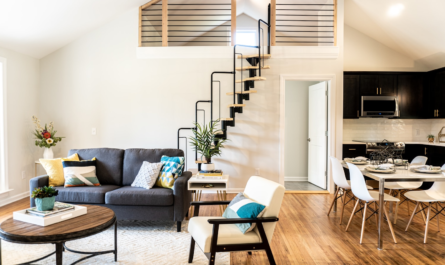
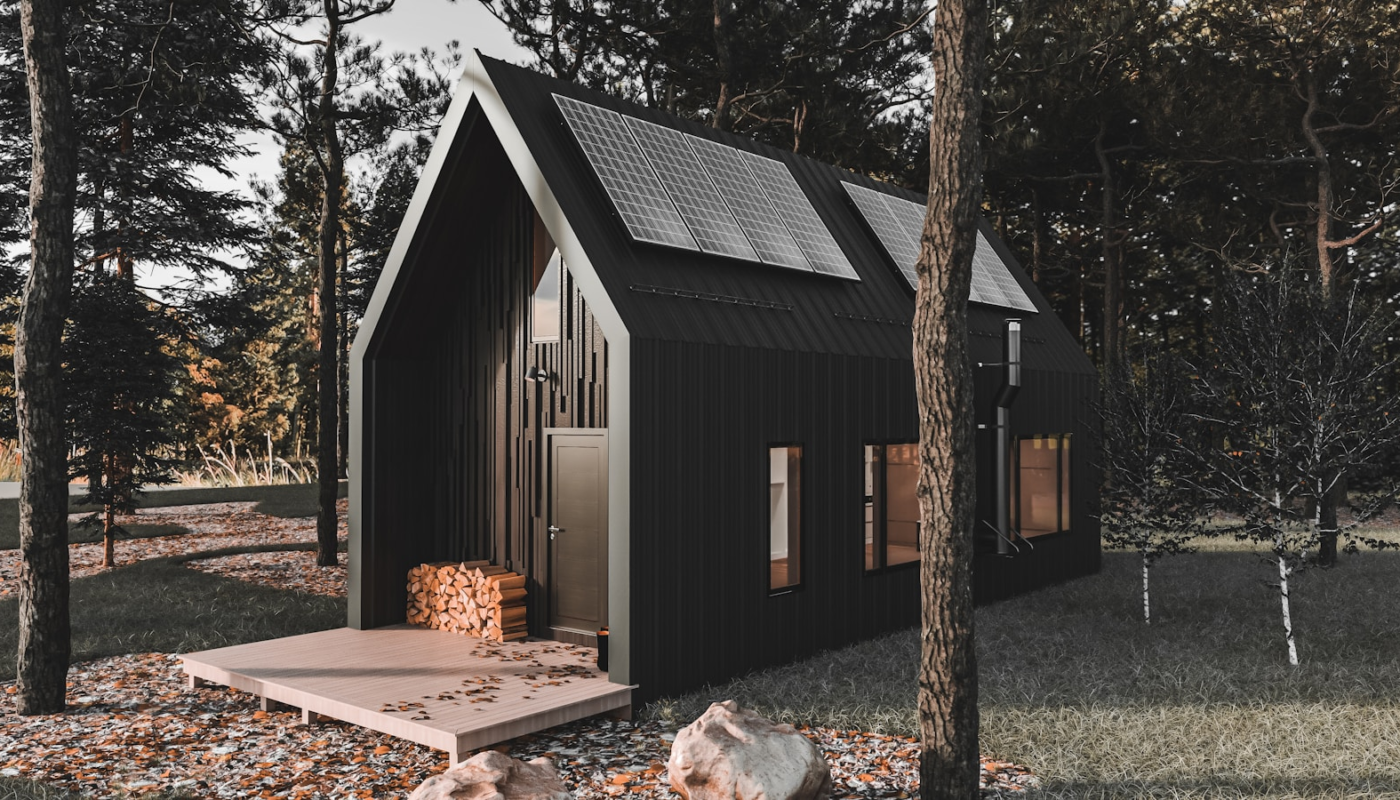
The tiny house movement is built around a simple idea: a smaller home can reduce purchase cost, utility use, maintenance, and the amount of space you need to furnish. But “tiny” does not automatically mean “affordable.” The real cost depends on land, zoning, permits, utilities, foundation or trailer requirements, financing, insurance, transportation, and whether the home can legally be used as a full-time residence.
For someone trying to own a home on a budget, a tiny house can be worth exploring—but only after checking the rules and total cost for the specific location. A $60,000 structure placed on expensive land with costly utility hookups can end up less affordable than a conventional small home or manufactured home.

What Counts as a Tiny House?
There is no single nationwide legal definition that applies to every tiny home. The term can describe several very different housing types:
- A small site-built house on a permanent foundation
- A tiny house on wheels
- A modular or prefabricated small home
- A manufactured home
- An accessory dwelling unit (ADU)
- A converted shed or cabin—where legally approved for residential occupancy
These categories can have different building codes, financing rules, insurance options, and zoning treatment. Never assume a structure advertised as a “tiny home” is approved as a legal dwelling where you want to place it.
Why Tiny Houses Appeal to Budget-Conscious Buyers
A smaller home can reduce several costs:
- Less floor area to purchase or build
- Fewer rooms to furnish
- Potentially lower heating and cooling demand
- Less exterior and interior maintenance
- Lower property taxes in some situations
- Fewer opportunities for unnecessary household accumulation
Those savings can be real, but they are location-specific. A tiny home does not remove the cost of land or basic infrastructure.
The Hidden Costs to Calculate First
| Cost | Why it matters |
|---|---|
| Land | Buying or leasing a legal site may be the largest cost. |
| Zoning and permits | The home may not be legal as a permanent residence everywhere. |
| Foundation/site work | Grading, concrete, anchoring, drainage and access can add thousands. |
| Utilities | Water, sewer/septic, electricity and internet connections can be expensive. |
| Transport | Factory-built or wheeled homes may require professional transport. |
| Insurance | Coverage depends on construction type and legal classification. |
| Financing | Some tiny homes do not qualify for standard mortgages. |
| Storage | Off-site storage can erase part of the space-saving benefit. |
Tiny House on Wheels vs. Permanent Foundation
A tiny house on wheels can provide mobility, but legal classification is important. A home that resembles an RV may be subject to rules about where and how long it can be occupied. A permanent-foundation tiny home may have clearer real-estate treatment but requires a legal lot, site work, and building approval.
Before buying either type, contact the local planning or building department and ask specifically about minimum dwelling size, ADU rules, permanent occupancy, setbacks, foundation requirements, utility connections, parking, and short-term versus long-term placement of wheeled units.
Tiny Homes vs. Manufactured Homes
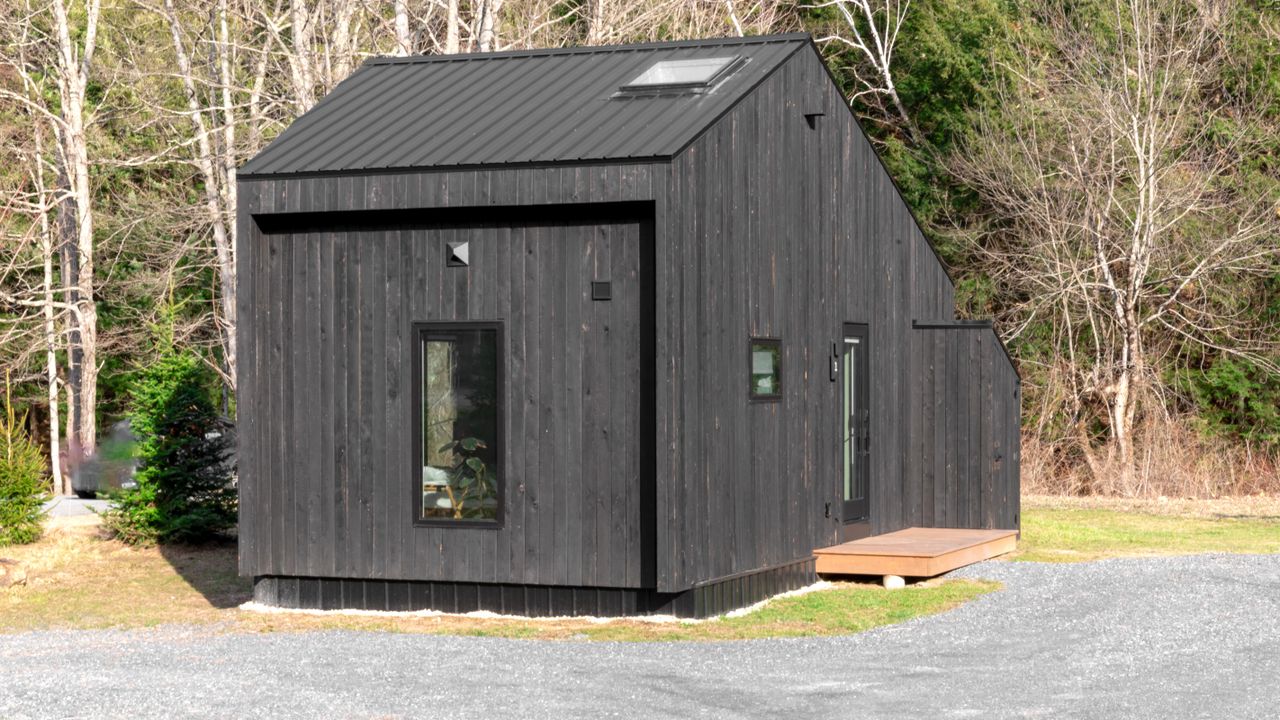
These terms are often confused. HUD regulates qualifying manufactured homes under federal Manufactured Home Construction and Safety Standards. HUD’s manufactured housing resources explain that manufactured homes built in the U.S. after June 15, 1976 must meet HUD standards and carry certification labels when they fall under that program.
A custom tiny house on wheels is not automatically a HUD-code manufactured home. That difference can affect financing, titling, placement, and consumer protections.
Can You Finance a Tiny House?
Sometimes, but the financing route depends on how the home is classified and whether land is included. Possibilities can include traditional mortgages for qualifying real property, manufactured-home financing for qualifying units, personal loans, builder financing, or cash purchase.
Personal loans often have different rates and repayment terms from mortgages, so a smaller purchase price can still produce a high monthly payment. Compare APR, fees, term, collateral, and total interest—not just the purchase price.
HUD also maintains information about Title I manufactured home financing for qualifying manufactured homes and lots. Verify current eligibility with approved lenders.
How to Compare a Tiny House With a Small Conventional Home
Use the same all-in framework: purchase price, land cost, closing/permit/site costs, monthly financing, taxes, insurance, utilities, maintenance, transportation/commute, and resale options.
A conventional 700-square-foot house with standard mortgage financing may be cheaper over time than a 250-square-foot custom tiny home financed with an expensive personal loan.
What About Resale Value?
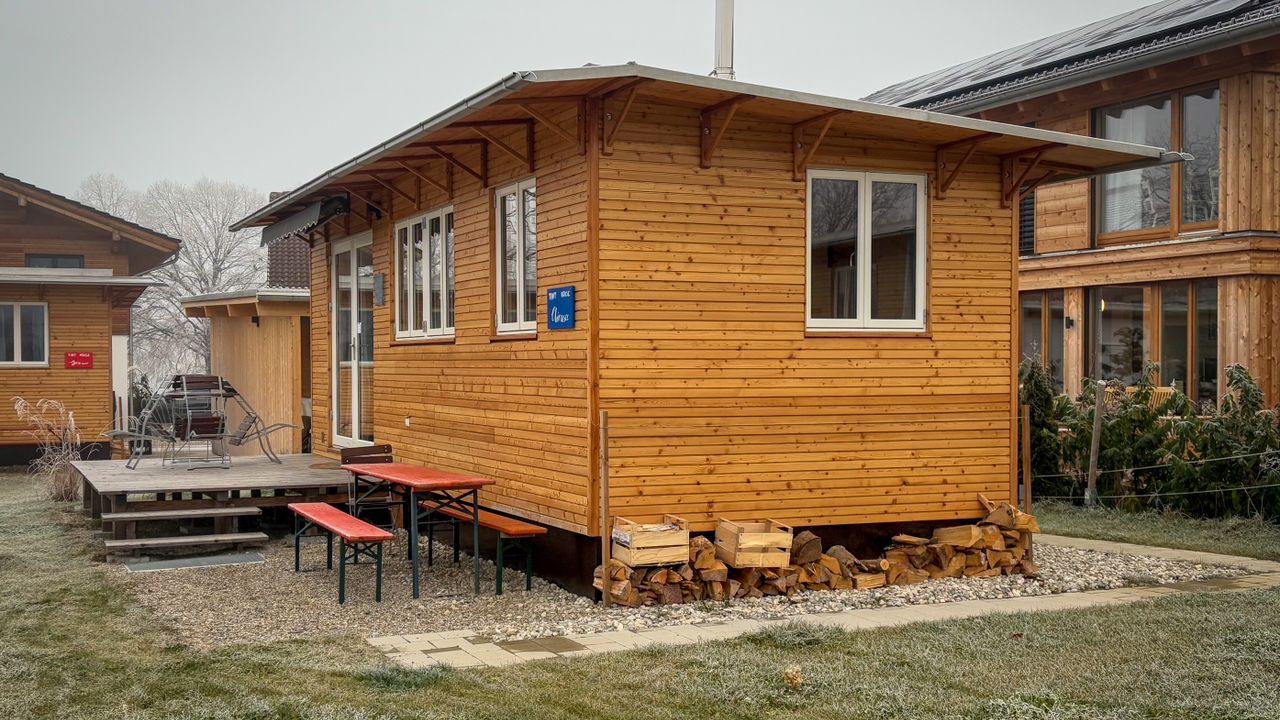
Do not assume every tiny house will appreciate like conventional real estate. Resale depends on land ownership, legal classification, build quality, local demand, and whether the home can be financed by a future buyer.
A tiny house on leased land may behave very differently from a small house permanently attached to owned real estate. Ask how the unit is titled and what comparable resale transactions exist in that market.
Who May Benefit Most From Tiny Living?
- One- or two-person households comfortable with compact space
- People who already own a legal site
- Households prioritizing lower maintenance
- ADU projects where local rules permit them
- People who can realistically reduce possessions rather than rent external storage
Families, people who work from home, people with mobility requirements, or anyone needing substantial storage should test the layout carefully.
Do a Tiny-House Due-Diligence Sequence Before Paying a Deposit
Do not start with the builder’s price. Start with the site. Contact the local planning or building department and describe the exact structure, foundation or trailer setup, intended occupancy, and address or parcel. Ask which code and zoning rules apply and whether the home can legally be occupied full time. Where possible, keep written responses or official references.
Next, obtain realistic quotes for the expensive items that sit outside the house itself: land or lot rent, site preparation, foundation or anchoring, delivery, water, sewer or septic, electricity, insurance, and any permit or impact fees. Then confirm how a lender would classify the property and whether the proposed loan can actually be used for that home and site.
Finally, read the purchase contract before paying a non-refundable deposit. Check what happens if permits are denied, delivery is delayed, the site cannot be approved, or financing falls through. A low advertised price is not useful if you discover later that the home cannot legally or affordably be placed where you planned.
Test Accessibility and Everyday Function Before Committing
A tiny house can be efficient on paper but difficult in daily life. If possible, spend time inside a similar layout before buying. Test whether you can cook, work, get dressed, use the bathroom, store groceries, make the bed, and move around without repeatedly shifting furniture.
Pay special attention to loft stairs or ladders, bathroom clearances, emergency exits, ventilation, heating and cooling, and whether the layout works if mobility changes. A sleeping loft that is comfortable today may be impractical after an injury or as household needs change. If the home will be shared, consider privacy, work schedules, noise, and storage for each person.
Also calculate whether the tiny layout creates outside costs. Renting a storage unit, maintaining a second workspace, or buying frequent takeout because the kitchen is difficult to use can reduce the financial benefit of the smaller home.
Questions to Ask Before Buying
- Can I legally live in this unit full time at the intended location?
- Who owns the land?
- How is the home titled?
- Which building standard applies?
- What permits are required?
- What will utilities cost to connect?
- Can I insure it?
- Can I finance it reasonably?
- How will I sell it later?
- What happens if the land lease ends?
Tiny House Budget Example
Instead of comparing only structure prices, build a project budget that includes the unit, land or lot lease, site preparation, utilities, permits, delivery, insurance, financing, and a reserve for unexpected project costs.
Connection to Minimal Living
A small home works best when the household has realistic storage habits. Our small-space living guide covers vertical storage, multi-use furniture, clear pathways, and hidden storage. Our minimalist lifestyle guide can help you decide whether reducing possessions fits your routine.
Frequently Asked Questions
Are tiny houses always cheaper than regular houses?
No. The structure may cost less, but land, utilities, permits, financing, transportation, and insurance can change the total substantially.
Can I put a tiny house in my backyard?
Maybe. Local ADU, zoning, setback, utility, and occupancy rules determine what is permitted. Check with the local planning/building authority before buying a unit.
Can I get a mortgage for a tiny house?
It depends on whether the home and land qualify as real property and meet lender/program requirements. Some buyers use manufactured-home financing or other loan types.
Is a tiny house the same as a manufactured home?
No. Some compact homes meet HUD manufactured-housing standards, while many tiny houses do not. Classification matters for codes, financing, and placement.
Is tiny living good for a low-income household?
It can reduce certain costs, but only when the legal site, financing, utilities, and lifestyle fit are affordable. Compare it with rentals, manufactured homes, condos, and smaller conventional homes.
Conclusion
The tiny house movement can offer a path to lower-cost, lower-maintenance living, but the home’s square footage is only one part of affordability. Check zoning first, calculate land and utility costs, understand the legal classification, and compare financing before paying a deposit.
A tiny house is a smart budget option when the entire project works—not merely when the structure has a low advertised price.