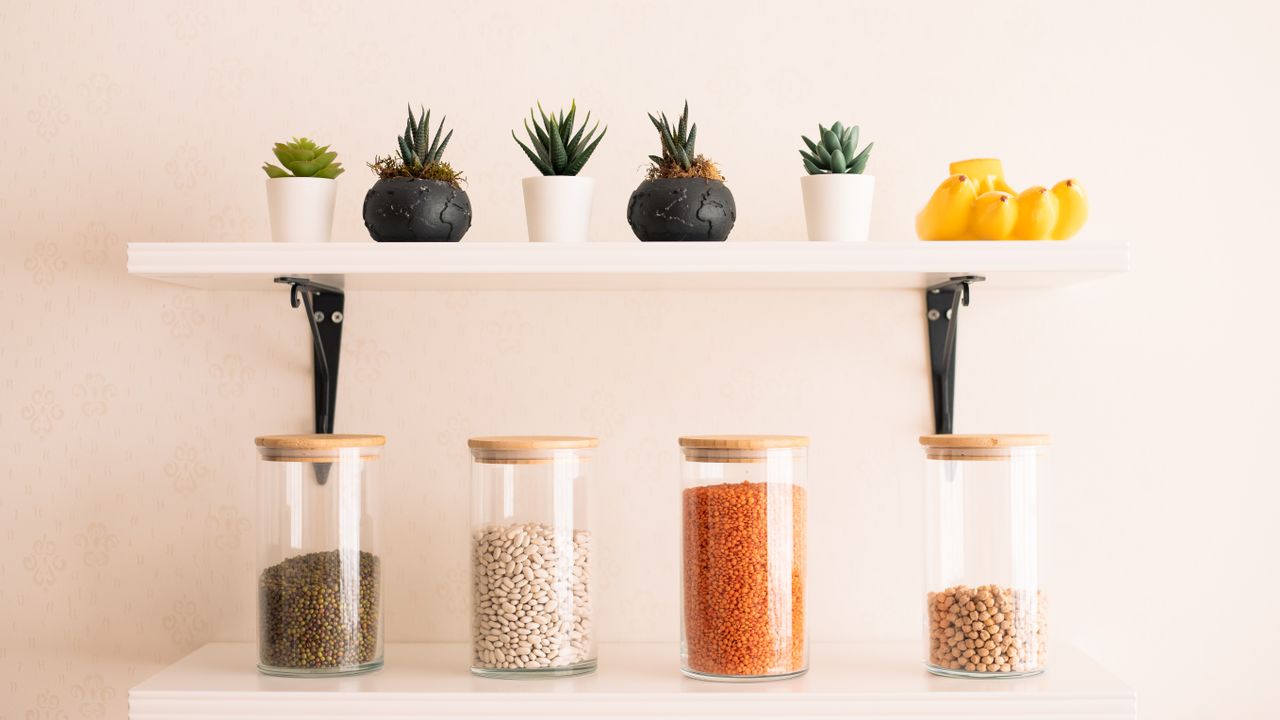

A minimalist lifestyle does not require an empty white apartment, a tiny wardrobe, or a rule that says you must own a certain number of things. At its most practical, minimalism is a way to reduce unnecessary possessions, commitments, spending, and digital noise so the things that matter to you are easier to see and manage.
For beginners in 2026, the best place to start is not a shopping list of minimalist products. Start by identifying what creates friction in your current life: cluttered surfaces, duplicate purchases, too many notifications, an overbooked schedule, or spending that does not match your priorities. Then simplify one area at a time.

What Minimalism Means in Everyday Life
Minimalism is intentional reduction. You keep what is useful, meaningful, or genuinely enjoyable and reduce what adds cost, maintenance, distraction, or obligation without enough value in return.
That can look different for different people. A parent may keep a large amount of children’s equipment because it is useful. A hobbyist may own specialized tools. Someone who works from home may need technology that another person does not. The point is not the number of possessions; it is whether your possessions and commitments support the life you are trying to live.
Minimalism Is Not the Same as Decluttering
Decluttering is an action. Minimalism is a decision framework. You can declutter a closet once and fill it again if your buying habits do not change. A minimalist approach asks why the clutter appeared, what you want the space to do, and what rule will prevent the same problem from returning.
If you want a practical sorting process first, use our step-by-step beginner decluttering guide.
Step 1: Define What You Want More Of
“Own less” is not a very motivating goal by itself. Connect simplification to something positive. You might want:
- Less time cleaning and organizing
- More room in a small apartment
- Lower discretionary spending
- A calmer work area
- Fewer digital interruptions
- More time for family, study, exercise, or hobbies
- Less decision-making in daily routines
Write down two or three outcomes. When deciding what to remove or what not to buy, ask whether the choice supports those outcomes.
Step 2: Start With One Easy Physical Space
Choose a low-emotion area such as a bathroom shelf, kitchen drawer, entryway, desk, or one clothing category. Sort items into keep, relocate, donate/sell, and recycle/dispose.
Do not begin by buying matching storage boxes. Storage products can hide excess possessions without reducing them. Decide what you are keeping first, then use containers only where they solve a specific problem.

Step 3: Create a Purchase Pause
Minimalism becomes much easier when fewer unnecessary items enter the home. Try a waiting period for non-essential purchases—24 hours for smaller purchases and several days for larger ones.
Before buying, ask:
- Do I already own something that performs this function?
- Where will this item live?
- How often will I realistically use it?
- What maintenance, accessories, subscriptions, or storage will it require?
- Would borrowing, renting, repairing, or buying used make more sense?
The U.S. Environmental Protection Agency’s reducing and reusing guidance emphasizes preventing waste before it is created, including maintaining and repairing products and considering reusable or secondhand options.
Step 4: Simplify Your Clothing
A minimalist wardrobe does not have to be neutral or tiny. The useful goal is to make it easy to get dressed while reducing clothes you never wear.
Start by identifying the clothes you reach for repeatedly. Those pieces reveal your real preferences better than an aspirational shopping list.
- Keep items that fit your current body and routine.
- Set aside repairs with a deadline.
- Group duplicates so you can see how many you own.
- Notice colors and shapes that combine easily.
- Replace worn essentials only when necessary.
If you want a more structured system, our capsule wardrobe guide provides a step-by-step plan.

Step 5: Reduce Digital Clutter
Physical possessions are only one source of clutter. Notifications, email, unused apps, open browser tabs, duplicate photos, and constant social feeds can make attention feel fragmented.
Try a simple digital reset:
- Remove apps you no longer use.
- Turn off non-essential notifications.
- Unsubscribe from promotional emails you consistently delete.
- Create one location for important documents and back them up.
- Move distracting apps off the first home screen.
- Choose specific times for messages and social media if constant checking interrupts work.
For a deeper plan, see our digital minimalism guide.
Step 6: Simplify Your Schedule
A full calendar can create the same feeling as a full room. Review recurring commitments and ask whether each still supports your responsibilities or priorities.
You do not need to remove every optional activity. Instead, protect enough uncommitted time for rest, household tasks, relationships, and unexpected events. A schedule with no margin can become fragile even when every individual activity is worthwhile.
Step 7: Practice Financial Minimalism Carefully
Financial minimalism means spending intentionally, not refusing every purchase. Start with recurring expenses and purchases that do not deliver enough value.
- Review subscriptions every few months.
- Reduce duplicate services.
- Plan purchases instead of shopping for entertainment by default.
- Prioritize an emergency fund and important bills.
- Use a simple budget you can maintain.
Our monthly budgeting guide can help you connect spending with practical goals.
Step 8: Build a Low-Maintenance Home System
The easiest organizing systems require very little effort to reset. Store items close to where they are used. Keep everyday objects at comfortable reach. Use labels only when they reduce confusion. Leave some storage capacity empty so the system has room to absorb normal life.

Step 9: Use a One-In Rule Selectively
“One in, one out” can be helpful for categories with clear limits, such as shoes, mugs, jackets, or hobby equipment. It is not necessary for everything. The goal is to notice accumulation before storage becomes overloaded.
A better rule for some categories is “one in only when there is a defined need.” That prevents getting rid of a useful item merely to justify a new purchase.
Step 10: Repair and Maintain Before Replacing
Minimalism and budget-conscious living overlap when maintaining an item extends its useful life. Basic repair, cleaning, replacement parts, and proper storage can reduce waste and save money.
However, do not keep unsafe or badly damaged products just because replacing them feels “non-minimalist.” Safety and function come first.
Minimalism for a Small Apartment
In compact housing, every large object has an opportunity cost. Prioritize furniture with the correct scale, clear walking paths, and storage that supports daily routines. Do not fill every empty wall or corner simply because storage can fit there.
See our small apartment space hacks for layout, vertical storage, lighting, and multi-use furniture ideas.
What Minimalism Should Not Become
- A competition: owning fewer things than someone else is not the goal.
- A shopping aesthetic: replacing functional possessions with expensive “minimalist” versions can increase cost and waste.
- A reason to discard meaningful items: sentimental possessions can have genuine value.
- A rigid identity: your needs will change with work, health, children, housing, and hobbies.
- A substitute for solving financial problems: owning less can reduce some expenses, but it cannot fix inadequate income or unaffordable housing by itself.
A 14-Day Beginner Minimalism Plan
| Days | Focus |
|---|---|
| 1–2 | Define three reasons you want to simplify |
| 3–4 | Declutter one easy physical area |
| 5–6 | Review wardrobe and duplicates |
| 7 | Take donations/recycling out of the home |
| 8–9 | Remove unused apps and reduce notifications |
| 10 | Review recurring subscriptions |
| 11 | Create a purchase-pause rule |
| 12 | Simplify one recurring household routine |
| 13 | Review calendar commitments |
| 14 | Choose one weekly maintenance habit |
Frequently Asked Questions
How many things should a minimalist own?
There is no required number. Keep the possessions that are useful or meaningful within the space, budget, and maintenance capacity you have.
Do I need to throw away most of my belongings?
No. Donate, sell, reuse, repair, or recycle where appropriate. Start with obvious excess and make difficult decisions gradually.
Is minimalism good for saving money?
It can help if it reduces impulse buying, duplicate purchases, unused subscriptions, and storage costs. It is not a guarantee of financial security and should be combined with budgeting and savings habits.
Can families practice minimalism?
Yes. Family minimalism usually means reducing unnecessary duplication and creating simple systems—not forcing every person to own very little. Respect each family member’s belongings and needs.
How do I avoid rebuying things I decluttered?
Declutter slowly, keep uncertain items in a temporary review box when appropriate, and track the reasons you are removing something. The goal is thoughtful reduction, not speed.
Conclusion
A beginner minimalist lifestyle works best when it is practical and personal. Define what you want more room for, simplify one area at a time, reduce unnecessary incoming purchases, and create systems that are easy to maintain.
You do not need a perfect home or a dramatic purge. Small changes in what you own, buy, schedule, and allow to interrupt your attention can create a simpler life without turning minimalism into another demanding project.