A clean home becomes difficult to maintain when cleaning is treated as an occasional marathon. Dishes pile up, laundry spreads across rooms, surfaces collect items, and suddenly the weekend becomes a long catch-up session. A minimalist cleaning routine works differently: it keeps the number of daily tasks small and uses short resets before mess becomes a larger project.
This guide explains how to build a 15-minute daily cleaning routine plus a simple weekly schedule. It is not about keeping a perfect home or cleaning every surface every day. The goal is to maintain basic hygiene, clear functional spaces, and create a repeatable system that fits ordinary work and family life.
If clutter is the main obstacle rather than cleaning itself, start with our beginner decluttering guide. Cleaning becomes easier when surfaces and floors are not acting as storage.
What Makes a Cleaning Routine Minimalist?
A minimalist routine reduces unnecessary steps, products, and decisions. It focuses on the tasks that make the biggest difference to safety, hygiene, and daily function.
The core principles
- Clean small amounts frequently.
- Keep cleaning tools easy to access.
- Use fewer multipurpose products where safe and appropriate.
- Reset surfaces before deep cleaning.
- Give every routine a clear stopping point.
- Accept that different homes need different frequencies.
Step 1: Define Your Daily “Minimum Clean”
Choose a short list of tasks that keep the home functional even on a busy day.
A practical minimum might include
- Wash or load dishes.
- Wipe the kitchen counter.
- Put dirty clothes in the hamper.
- Clear obvious floor clutter.
- Reset the bathroom sink.
- Take out trash if full.
These tasks should be small enough that you can finish them even when you do not have energy for a full cleaning session.
Step 2: Set a 15-Minute Timer
A timer creates a clear end. You are not cleaning “until the house is done.” You are improving the highest-impact areas for 15 focused minutes.
Start in the most-used room and work in the same order each day. A predictable route reduces decision fatigue.
Step 3: Use a Reset Order
A useful order is:
- Trash
- Dishes
- Laundry
- Items out of place
- Quick surface wipe
- Floor spot-clean if needed
This order removes large visual mess before detail cleaning.
Step 4: Keep Cleaning Supplies Simple
You do not need a specialized product for every surface. Follow manufacturer instructions for your home’s materials and use only products appropriate to the task.
A basic household may need:
- Dish soap
- General-purpose cleaner suitable for relevant surfaces
- Bathroom cleaner
- Glass cleaner if needed
- Microfiber or washable cloths
- Brush/sponge
- Broom, vacuum, or mop based on flooring
Never mix cleaning chemicals unless product labels explicitly state that it is safe. For example, mixing bleach with ammonia or acids can create dangerous gases.
Step 5: Store Supplies Near the Point of Use
A routine is easier when tools are not hidden in a distant closet. You might keep a small bathroom cloth and appropriate cleaner in a child-safe cabinet there while keeping kitchen supplies under the sink if safe.
Always store chemicals securely away from children and pets and follow product labels.
Step 6: Clean the Kitchen Every Day
The kitchen benefits from daily attention because food residue and dishes can become hygiene problems.
Daily kitchen reset
- Wash/load dishes.
- Wipe food-prep surfaces.
- Clear the sink.
- Put food away safely.
- Sweep obvious crumbs.
- Check trash.
FoodSafety.gov recommends proper storage and regular refrigerator checks to reduce food waste and improve safety. Its food safety and waste guidance is useful for kitchen routines.
Step 7: Use a Two-Minute Bathroom Reset
Bathrooms become easier to deep clean when moisture, products, towels, and toothpaste residue are handled daily.
After the last evening use:
- Return products.
- Hang towels.
- Wipe obvious sink splashes.
- Put clothing in the hamper.
- Check toilet paper and trash.
Our minimalist bathroom organization guide can help reduce the products competing for counter space.
Step 8: Tie Laundry to a Simple Trigger
A cleaning routine fails when laundry is everywhere. Use a hamper-based trigger and finish each load completely.
See our simpler laundry routine for a full system.
Step 9: Assign One Weekly Focus Area
Daily resets handle surface mess. Weekly focus tasks handle deeper maintenance.
| Day | Optional focus |
|---|---|
| Monday | Bathroom deeper clean |
| Tuesday | Floors |
| Wednesday | Dust/high-touch surfaces |
| Thursday | Kitchen appliances/fridge check |
| Friday | Bedroom and linens |
| Weekend | One rotating monthly task or rest |
You do not need to clean every category every week. Adjust based on household size, pets, allergies, climate, and use.
Step 10: Use “Clean as You Go” Selectively
Cleaning as you go is useful when it saves future effort, but it should not interrupt every activity.
High-value examples
- Put ingredients away while food cooks.
- Rinse cookware before residue dries.
- Wipe a spill immediately.
- Return an item when leaving a room.
Do not turn every moment into a cleaning task. The routine should support life, not dominate it.
Step 11: Reduce the Number of Objects You Have to Clean Around
Decor and countertop appliances can be useful, but every item left on a surface increases wiping and moving time.
Keep frequently used items out and store low-frequency items where practical. Empty surfaces do not have to look sterile; they simply make cleaning faster.
Step 12: Make Beds Simple
If making the bed requires arranging ten pillows and several decorative blankets, simplify the setup. Use enough bedding for comfort and climate without creating unnecessary daily work.
Step 13: Create a Shoe and Bag Landing Zone
A clear entry routine prevents outdoor items from spreading through the home.
Use the hooks, shelf, mat, or furniture you already own before buying an entryway organizer.
Step 14: Do a Five-Minute Family Reset
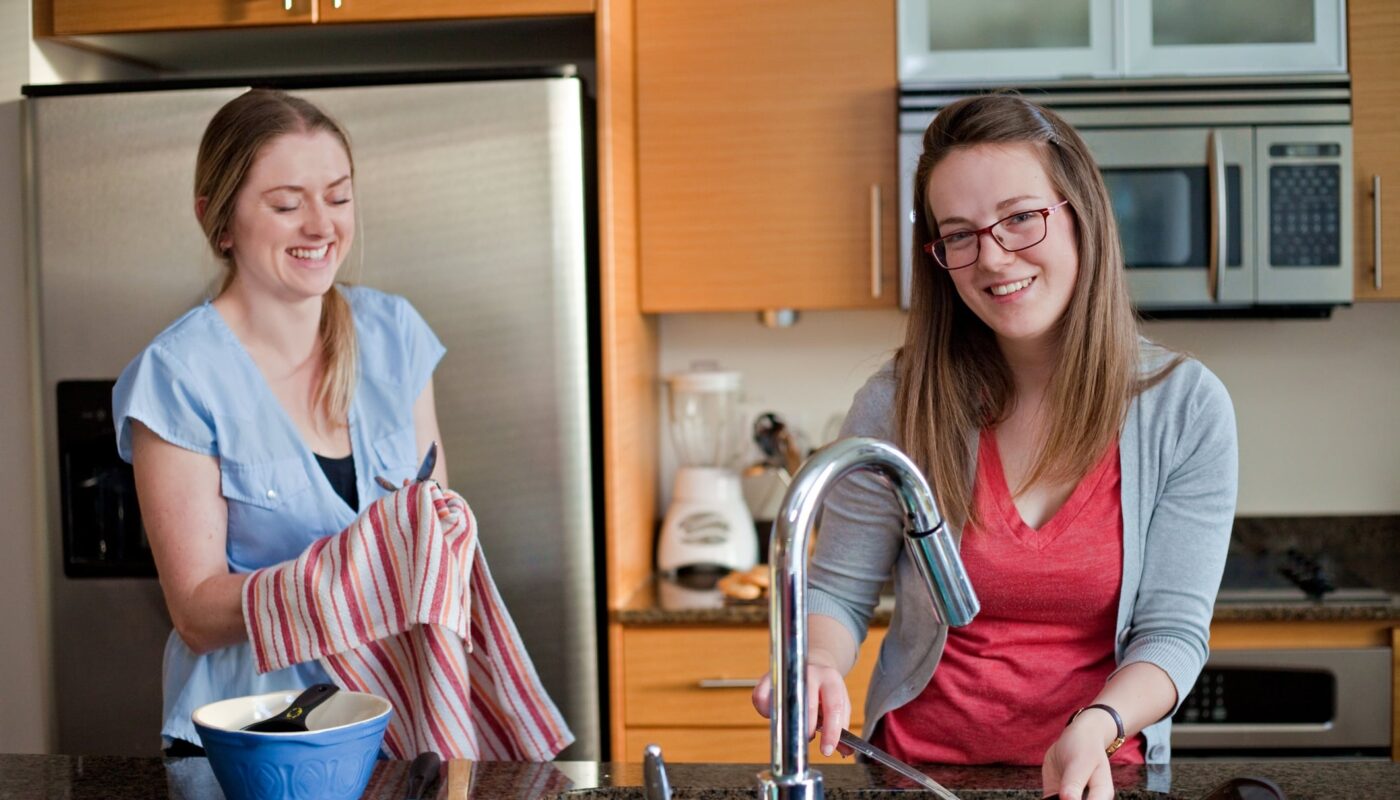
In a shared household, cleaning should not silently become one person’s responsibility. A five-minute group reset can handle toys, dishes, laundry, and common-area items quickly.
Assign age-appropriate responsibilities and avoid expecting children to handle chemicals or unsafe tasks.
Step 15: Rotate Monthly Deep-Clean Tasks
Not every task belongs weekly. Keep a short rotating list:
- Clean refrigerator shelves.
- Wash shower curtain or liner if appropriate.
- Vacuum under movable furniture.
- Clean vents and filters according to manufacturer instructions.
- Wipe baseboards in high-use areas.
- Review cleaning-supply inventory.
Doing one or two per month prevents an exhausting “deep clean the whole house” day.
What About Disinfecting?
Cleaning and disinfecting are not identical. For routine household cleaning, follow public-health guidance and product instructions for situations that require disinfection. Do not use strong disinfectants on every surface simply because they feel more powerful.
The U.S. Environmental Protection Agency provides information about disinfectant products and safe use. Always read the label and follow contact-time and ventilation instructions.
How to Clean When You Are Overwhelmed
Use a five-item priority:
- Remove trash.
- Handle dishes.
- Collect laundry.
- Clear one surface.
- Clear a safe walking path.
Then stop if necessary. A functional improvement is better than abandoning the task because the whole home cannot be completed.
Minimal Cleaning Kit Example
| Tool | Main use |
|---|---|
| Washable cloths | General wiping |
| Appropriate multipurpose cleaner | Compatible hard surfaces |
| Dish soap | Dishes and suitable cleaning tasks |
| Bathroom cleaner | Bathroom surfaces |
| Broom/vacuum | Floors |
| Mop | Compatible hard floors |
How to Avoid Buying Too Many Cleaning Products
Before purchasing another product:
- Check what you already have.
- Read whether an existing product is suitable.
- Use one product fully before opening duplicates.
- Avoid buying tools for one tiny task unless they save meaningful time.
The U.S. EPA’s reduce-and-reuse guidance supports buying only what is needed and using products efficiently.
How to Adjust the Routine for Different Homes
A studio apartment with one person may need a very different rhythm from a home with children, pets, or multiple bathrooms. Keep the same basic framework—daily reset, weekly focus, monthly rotation—but scale the frequency. High-traffic floors may need more attention, while a rarely used guest room may need much less. The most sustainable routine is the one matched to actual use rather than a rigid schedule copied from someone else.
Common Cleaning Routine Mistakes
- Waiting until the home is very messy.
- Trying to deep clean everything every weekend.
- Buying products instead of simplifying the routine.
- Starting too many rooms at once.
- Not finishing laundry.
- Leaving dishes overnight repeatedly.
- Mixing cleaning chemicals.
- Setting a standard that no one in the household can sustain.
15-Minute Daily Reset Checklist
- Set timer.
- Collect trash.
- Handle dishes.
- Collect laundry.
- Return out-of-place items.
- Wipe main kitchen surface.
- Reset bathroom sink.
- Clear walking paths.
- Stop after the planned time unless you choose to continue.
Frequently Asked Questions
Is 15 minutes really enough?
It may not fully clean a home, but a daily 15-minute reset can prevent surface mess from building. Deeper tasks can be rotated weekly.
Should I clean one room per day?
You can, but it is not required. Many people find a daily whole-home reset plus one weekly focus area easier.
How many cleaning products do I need?
Only enough to clean your home’s materials safely and effectively. Follow product and manufacturer instructions.
What if I miss several days?
Restart with the highest-impact tasks rather than trying to “make up” every missed routine.
How do I get family members to help?
Use specific, age-appropriate responsibilities and short shared resets instead of vague requests to “clean the house.”
Conclusion: Keep the Home Recoverable
A minimalist cleaning routine is successful when your home can return to a functional baseline quickly. Use a short daily reset, one or two weekly focus tasks, simple supplies, and storage systems that do not make cleaning harder.
The goal is not perfection. It is a home where dishes, laundry, surfaces, and floors do not reach crisis level before anyone acts. Fifteen consistent minutes can be more useful than an exhausting cleaning marathon you dread and postpone.