A kitchen can feel crowded even when it has enough cabinets, drawers, and shelves. The problem is often not a lack of storage but a lack of clear zones, visibility, and simple habits. Learning how to organize your kitchen without buying extra stuff can make cooking easier, reduce food waste, and help you avoid spending money on organizers you may not actually need.
This guide focuses on practical changes you can make with the space and household items you already have. The goal is not to create a showroom-perfect kitchen. It is to build a kitchen that is easier to use, easier to clean, and easier to maintain every day.
Start With a No-Spend Kitchen Reset
Before moving anything, give yourself a clean starting point. Work one small area at a time so the project does not become overwhelming. A single drawer, one shelf, or one section of the countertop is enough for the first round.
Use a simple keep, move, remove method
- Keep: items you use regularly and that belong in the kitchen.
- Move: items that are useful but belong in another room or a less convenient storage area.
- Remove: broken items, obvious duplicates you do not use, expired food, and packaging that no longer serves a purpose.
Be realistic rather than aggressive. You do not need to get rid of every occasional-use tool. The point is to protect the most convenient spaces for the things you use most.
If the rest of your home also feels crowded, our beginner-friendly decluttering guide provides a room-by-room approach that works well alongside this kitchen reset.
Create Kitchen Zones Based on What You Actually Do
Professional kitchens are efficient because related tasks happen in predictable places. You can use the same idea at home without changing the layout. Think about the steps you repeat every day and keep the tools for those steps close together.
Useful zones for most home kitchens
- Preparation zone: cutting board, knives, mixing bowls, measuring tools.
- Cooking zone: pots, pans, spatulas, oven mitts, cooking oils and frequently used seasonings.
- Cleaning zone: dish soap, towels, sponges and dishwasher supplies.
- Breakfast or beverage zone: mugs, coffee or tea, cereal and other morning staples.
- Food-storage zone: reusable containers, wraps, bags and lunch supplies.
Do not worry if your kitchen is small. A zone does not need its own cabinet. It can be half a drawer, one shelf, or a small section of countertop. What matters is that items used together are stored together.
For compact spaces, see our small-apartment space hacks for additional ways to make limited storage feel more usable.
Put Everyday Items in the Easiest-to-Reach Places
The most valuable kitchen storage is the area between roughly waist and eye level because it is easy to reach without bending, stretching, or moving other objects. Use that prime space for everyday dishes, cooking tools, staples, and appliances you genuinely use.
Use frequency, not appearance, to decide placement
A beautiful serving platter used twice a year does not need the same access as the bowl you use every morning. Move occasional items higher, lower, or farther back. Bring everyday items forward.
This one change can make a kitchen feel more organized immediately because you stop digging through rarely used items during normal routines.
Make Cabinets Easier to See Without Buying Organizers
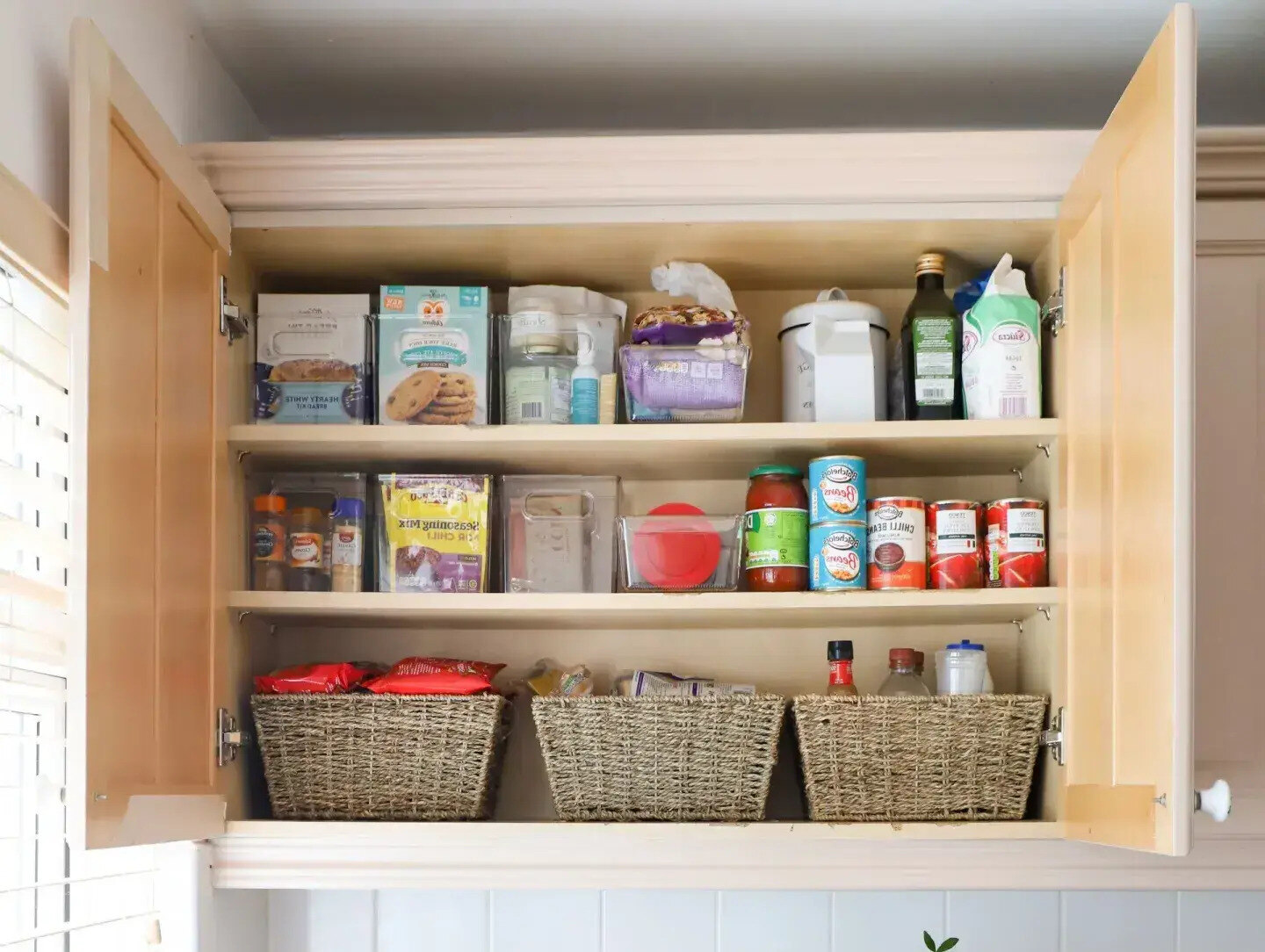
Cabinets often become frustrating because similar items are mixed at different depths. Start by grouping like with like. Keep baking supplies together, canned food together, breakfast items together, and so on.
Use height and depth intelligently
- Place taller packages behind shorter ones when labels will still remain visible.
- Keep duplicate pantry items together so you know what you already own.
- Stack only items that are stable and easy to separate.
- Do not fill every inch of shelf space; leave enough room to remove items without causing an avalanche.
Empty shoe boxes, sturdy delivery boxes, clean jars, trays, or baskets you already own can function as simple category dividers. Use them only when they genuinely improve access. A container that hides what you own can create more waste rather than less.
Organize Drawers With What You Already Have
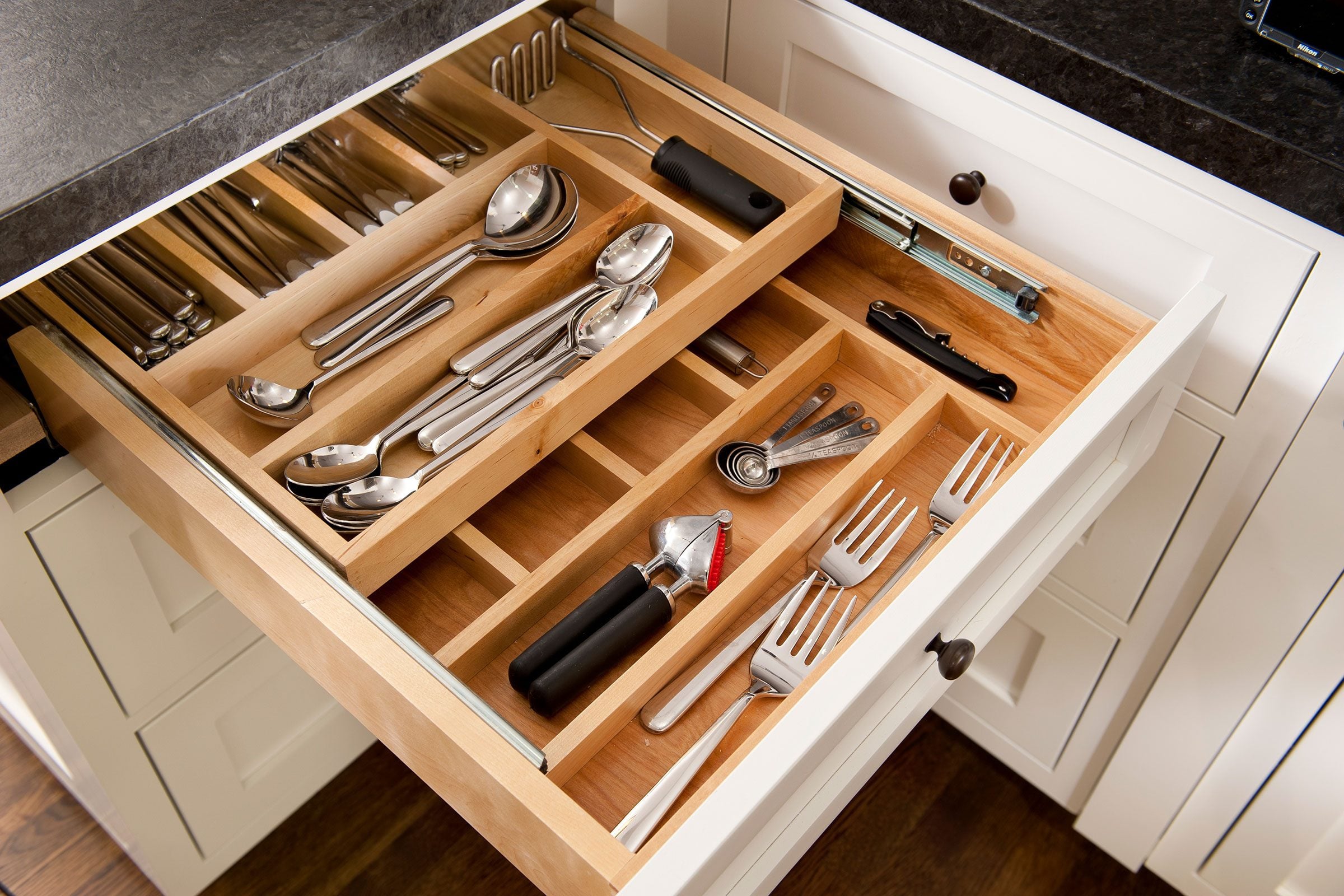
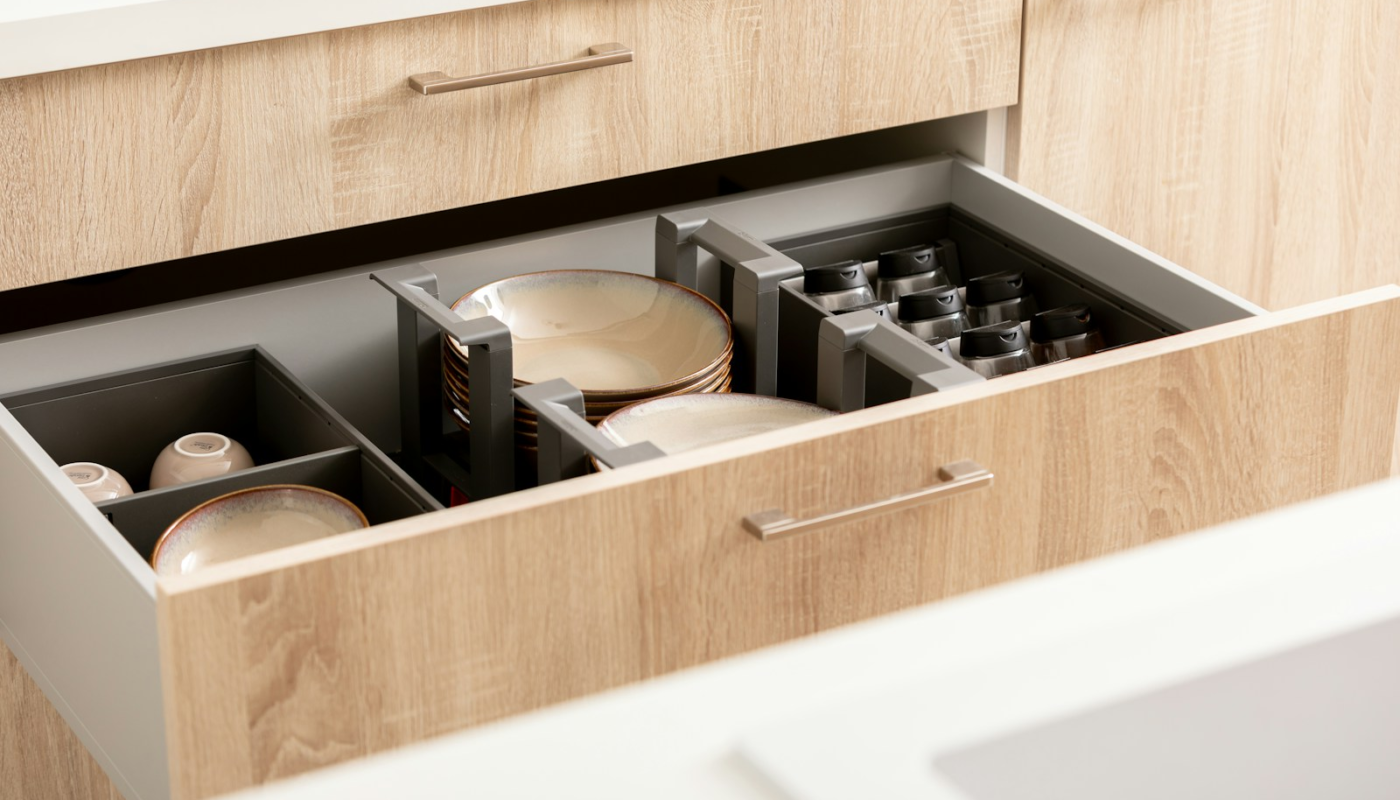
A drawer does not need a new plastic insert to be functional. First remove items that do not belong there. Then group the remaining tools by purpose and size.
Practical no-cost drawer ideas
- Use a clean small box to keep packets or small tools from spreading across the drawer.
- Keep sharp knives protected and separated from loose utensils.
- Store the tools you use every day at the front.
- Move specialty gadgets to a less convenient drawer if they are used only occasionally.
- Do not stack so many items that you must empty the drawer to find one tool.
The goal is quick retrieval. If you can open a drawer and immediately see what you need, the system is working.
Keep Countertops Focused on Daily Work
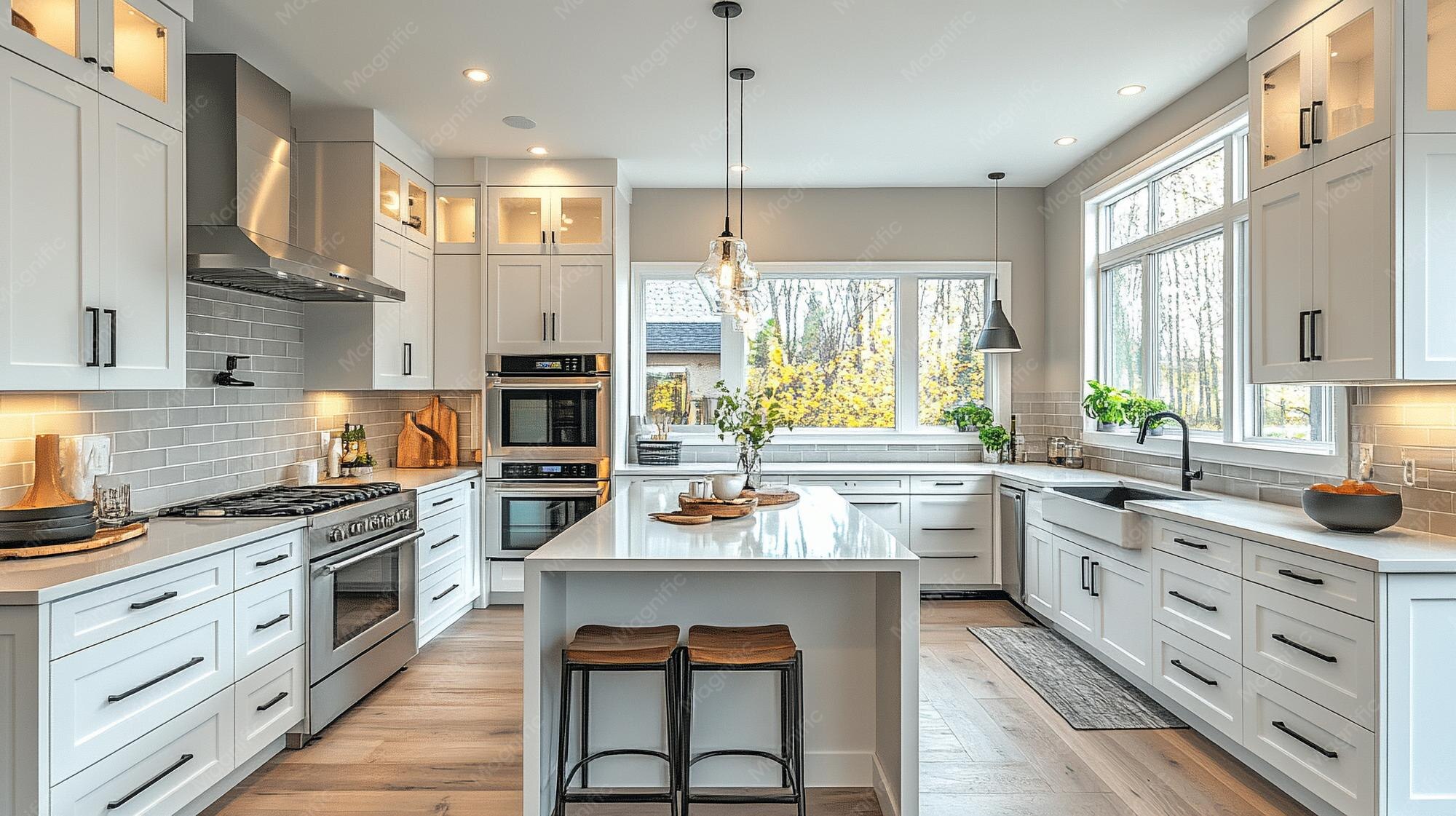
Counter space is working space. When it becomes long-term storage, food preparation and cleaning become harder. Look at every item on your counter and ask whether you use it often enough to justify the space it occupies.
A coffee maker used every morning may deserve a permanent place. An appliance used once a month probably does not. Moving a few low-use items into cabinets can create a surprisingly large work surface without changing the room.
Try the one-minute reset
At the end of cooking or before bed, spend about one minute returning stray items to their zones, wiping the main preparation area, and checking that tomorrow’s essentials are easy to reach. A tiny daily reset is usually easier to sustain than a large weekly reorganization.
Organize the Pantry to Reduce Food Waste
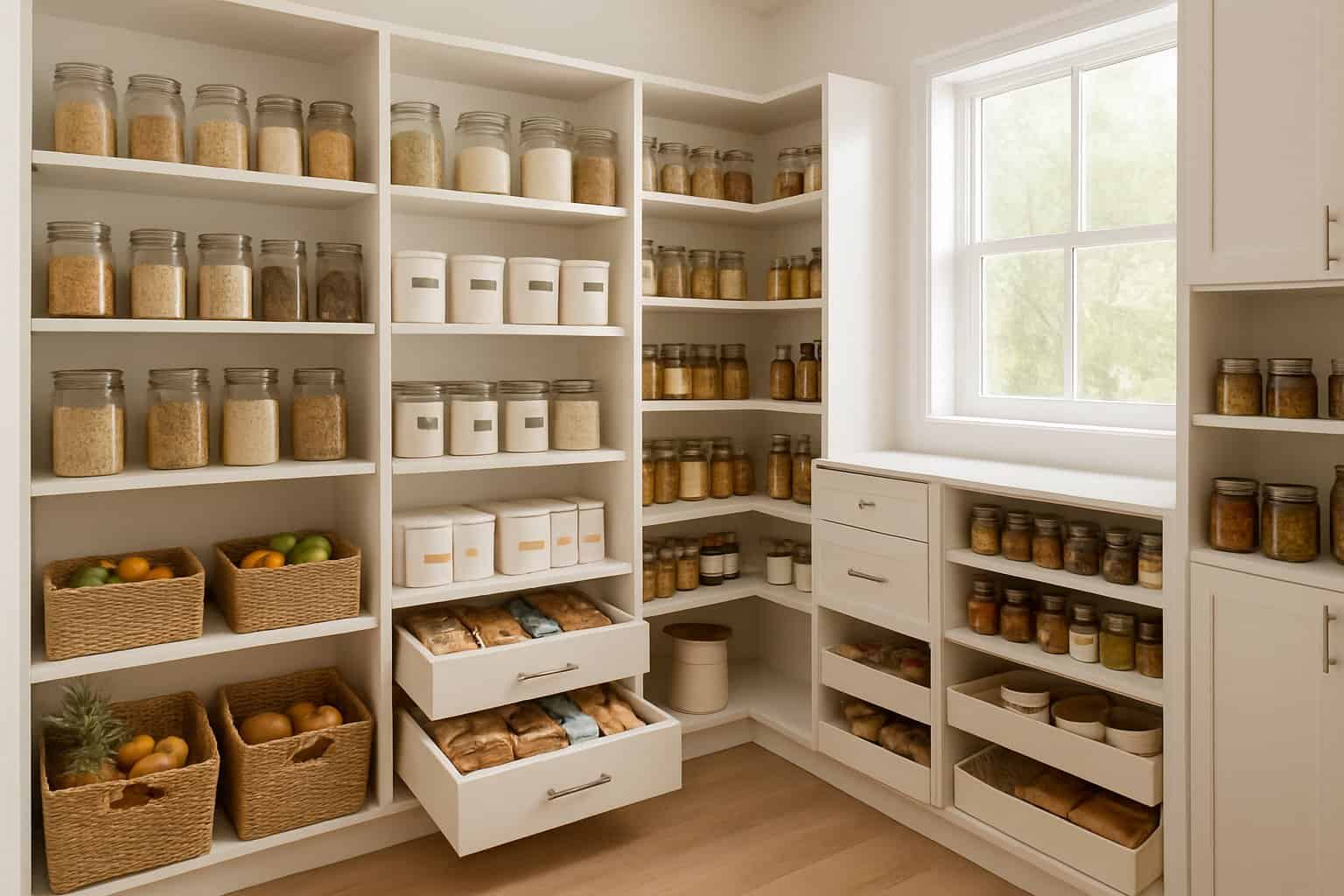
A practical pantry makes food visible before it expires. Put older products in front when appropriate and newer purchases behind them. This simple rotation can help you use what you already bought before opening another package.
For food-safety questions, rely on authoritative guidance rather than guessing. The U.S. government’s FoodKeeper resource helps consumers understand storage times for many foods, while the cold food storage charts provide refrigerator and freezer guidance.
Build a quick pantry inventory habit
Before grocery shopping, scan the pantry, refrigerator, and freezer. Add meals to your plan that use items already open or approaching their best-use window. This reduces duplicate purchases and can lower grocery costs without requiring complicated spreadsheets.
You can pair this system with our guide to saving money on groceries once that shopping routine is in place.
Use Vertical Space Carefully
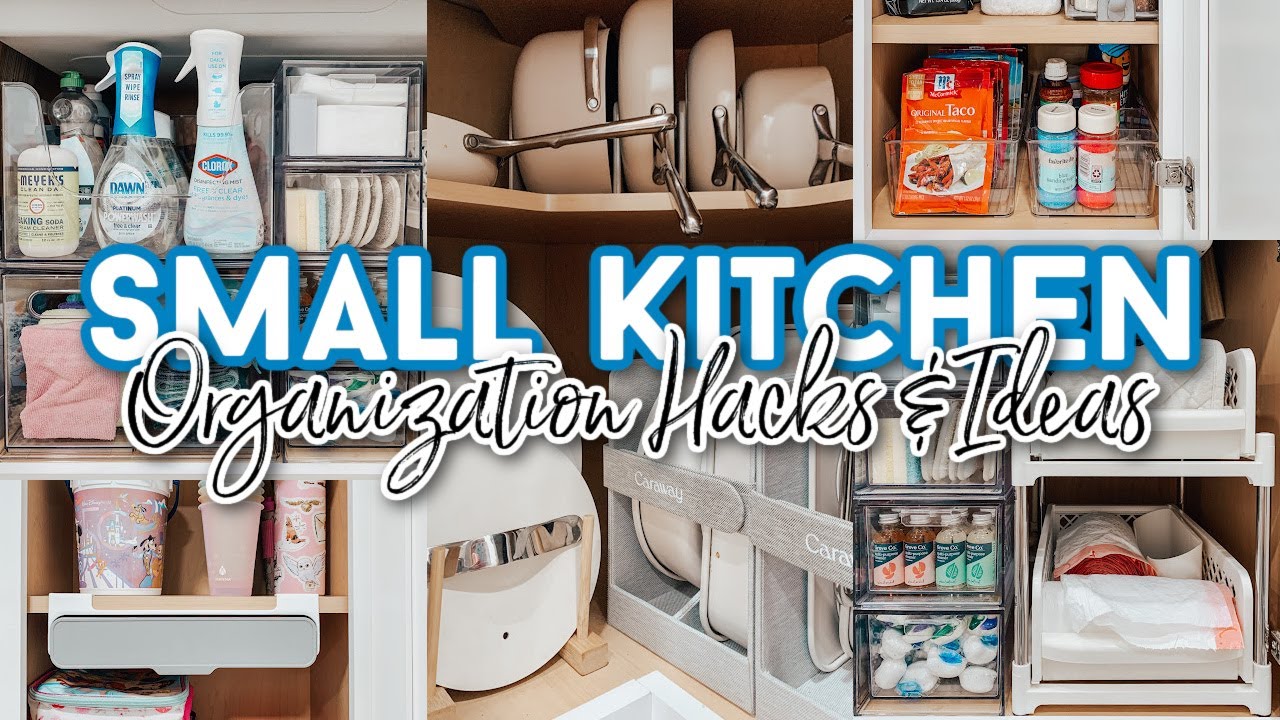
Vertical space is valuable, but more stacking is not always better. Heavy or fragile items should stay in safe, stable locations. Frequently used items should remain within comfortable reach.
Safe ways to use height
- Stack plates and bowls only to a height you can lift safely.
- Store lightweight, rarely used items on higher shelves.
- Avoid placing heavy appliances overhead.
- Keep children’s items at appropriate heights if children use the kitchen independently.
- Do not block vents, electrical equipment, or access to utilities.
If reaching an item requires an unsafe stretch or standing on an unstable chair, that is not efficient organization. Safety matters more than maximizing every inch.
Repurpose Household Items Selectively
Repurposing can save money, but not every container belongs in food storage. Use clean, suitable household items for grouping sealed packages or non-food tools. For direct food contact, use containers intended and safe for that purpose.
Good repurposing examples
- A sturdy box can group snack packets.
- A tray can hold oils or condiments and make cleanup easier.
- A clean basket can group dish towels.
- A jar can hold non-food items such as clips or reusable straws.
Avoid turning the kitchen into a collection of containers simply because they are free. Keep only what solves a real storage problem.
A Practical 30-Minute Kitchen Organization Plan
If the kitchen feels overwhelming, use this short plan instead of trying to reorganize everything at once.
- Minutes 1–5: clear obvious trash, expired products, and items that belong elsewhere.
- Minutes 6–10: clear the main countertop and return daily tools to logical places.
- Minutes 11–15: organize one frequently used drawer.
- Minutes 16–20: group one pantry or cabinet shelf by category.
- Minutes 21–25: move rarely used items out of prime storage locations.
- Minutes 26–30: wipe surfaces and check whether the new arrangement makes your normal routine easier.
You can repeat this 30-minute process on another area next week. Slow improvements are easier to maintain than a one-day overhaul that creates a system nobody remembers.
Kitchen Organization Mistakes to Avoid
Buying organizers before understanding the problem
A basket or drawer divider is useful only when it solves a specific issue. Organize first, then decide whether you truly need to buy anything.
Keeping too many duplicates
Multiple versions of the same tool can consume prime storage space. Keep enough for your household and cooking style, but question extras that are never used.
Creating a system that is too complicated
If every family member needs detailed instructions to put away a cup, the system is unlikely to last. The easiest organization system is usually the one with obvious, convenient homes for everyday items.
Ignoring accessibility
Organization should work for the people using the kitchen. Consider height, mobility, dominant hand, children’s access, and any safety limitations when deciding where items belong.
Frequently Asked Questions
Do I need matching containers to have an organized kitchen?
No. Matching containers can look attractive, but visibility, sensible placement, and consistent habits matter more. Use existing containers when they improve function and are appropriate for what they hold.
How often should I reorganize my kitchen?
A complete reorganization should not be necessary often if your system matches your routine. A few minutes of maintenance each week and a deeper review when your cooking habits or household changes are usually enough.
What should I organize first in a small kitchen?
Start with the areas you use every day: the main countertop, one cooking-tool drawer, everyday dishes, and your most-used pantry shelf. Improving those high-frequency areas provides the fastest benefit.
How can kitchen organization save money?
Better visibility can reduce duplicate purchases, forgotten food, and unnecessary storage-product spending. It can also make cooking at home easier because ingredients and tools are easier to find.
Final Checklist: Organize Your Kitchen Without Spending More
- Remove obvious clutter and expired food.
- Create simple zones around everyday tasks.
- Reserve easy-to-reach storage for frequently used items.
- Group similar products together.
- Use boxes, trays, baskets, and jars you already own only when useful.
- Keep countertops focused on preparation and daily essentials.
- Rotate pantry food so older products are noticed first.
- Use vertical space safely.
- Reset the kitchen for a minute at the end of the day.
- Buy an organizer only after identifying a problem that cannot be solved with what you already have.
Conclusion
You do not need a shopping trip to make your kitchen more functional. The biggest improvements usually come from removing friction: keeping everyday tools close to where they are used, making food visible, clearing work surfaces, and giving each category a logical home.
Start with one high-use area and build from there. A kitchen that supports your real routine will stay organized longer than one designed only to look perfect. When the system is simple, safe, and easy to maintain, organization becomes part of everyday life rather than another expensive home project.