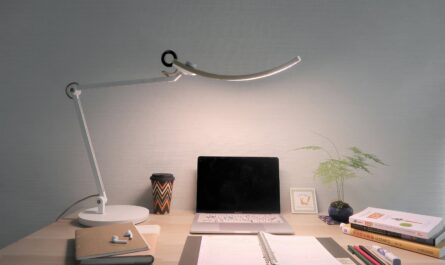

A stylish home does not require a large decorating budget. The most expensive mistake is often buying too much too quickly: furniture that does not fit, decor that does not work together, storage products you did not need, or trendy pieces that are replaced a few months later. A better low-budget home setup starts with planning, using what you already own, and spending only where a purchase solves a real problem.
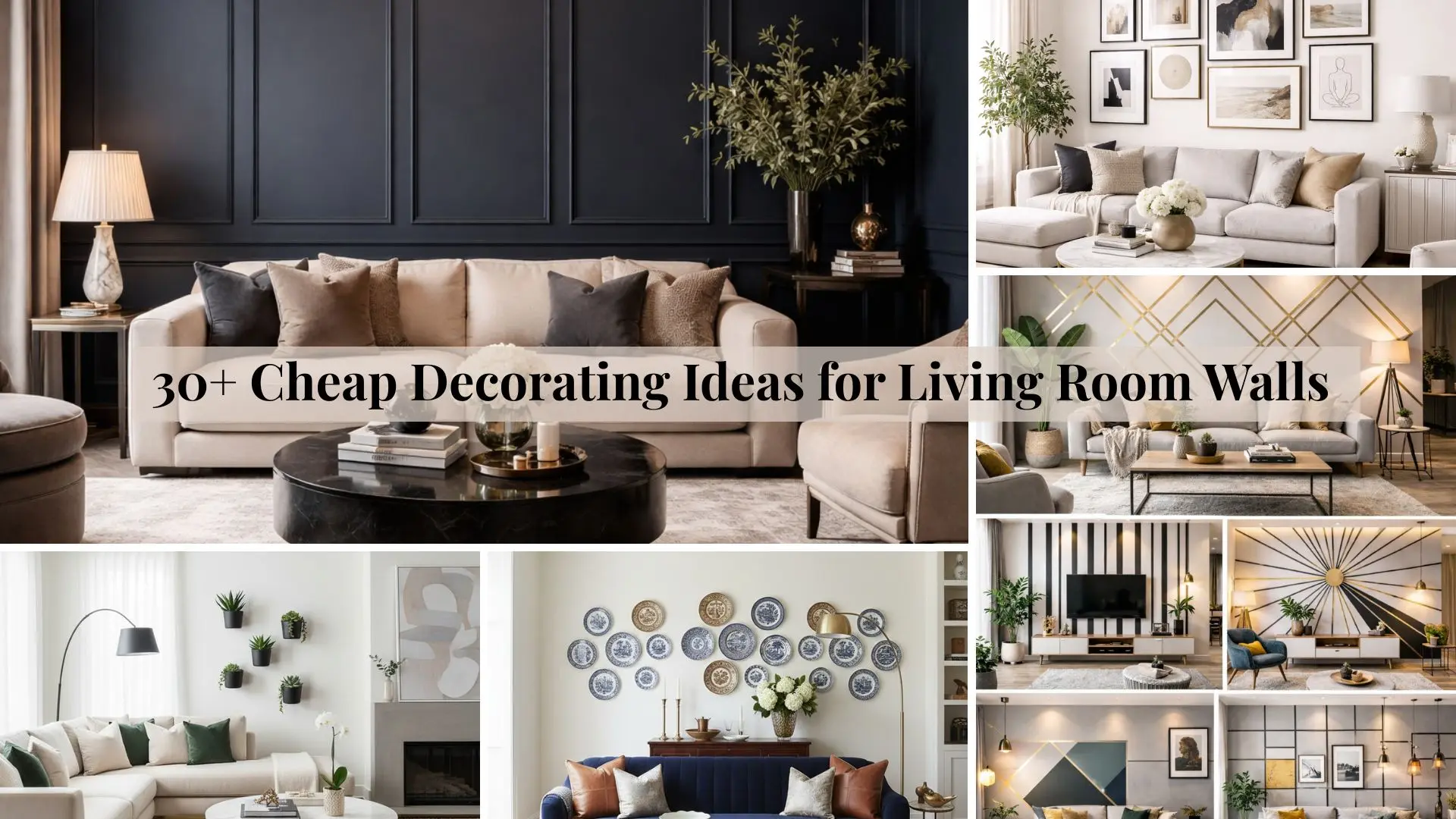
This guide explains how to build a stylish home on a low budget without overspending. It works whether you are furnishing a first apartment, refreshing a rental, setting up a family home, or simply trying to make an existing space feel more intentional. The goal is not to copy a showroom. It is to create a home that feels comfortable, functional, and visually consistent within a budget you can actually afford.
Set the Budget Before Choosing the Style
Before browsing furniture or decor, decide how much money is available for the project without interfering with rent, utilities, food, debt payments, emergency savings, or other priorities.
Break the total into categories
| Category | Example Priority |
|---|---|
| Essential furniture | Bed, seating, table, storage where genuinely needed |
| Lighting | Task or ambient lighting where current lighting is inadequate |
| Textiles | Curtains, bedding, rugs, cushions |
| Decor | Artwork, plants, accessories |
| Repairs/safety | Items that should be fixed or secured before decorating |
| Buffer | Money reserved for an unexpected setup cost |
Do not spend the full budget on decorative items while basic furniture or safety needs remain unresolved. If you want a structured way to plan the money, our monthly budget guide can help you decide what is genuinely available.
Choose One Clear Visual Direction
A low-budget space often looks more intentional when colors and materials relate to one another. You do not need a formal interior-design label. Choose a simple direction you can use as a filter while shopping.
Define three things
- Base colors: two or three colors that already exist in your floors, walls, or large furniture.
- Materials: for example warm wood, black metal, natural textures, or light neutrals.
- Overall feeling: calm, warm, colorful, minimal, traditional, modern, or another description that fits you.
When every purchase supports the same basic direction, inexpensive pieces can look more coordinated without needing to match exactly.
Measure Before You Buy Anything
A bargain is not a bargain if it blocks a doorway, overwhelms a room, cannot get through the stairwell, or leaves no walking space.
Record important measurements
- Room length and width
- Doorway width and height
- Stairs, elevators, or hallways used for delivery
- Window positions
- Existing furniture dimensions
- Electrical outlet locations
- Clear walking paths
Keep the measurements on your phone so you can check secondhand or sale items before paying.
Use What You Already Own First
Before shopping, move existing furniture and decor around. A chair may work better in another room. A small dresser can become entry storage. Artwork may feel completely different in a new location. A lamp that is unnecessary in one room may solve a lighting problem elsewhere.
Try a no-spend reset
- Remove obvious clutter.
- Clear the main surfaces.
- Group similar decor together.
- Rearrange large furniture for better flow.
- Move useful items between rooms.
- Live with the new arrangement for a few days before deciding what is missing.
Our beginner decluttering guide can help if excess items are making it difficult to see what the space actually needs.
Prioritize the Rooms You Use Most
You do not need to finish the entire home at once. Start with the rooms that affect daily life most strongly.
A practical order might be
- Bedroom and sleep essentials
- Main seating or living area
- Kitchen and dining function
- Work or study area
- Entry and storage
- Decorative finishing touches
Your order can differ. The important idea is to finish useful spaces before scattering small purchases across every room.
Shop Secondhand With a Quality Checklist
Secondhand furniture can provide strong value, especially for solid tables, shelving, chairs, frames, mirrors, and some storage pieces. But low price should not replace basic inspection.
Before buying used furniture
- Check whether the piece is stable.
- Look for cracks, loose joints, missing hardware, or water damage.
- Check drawers and doors.
- Measure it carefully.
- Consider whether cleaning or repair will add significant cost.
- For upholstered items, inspect condition carefully and consider hygiene or pest concerns.
- Check for product recalls where relevant.
If a piece needs extensive repair, special transportation, or replacement hardware, include those costs before deciding it is a bargain.
Put Safety Ahead of the Look
Some furniture needs more than good styling. Tall or heavy pieces can pose tip-over hazards, particularly in homes with children.
The U.S. Consumer Product Safety Commission’s Anchor It! guidance recommends securing appropriate furniture and televisions to help reduce tip-over risk and following manufacturer instructions.
Do not use an unknown wall fastener simply because it is inexpensive. The correct installation depends on the furniture, wall construction, hardware, and manufacturer guidance.
Use Textiles for a Low-Cost Visual Change
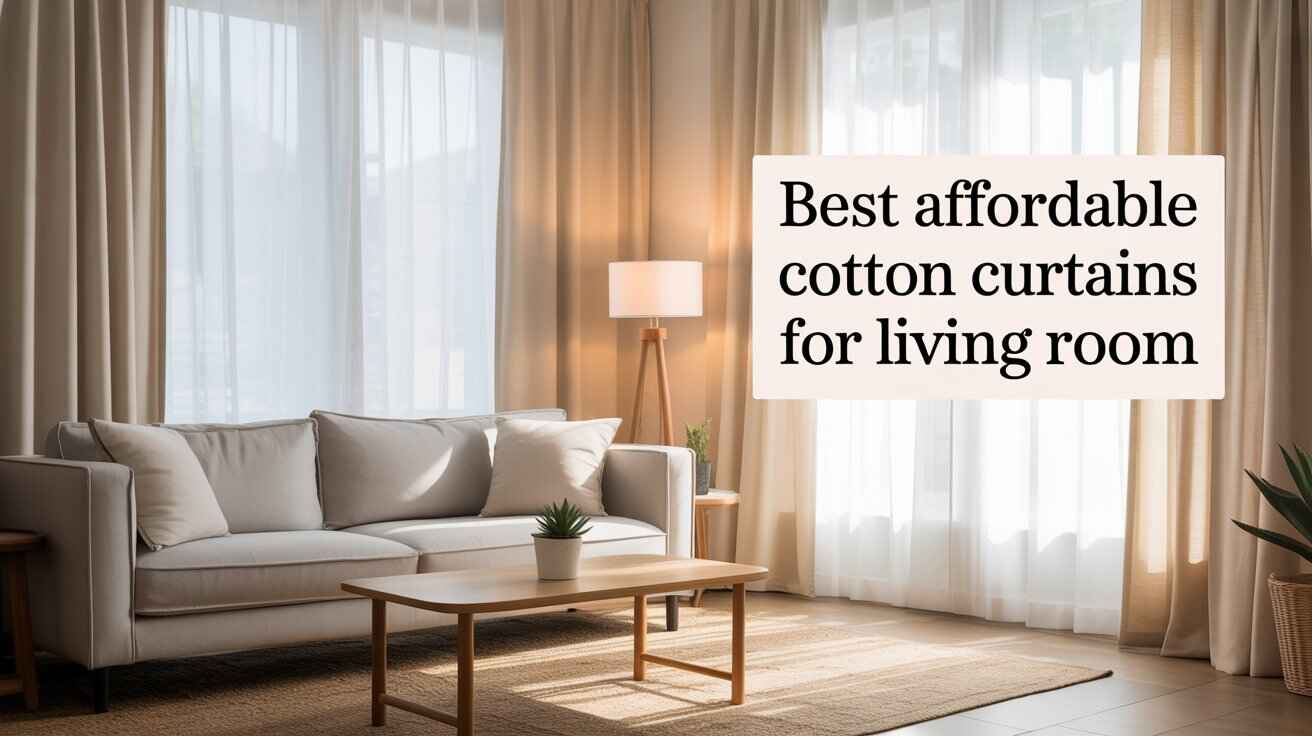
Textiles can change the feel of a room without replacing major furniture. Bedding, curtains, cushion covers, throws, and rugs introduce color and texture.
Keep it coordinated rather than matched
Choose a small color palette and repeat it in a few places. For example, a warm neutral curtain, a patterned cushion with the same neutral tone, and a throw in a related color can create consistency without buying a full matching set.
Washable or easy-care textiles can be especially practical for high-use homes. Check care instructions before buying so upkeep does not become an unexpected cost.
Improve Lighting Before Replacing Furniture
A room can feel flat or uncomfortable because of lighting rather than furniture. Before buying a new sofa or decor collection, test the lighting at the times you use the room most.
Think in layers
- General lighting: basic illumination for the room.
- Task lighting: light for reading, cooking, studying, or working.
- Ambient lighting: softer lighting that helps create a comfortable evening atmosphere.
You may already own a lamp that can be repositioned. When purchasing bulbs or fixtures, make sure they are compatible with the fixture and suitable for their intended use.
Make Small Spaces Work Harder
In a small apartment, every new piece consumes valuable floor area. Look for furniture that solves more than one problem without becoming awkward to use.
Useful multifunction examples
- A bench with storage
- A dining table that can also support work
- A side table with shelves
- A bed with built-in storage if appropriate
- Stackable or folding seating for occasional guests
Our small-apartment space guide has additional ideas for making limited square footage feel more functional.
Use Vertical Space Without Overcrowding It
Walls can help free floor area, but more shelves are not automatically better. Use vertical storage for things that genuinely need a home and keep frequently used items accessible.
Good uses for vertical space
- Books
- Small baskets
- Everyday kitchen items
- Framed art
- Entry hooks where appropriate
Mount items correctly for the wall type and weight involved. In rentals, check the lease or landlord rules before drilling or making permanent changes.
Create an Expensive-Looking Effect With Repetition
A room often feels intentional because certain colors, shapes, or materials repeat—not because every item was costly.
Examples
- Repeat one wood tone in frames and a side table.
- Use similar metal finishes on lamps and hardware.
- Repeat an accent color in artwork and textiles.
- Use matching or similar frames for unrelated prints.
This reduces visual randomness and can make secondhand and budget pieces feel like part of one plan.
Decorate With Personal Items Before Buying Generic Decor
Books, photographs, travel mementos, children’s artwork, collections, handmade objects, and meaningful gifts can make a home feel personal without another shopping trip.
Display fewer items at once rather than filling every surface. Rotate decor seasonally or whenever you want a change. Items stored safely for part of the year can feel fresh when they return.
Use Frames Strategically
Artwork does not need to be expensive. Personal photography, licensed printable art, postcards, textiles, or children’s art can work well when presented thoughtfully.
Secondhand frames can be useful if they are sturdy and the glazing is intact. Measure the artwork and wall space before buying. A small number of well-positioned pieces usually creates more impact than many unrelated objects.
Refresh Instead of Replace
Some furniture needs only cleaning, tightening, new hardware, or a simple surface refresh. Before replacing an item, ask whether the underlying piece still functions well.
Low-cost refresh possibilities
- Clean according to the material’s care instructions.
- Tighten loose manufacturer-approved hardware.
- Replace worn drawer pulls if compatible.
- Use a suitable furniture touch-up product.
- Rearrange shelves and displays.
- Replace a removable cushion cover rather than the entire chair when practical.
For electrical, structural, or safety-critical repairs, use appropriate qualified help rather than relying on cosmetic DIY fixes.
Be Careful With Paint in Rentals
Paint can produce a dramatic visual change, but renters should confirm what the lease allows before making permanent changes. Some landlords require written permission, specific colors, or repainting before move-out.
If painting is not permitted, use reversible changes such as textiles, furniture arrangement, removable decor designed for the surface, and lighting. Test removable products in an inconspicuous area because some can still damage certain finishes.
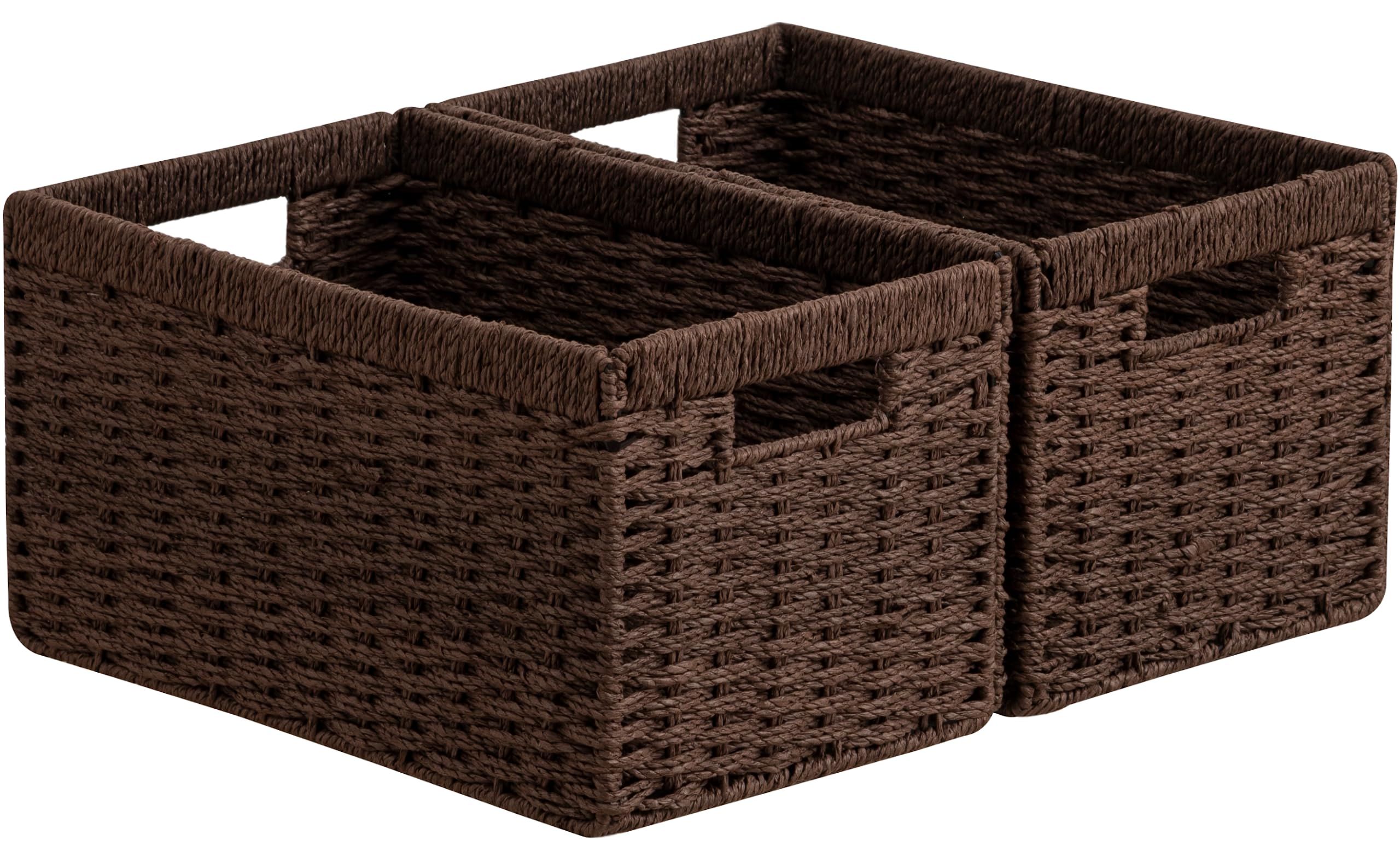
Do Not Buy Storage Before Reducing Clutter
Storage bins can make excess items look organized while leaving the underlying problem unchanged. First decide what needs to stay.
Use this order
- Remove trash and broken items.
- Move items that belong elsewhere.
- Donate or sell usable items you no longer need, where appropriate.
- Group the remaining items by purpose.
- Only then decide whether a container is necessary.
The same principle works in kitchens. Our no-spend kitchen organization guide shows how to create useful zones before purchasing organizers.
Avoid Financing Decor You Cannot Comfortably Afford
Buy-now-pay-later plans, store financing, and credit cards can make a room makeover feel cheaper because the payment is divided into smaller amounts. The total financial commitment still exists.
Before financing furniture or decor, understand the full price, interest if applicable, fees, payment schedule, and consequences of missed payments. A stylish home is not worth creating a payment problem that lasts longer than the design trend.
Spend More Only Where It Solves a Long-Term Need
A low-budget setup does not require choosing the cheapest product every time. Sometimes spending more on an item that is used every day and genuinely fits your needs can be better value than repeatedly replacing a poorly suited alternative.
Possible priority purchases
- A mattress appropriate for your needs
- A comfortable work chair if you work at a desk for long periods
- Stable storage that safely holds necessary items
- Durable seating for a heavily used living room
- Quality window coverings when privacy or light control is important
The right priorities depend on your household. Spend based on use, safety, and durability rather than brand prestige.
Use a 30-Day Home Setup Plan
Slowing the process down can reduce impulse buying and help you learn what the space actually needs.
Week 1: Reset
- Declutter.
- Measure rooms.
- Rearrange existing furniture.
- Choose a simple style direction.
Week 2: Solve functional problems
- Identify missing essential furniture.
- Improve lighting.
- Address basic storage.
- Fix safety issues.
Week 3: Shop slowly
- Compare secondhand and new options.
- Check dimensions and condition.
- Buy only items already on the list.
Week 4: Finish with personality
- Add textiles.
- Display personal art or photographs.
- Repeat colors or materials.
- Stop when the room feels functional and complete.
Sample Low-Budget Room Priorities
| Room | Spend First On | Delay If Necessary |
|---|---|---|
| Bedroom | Sleep essentials, lighting, basic storage | Decorative accessories |
| Living room | Functional seating and lighting | Matching furniture sets |
| Kitchen | Basic cookware and organization | Decor-only gadgets |
| Work area | Comfortable functional setup | Trend-driven desk accessories |
| Entry | Simple shoe/key/bag organization | Large decorative furniture |
Common Low-Budget Decorating Mistakes
Buying because an item is on sale
A discount does not make an unnecessary product a good purchase.
Trying to finish the home in one weekend
Fast shopping increases the chance of wrong sizes, duplicate items, and decisions you later regret.
Ignoring dimensions
Measure every significant furniture purchase and the path it must travel through.
Buying matching sets automatically
Coordinated does not need to mean identical. Mixing compatible pieces can be cheaper and more personal.
Prioritizing appearance over function
A beautiful chair that is uncomfortable or a storage cabinet that blocks movement is not a successful setup.
Ignoring safety
Heavy or tall furniture, electrical items, and damaged secondhand pieces need appropriate inspection and setup.
Frequently Asked Questions
How can I make my home look stylish without buying new furniture?
Start with decluttering, rearranging, improving lighting, coordinating existing colors, moving decor between rooms, and displaying personal items more intentionally.
Is secondhand furniture always cheaper?
No. Delivery, repair, cleaning, missing hardware, or poor condition can make a cheap item expensive. Compare total cost and inspect carefully.
What should I buy first for an empty apartment?
Prioritize sleep, basic seating, cooking, lighting, and storage according to your daily needs. Decorative items can come later.
Should all furniture match?
No. A consistent color palette, repeated materials, and sensible proportions can make different pieces feel coordinated.
How do I stop overspending on decor?
Set a total budget, keep a written shopping list, wait before unplanned purchases, measure first, and decorate one priority area at a time.
Low-Budget Home Setup Checklist
- Set a maximum budget before shopping.
- Choose a simple visual direction.
- Measure rooms and doorways.
- Use and rearrange existing items first.
- Prioritize high-use rooms.
- Inspect secondhand furniture carefully.
- Handle safety issues before decor.
- Use lighting and textiles for visual impact.
- Buy storage only after decluttering.
- Avoid financing unnecessary decor.
- Spend more only where durability or function justifies it.
- Build the home slowly rather than impulse buying.
Conclusion
A stylish home on a low budget is built through editing and prioritization more than constant shopping. Decide how you want the space to feel, work with what you already own, solve functional problems first, and use color, lighting, textiles, and personal items to create consistency.
When you do buy something, make sure it fits the room, the budget, and a real need. A home can look thoughtful and complete without being expensive—and avoiding unnecessary purchases is one of the strongest design decisions you can make.