
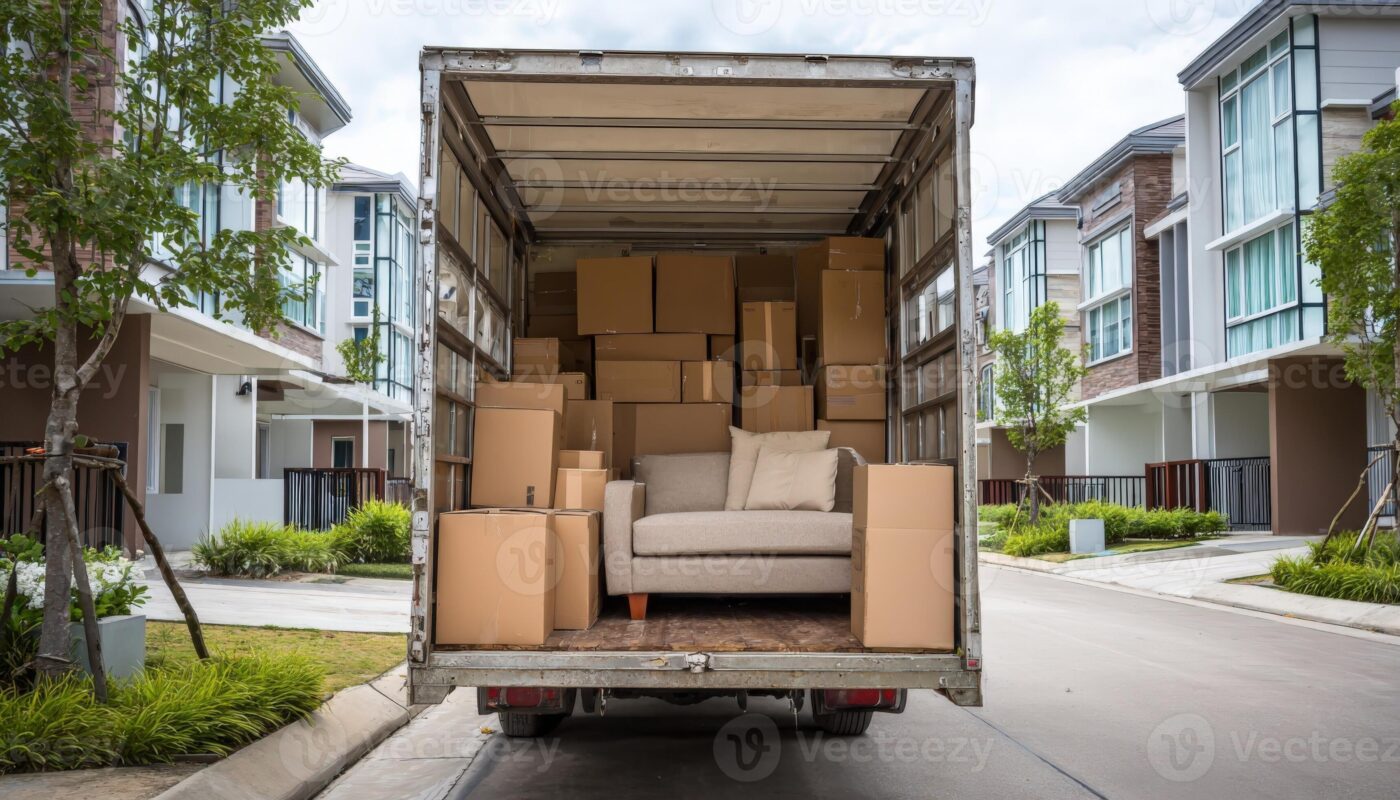
Moving to a cheaper area can lower rent or mortgage costs, but a lower housing price does not automatically mean a lower cost of living. A longer commute, higher car expenses, different utility rates, limited public transportation, new childcare costs, or a difficult move can erase part of the savings.
This guide explains how to compare housing and commuting costs before moving to a cheaper area. Instead of choosing a location based on rent alone, you will build a complete monthly and one-time cost picture. The goal is to identify a move that improves your financial stability rather than simply shifting expenses from housing to transportation or other categories.
If you are still deciding whether to rent or buy, our renting versus buying guide can help you compare the two paths first.
Why Cheap Housing Can Still Be Expensive
Housing is often the largest household expense, so lowering rent by $300 or $500 per month can look like an obvious win. But location affects many other parts of your budget.
For example, moving 25 miles farther from work could add fuel, maintenance, parking, tolls, and vehicle replacement costs. A location with fewer grocery stores may make shopping less convenient. A cheaper apartment may have higher utility bills because of older equipment or poor insulation.
A smarter comparison uses total recurring cost, not just housing price.
Step 1: Calculate Your Current Total Housing Cost
Before comparing another city or neighborhood, calculate what your current home really costs.
Include
- Rent or mortgage
- Mandatory housing fees
- Electricity and gas
- Water and sewer
- Trash
- Internet
- Parking
- Renters or homeowners insurance
- Property taxes and HOA dues if you own
If you rent, use our apartment fee comparison guide to make sure you are not missing recurring charges.
Step 2: Estimate the New Housing Cost Using the Same Categories
Use the same list for the new area. Do not compare your current all-in housing cost with only the advertised rent of the new place.
Ask prospective landlords or utility providers for typical charges where possible. If the property uses mandatory amenity, trash, parking, or technology fees, include them.
Step 3: Calculate the Commute Cost
If you drive, fuel is only one part of the cost. A longer commute increases mileage, which can affect maintenance, tires, depreciation, and the timing of future vehicle replacement.
A simple commuting estimate
- Calculate round-trip miles to work.
- Multiply by the number of commuting days per month.
- Estimate monthly fuel use.
- Add tolls and parking.
- Add a reasonable maintenance and repair allowance.
If you use public transportation, compare monthly passes, transfer fees, first-mile/last-mile costs, and schedule reliability.
Step 4: Put a Value on Commute Time
Time is not a bill, but it affects your quality of life. A move that adds 90 minutes of daily travel may reduce time for family, exercise, meal preparation, sleep, or a second job.
You do not need to convert every minute into dollars. Simply calculate the additional weekly hours and ask whether the monthly savings justify the schedule change.
Step 5: Compare Transportation Options, Not Just Distance
A location 12 miles away with frequent transit might be easier and cheaper than one 8 miles away that requires owning a car. Look at the actual route, not just the map distance.
Check
- Public transportation frequency
- Weekend and evening service
- Parking availability
- Bike or walking options
- School transportation
- Road tolls
- Winter or weather-related travel conditions
Step 6: Compare Grocery and Essential-Service Access
Housing far from grocery stores, pharmacies, medical care, childcare, or work can create hidden transportation costs. A cheaper home may require more driving for everyday errands.
Map the places your household uses most often and estimate how many additional trips the new location would require.
Step 7: Compare Utility Risk
Older or less efficient homes can cost more to heat and cool. Ask about the heating system, cooling system, insulation, windows, appliance age, and whether utilities are individually metered.
The U.S. Department of Energy explains that energy efficiency and air sealing can materially affect household energy use. Its Energy Saver guidance can help you identify efficiency questions to ask before choosing a home.
Step 8: Add Moving Costs
A move has one-time costs that can take months to recover through lower rent.
Possible moving expenses
- Application fees
- Security deposit
- First month’s rent
- Truck or moving company
- Fuel and travel
- Utility connection deposits
- Storage
- Cleaning
- Boxes and packing materials
- Temporary lodging
- Time off work
If moving costs total $3,000 and the move saves $300 per month, it takes about ten months to recover the upfront cost before considering other differences.
Step 9: Protect Your Emergency Fund
Do not calculate a move using every dollar in savings. Deposits and moving expenses can be predictable, but a vehicle repair or medical bill can arrive immediately after the move.
The CFPB’s emergency savings guidance recommends building a dedicated reserve for unplanned expenses. Keep a cushion instead of using your entire cash balance to relocate.
Step 10: Compare Taxes and Local Fees Where Relevant
Depending on the move, local taxes and fees may change. Vehicle registration, property taxes, local income taxes, sales taxes, parking permits, or municipal fees can vary.
Use official state and local sources rather than relying on old cost-of-living blog posts. If a tax change is important to your budget, verify current rules before moving.
Step 11: Compare Insurance Costs
Auto, renters, and homeowners insurance premiums can vary by location and property. Request real quotes before making a decision, especially if you are moving to a different state or a location exposed to different weather risks.
Step 12: Review Childcare and School Logistics
Families should include childcare cost, school transportation, after-school programs, and the time needed for drop-off and pickup. A lower rent can lose its advantage if a move requires expensive childcare or reduces access to a current support network.
Step 13: Consider Healthcare Access
If your household regularly uses a specific clinic, specialist, hospital, pharmacy, or therapy provider, check the travel impact before moving. Also verify insurance network coverage if changing areas affects available providers.
Step 14: Check Rental Scams in Unfamiliar Areas
Searching from a distance can make renters more vulnerable to fake listings. The Federal Trade Commission continues to warn that scammers copy legitimate listings and pressure people to pay before they have verified the property.
Review current FTC rental scam information, verify ownership or management independently, and avoid unusual payment methods.
A Total-Cost Moving Comparison Table
| Monthly cost | Current area | Cheaper area |
|---|---|---|
| Rent/mortgage | ||
| Housing fees | ||
| Utilities | ||
| Insurance | ||
| Commute fuel/transit | ||
| Parking/tolls | ||
| Vehicle maintenance allowance | ||
| Childcare difference | ||
| Other location costs | ||
| Total monthly cost |
Calculate the Break-Even Point
Once you know the monthly savings, divide the one-time moving costs by the monthly savings.
Break-even months = total moving costs ÷ expected monthly savings.
If the move costs $4,000 and saves $400 per month, the simple break-even point is about 10 months. If you expect to move again in six months, the move may not make financial sense unless there are other strong benefits.
When Moving Farther Away Can Make Sense
A move to a cheaper area may work well when:
- The housing savings are substantial after transportation costs.
- Your work is remote or hybrid.
- Public transportation is affordable and reliable.
- You gain more stable housing for your household.
- The new location has lower utility or insurance costs.
- You plan to stay long enough to recover moving expenses.
When the Cheaper Area May Not Be Cheaper
Be cautious when:
- You need another vehicle.
- The commute becomes much longer.
- Tolls and parking rise sharply.
- The home is inefficient and utilities are high.
- Childcare or healthcare access becomes more expensive.
- You will lose free family support that currently saves money.
- The move uses almost all of your emergency savings.
How to Test a Location Before Committing
If possible, visit during the hours you would normally commute. Drive or ride the transit route. Visit a grocery store. Check parking. Look at the neighborhood at different times of day.
If you are relocating a long distance, consider temporary housing or a shorter commitment only if the cost and lease terms make sense. Do not sign a long lease based only on a map and listing photos.
Frequently Asked Questions
How much cheaper should rent be before I move farther away?
There is no universal number. Compare the full monthly difference after transportation, utilities, fees, insurance, and other location-specific costs.
Should I include commute time in the calculation?
Yes. Even if you do not assign it a dollar value, additional weekly travel hours can affect sleep, family time, meal preparation, and work flexibility.
What if I work from home?
Remote work can reduce commuting costs, but check internet reliability, home office space, utility use, and employer remote-work rules.
How do I compare two cities fairly?
Use the same categories for both locations and get current real prices wherever possible. Avoid relying only on general cost-of-living indexes.
Should I move if it empties my savings?
A move that leaves no emergency cushion can create financial risk. Consider whether you can delay, reduce moving costs, or choose a lower move-in-cost option.
Conclusion: Compare the Whole Life, Not Just the Rent
Moving to a cheaper area can be an effective way to reduce housing costs, but the decision works best when you calculate the entire household impact. Compare rent or mortgage, utilities, transportation, moving expenses, insurance, childcare, essential services, and the time cost of commuting.
Use real quotes and current local information, calculate your break-even point, protect your emergency fund, and visit the area when possible. The best move is the one that lowers your total cost while still supporting a workable daily life.