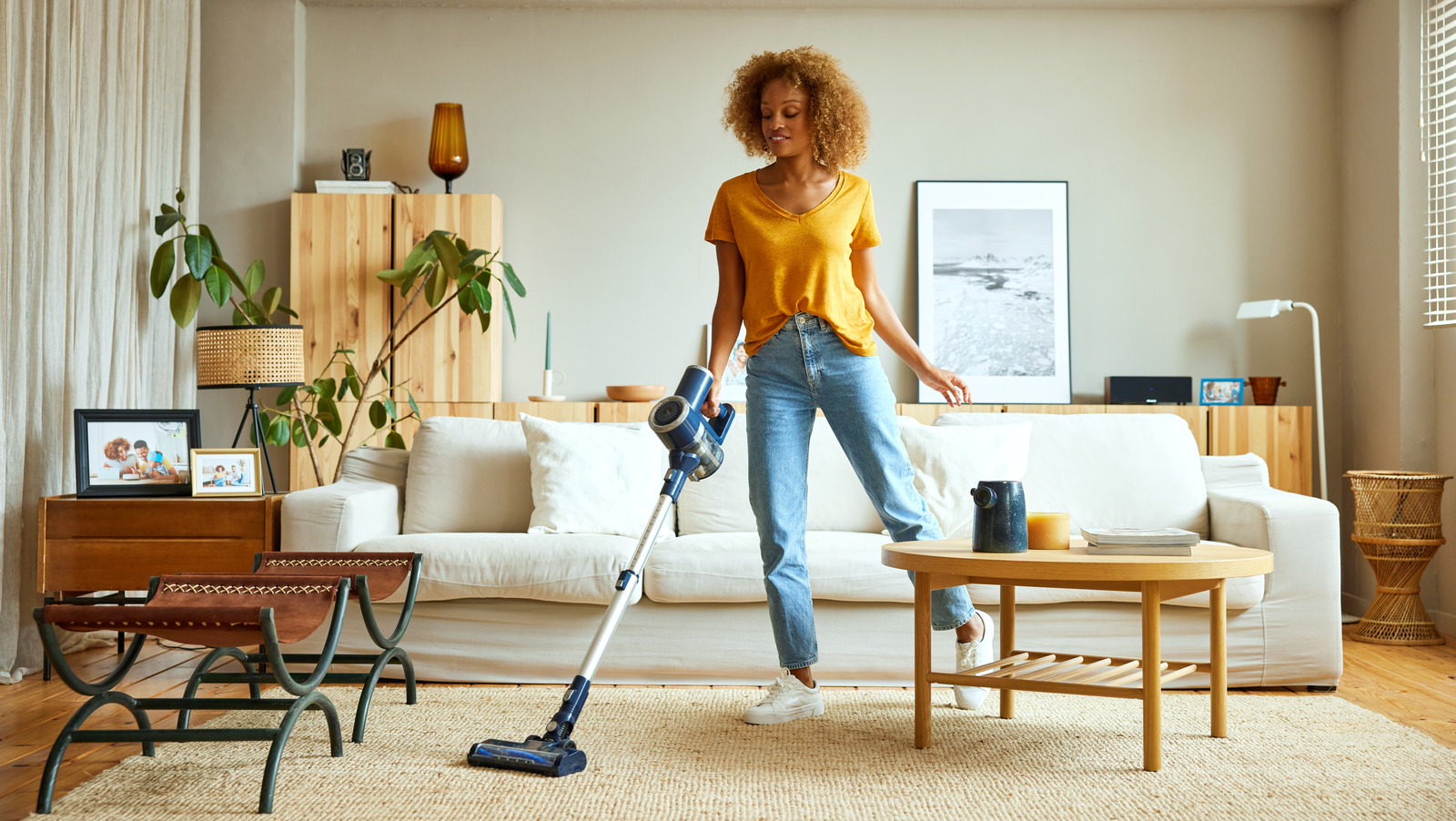
A small apartment does not need to feel cramped. The biggest improvements usually come from better layout decisions, fewer visual obstacles, and storage that uses the height and hidden areas you already have. You do not need an expensive renovation or a room full of “space-saving” gadgets to make a studio or compact apartment work better.
The most useful small apartment space hacks solve a real problem: they create a clear walking path, give everyday items a home, make furniture do more than one job, or improve light without adding clutter. This guide focuses on renter-friendly, budget-conscious ideas you can apply gradually.

Start With the Floor Plan, Not With Storage Products
Before buying shelves or baskets, measure the room and identify how you actually move through it. Mark doors, windows, outlets, radiators or vents, and the routes you use most often. Then look for furniture that blocks those routes or occupies more floor space than its function justifies.
A common small-space mistake is pushing extra furniture into every empty corner. An unused patch of floor is not wasted space; it can be the negative space that makes the entire room easier to use. If two pieces of furniture serve nearly the same purpose, removing one may create more value than adding another organizer.
1. Choose Multi-Use Furniture Based on Your Routine
Multi-functional furniture is useful only when the second function is something you actually need. A storage ottoman can work as seating, a footrest, and concealed storage. A drop-leaf table can serve as a dining surface and occasional desk. A bed with drawers can replace a separate chest.
- Storage ottoman: good for blankets, games, or occasional seating.
- Lift-up or drawer bed: useful for seasonal clothing and linens.
- Drop-leaf table: helpful when dining space is also circulation space.
- Nesting tables: provide extra surface area only when needed.
- Sleeper sofa: useful if overnight guests are common; unnecessary if they are not.
Do not buy a complicated transforming piece simply because it looks clever online. Check dimensions in both its closed and open positions, consider its weight, and make sure you can operate it comfortably.
2. Use Vertical Space Without Making the Room Feel Heavy
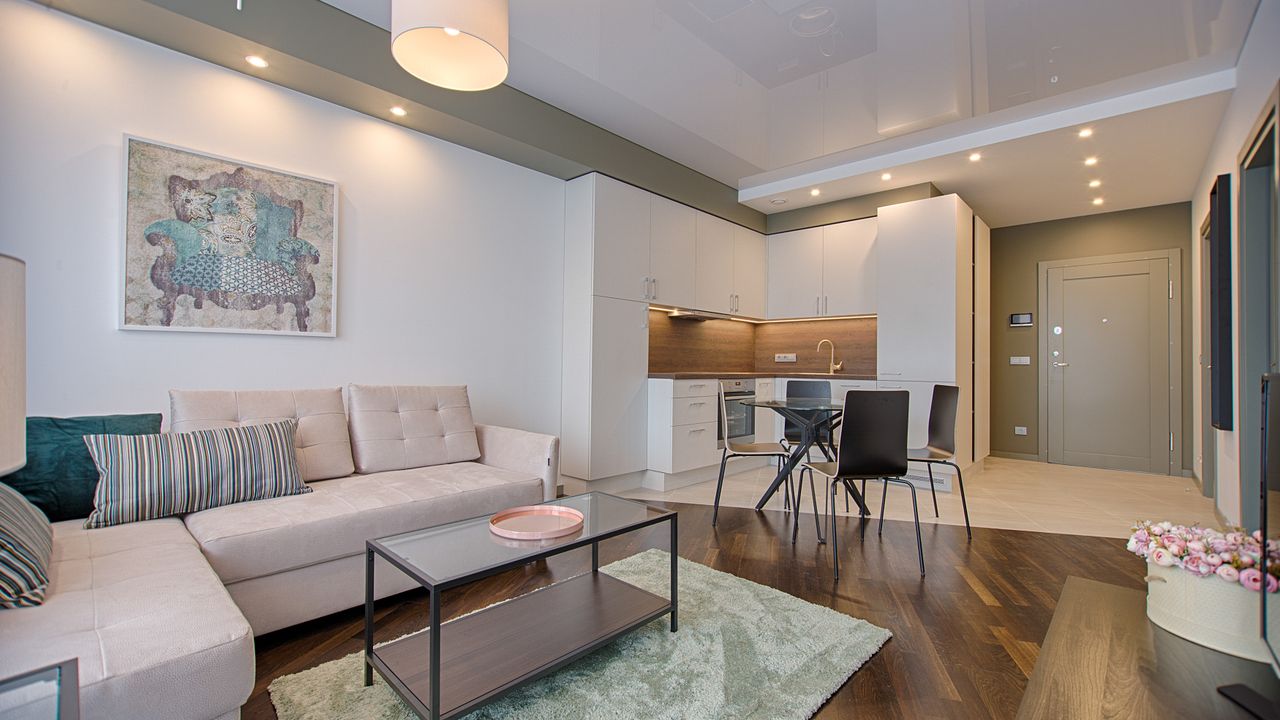
When floor area is limited, walls become useful storage. Floating shelves, tall bookcases, wall rails, pegboards, and over-door organizers can move objects off counters and floors. The trick is to keep frequently used items at comfortable reach and reserve high storage for lighter or less-used belongings.
Safety matters with tall storage. Heavy or unstable furniture can tip over, particularly in homes with children. The U.S. Consumer Product Safety Commission’s Anchor It! safety guidance explains why furniture and televisions should be secured appropriately. If you rent, check your lease or ask your landlord before drilling or installing wall-mounted hardware.
3. Keep Visual Weight Low Around Windows
Natural light helps a compact room feel less enclosed. Avoid placing tall, solid furniture directly in front of windows when another layout is practical. Light-filtering curtains or blinds can provide privacy while preserving daylight.
For artificial lighting, use more than one source if the room allows it. A ceiling fixture plus a task lamp and a small accent light can reduce dark corners. The U.S. Department of Energy provides practical information about energy-efficient lighting choices, including LEDs that use less energy and last longer than traditional incandescent bulbs.
4. Use Mirrors Strategically, Not Everywhere
A mirror can visually extend a room and bounce light into darker areas, especially when placed opposite or near a window. One larger mirror is often calmer than a collection of many small reflective surfaces.
Place mirrors where they reflect something useful or pleasant rather than clutter. If a mirror doubles the view of an overloaded shelf or busy countertop, it may make the space feel more crowded instead of larger.
5. Create Zones Without Building Walls
Studio apartments often work better when sleeping, working, eating, and relaxing areas feel distinct. You can define zones without blocking light or making permanent changes.
- Use a rug to define a seating area.
- Turn the back of a sofa toward a workspace to create a subtle boundary.
- Use an open bookcase rather than a solid cabinet as a divider.
- Use a curtain or folding screen when occasional privacy is needed.
- Give each zone its own lighting source.
The goal is not to create miniature rooms inside the room. It is to make the purpose of each area obvious enough that belongings are easier to return to the right place.
6. Make Hidden Storage Easy to Access
Under-bed boxes, storage benches, high shelves, and the backs of doors can add capacity, but inaccessible storage can become a place where forgotten items accumulate. Use hidden storage for seasonal or occasional items, not for things you need every day.

If storage is already full, the next step may be decluttering rather than buying another cabinet. Our beginner step-by-step decluttering guide provides a simple sorting process.
7. Keep the Kitchen Counter as Clear as Practical
Small kitchens feel crowded quickly because counters serve as preparation space, appliance space, and temporary storage. Keep only high-frequency items on the counter. Store rarely used appliances elsewhere if possible, and group cooking tools close to where they are used.
Vertical solutions such as a magnetic utensil rail, wall hooks, shelf risers, and cabinet-door organizers can help, but do not overload walls with items. In a small room, visual clutter matters almost as much as physical clutter.
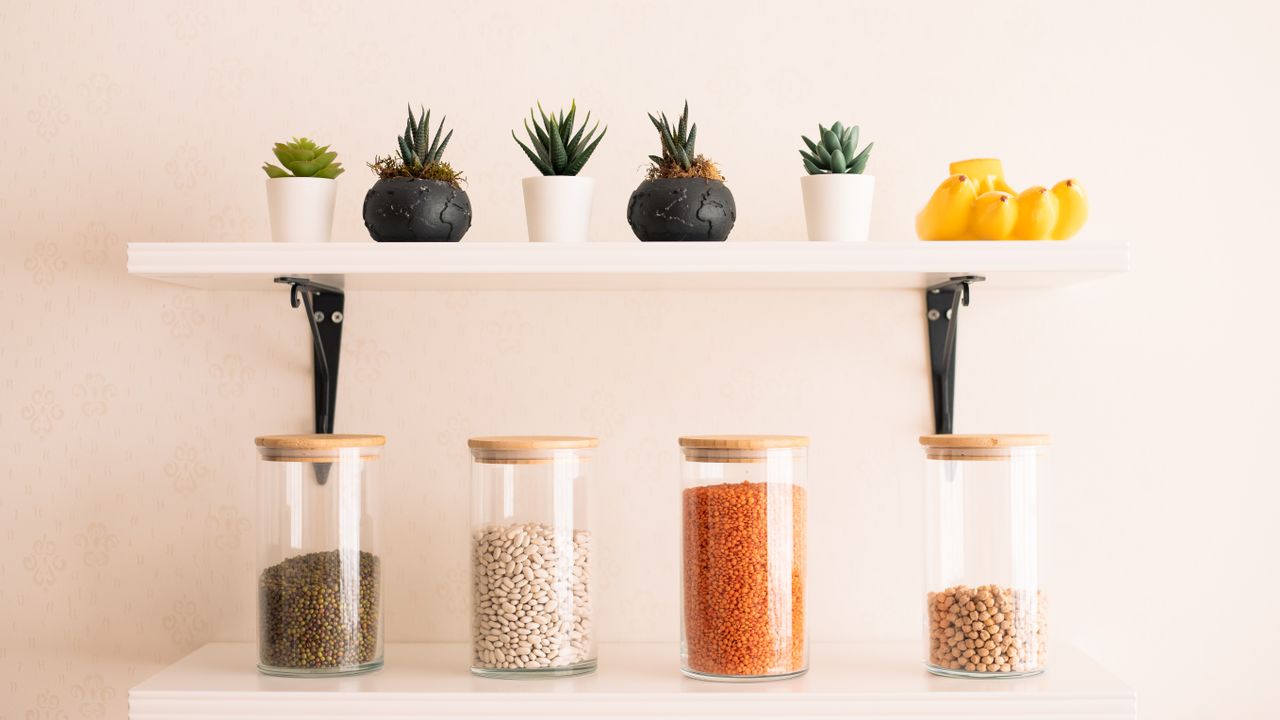
For a deeper walkthrough, see how to organize your kitchen without buying extra stuff.
8. Design a Compact Work Zone That Can “Close”
If you work or study from home, a permanent office may not be possible. A wall-mounted desk, narrow console, rolling cart, or small table can create a dedicated workstation without taking over the whole apartment.
What matters most is the end-of-day reset. Store chargers, notebooks, and work equipment in one container or drawer so the living area can return to a non-work function. If distractions are a bigger issue than space, our guide to creating a distraction-free workspace has additional ideas.
9. Use Light Colors as a Tool, Not a Rule
Light walls and larger surfaces can reflect more light and create a continuous visual field, but a small apartment does not need to be entirely white. A darker accent wall, colorful rug, artwork, or textiles can add personality without shrinking the room.
The stronger strategy is consistency. Repeating a limited palette across larger pieces reduces visual fragmentation. When every item has a different color, finish, and pattern, the eye has more information to process and the room can feel busier.
10. Reduce the Number of Small Objects on Display
Ten tiny decorative objects usually create more visual activity than one larger item. If you enjoy collections, group them intentionally rather than scattering them across every surface. Leave some shelves partially empty.
This does not mean removing personality. It means creating enough visual breathing room that the items you care about are easier to notice.
11. Use Doors and Narrow Gaps Carefully
Over-door organizers can hold shoes, cleaning supplies, accessories, pantry items, or bathroom products. Slim rolling carts can fit between appliances or beside cabinets. These solutions are especially useful when they solve a specific recurring storage problem.
Do not block exits, vents, heaters, electrical panels, or required access areas. Space efficiency should never make the apartment less safe or harder to evacuate.
12. Improve Air Quality While You Improve the Layout
A room that looks spacious but feels stuffy will not be comfortable. Avoid blocking ventilation, address moisture problems quickly, and use exhaust fans where available. The EPA’s indoor air quality resources explain common indoor pollutants and practical ways to reduce exposure.
If you bring in plants, choose them because you enjoy them rather than relying on them as a substitute for ventilation or source control.
13. Avoid “Storage Creep”
Storage creep happens when every organizing problem is solved by adding another container, shelf, rack, or cabinet. Over time, the storage itself begins to consume the room. Before buying anything new, ask whether removing duplicates or relocating an item would solve the problem more cheaply.
This is also useful when setting up a home on a tight budget. Our low-budget home setup guide focuses on prioritizing function before décor purchases.
14. Use a “Reset Point” for Daily Clutter
Choose one small location for the objects that enter and leave the apartment every day: keys, wallet, bag, mail, headphones, transit card, and sunglasses. An entry tray, wall hook, or narrow shelf can prevent those items from spreading across the home.
A reset point works because it reduces decisions. Instead of asking where the keys should go each evening, the answer is always the same.
15. Reevaluate the Layout Every Few Months
Small apartments need to adapt as routines change. A desk that was essential during a busy work period may become unnecessary later. A baby, roommate, hobby, new job, or mobility need can make a once-efficient layout impractical.
Rather than buying around an old arrangement, start again with the core questions: What activities happen here now? What needs to be reachable? What blocks movement? What can leave?

Small Apartment Space-Saving Checklist
- Measure before buying furniture.
- Keep main walking paths clear.
- Use vertical storage where it is safe and permitted.
- Choose multi-use furniture only when both uses matter.
- Keep frequently used items easy to reach.
- Preserve natural light and avoid blocking windows.
- Create functional zones with rugs, furniture placement, or lighting.
- Clear kitchen and work surfaces regularly.
- Reduce duplicates before adding storage.
- Anchor unstable tall furniture appropriately.
- Do not block ventilation, exits, heaters, or electrical access.
Frequently Asked Questions
What makes a small apartment look bigger?
Clear sightlines, appropriately sized furniture, natural light, fewer visible small objects, and consistent colors can make a compact room feel more open. Mirrors can also help when placed strategically.
What is the cheapest space-saving improvement?
Rearranging furniture and removing unnecessary items cost nothing and often create the biggest immediate change. Buy storage only after you know exactly what still needs a home.
Should all furniture in a small apartment be tiny?
No. Too many tiny pieces can create visual clutter. A few correctly scaled, functional pieces are often better than many small ones.
How do I add storage in a rental without damaging walls?
Use freestanding shelves, over-door organizers, tension-based solutions where appropriate, under-bed storage, and furniture with built-in storage. Follow manufacturer instructions and check lease rules before wall mounting anything.
How can I make a studio apartment feel like separate rooms?
Use rugs, lighting, furniture placement, an open bookcase, or a temporary curtain to define zones while preserving light and circulation.
Conclusion
The best smart space hacks for small apartments are not about squeezing more belongings into less square footage. They are about making the square footage you have easier to move through, easier to maintain, and flexible enough for your daily life.
Start with layout and decluttering, then add vertical or hidden storage only where it solves a clear problem. Preserve light, keep pathways open, choose furniture that earns its footprint, and revisit the arrangement as your needs change. A small apartment can feel generous when every part of it has a purpose.