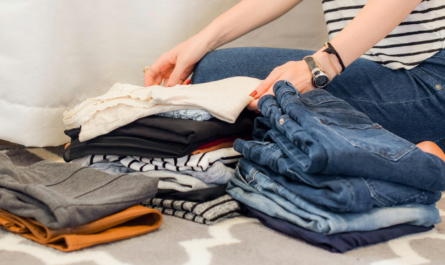
A small bedroom can become crowded quickly because the same room may need to handle sleeping, clothing storage, work, personal items, laundry, and sometimes exercise or hobbies. The usual response is to buy more storage furniture, but another shelf, chest, or rack can take away the floor space you are trying to protect.
This small bedroom organization guide focuses on using the room you already have more effectively. You will reduce visual clutter, identify what truly belongs in the bedroom, use existing vertical and under-bed space, improve furniture layout, and create storage limits before buying more organizers.
If your entire apartment feels tight, our small apartment space guide covers broader layout and storage ideas.
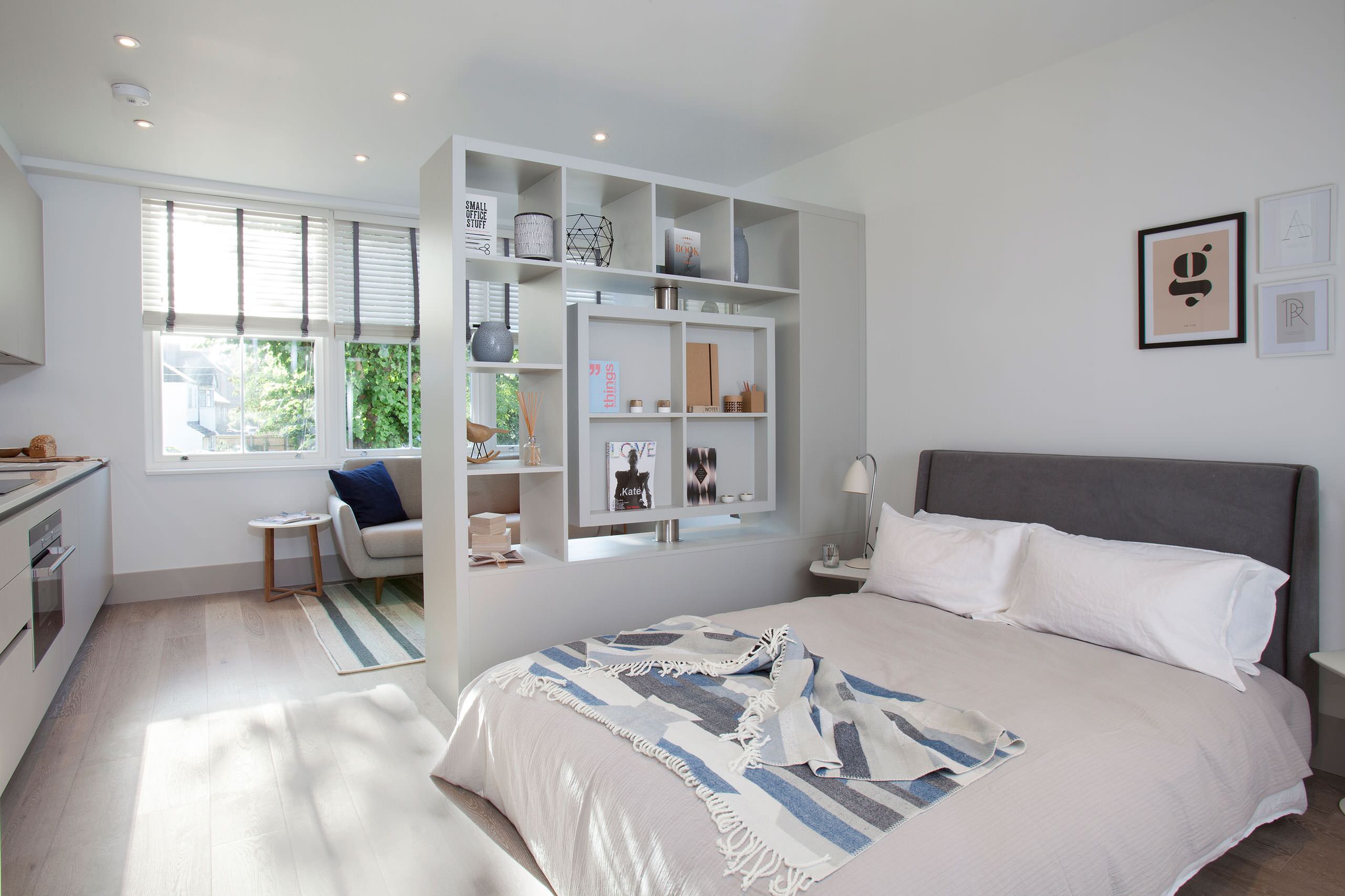
Start With the Bedroom’s Main Jobs
Before organizing, define what the room must support.
Possible functions
- Sleep
- Clothing storage
- Getting dressed
- Work or study
- Reading
- Personal care
- Limited hobby storage
Do not force the bedroom to store unrelated household items if another location makes more sense.
Step 1: Clear the Floor First
A visible floor makes a small room feel calmer and makes cleaning easier.
Start with:
- Clothes on the floor
- Shopping bags
- Boxes
- Shoes
- Items waiting to be put away
Do not organize these piles into nicer piles. Return items to their real homes or decide whether they should remain.
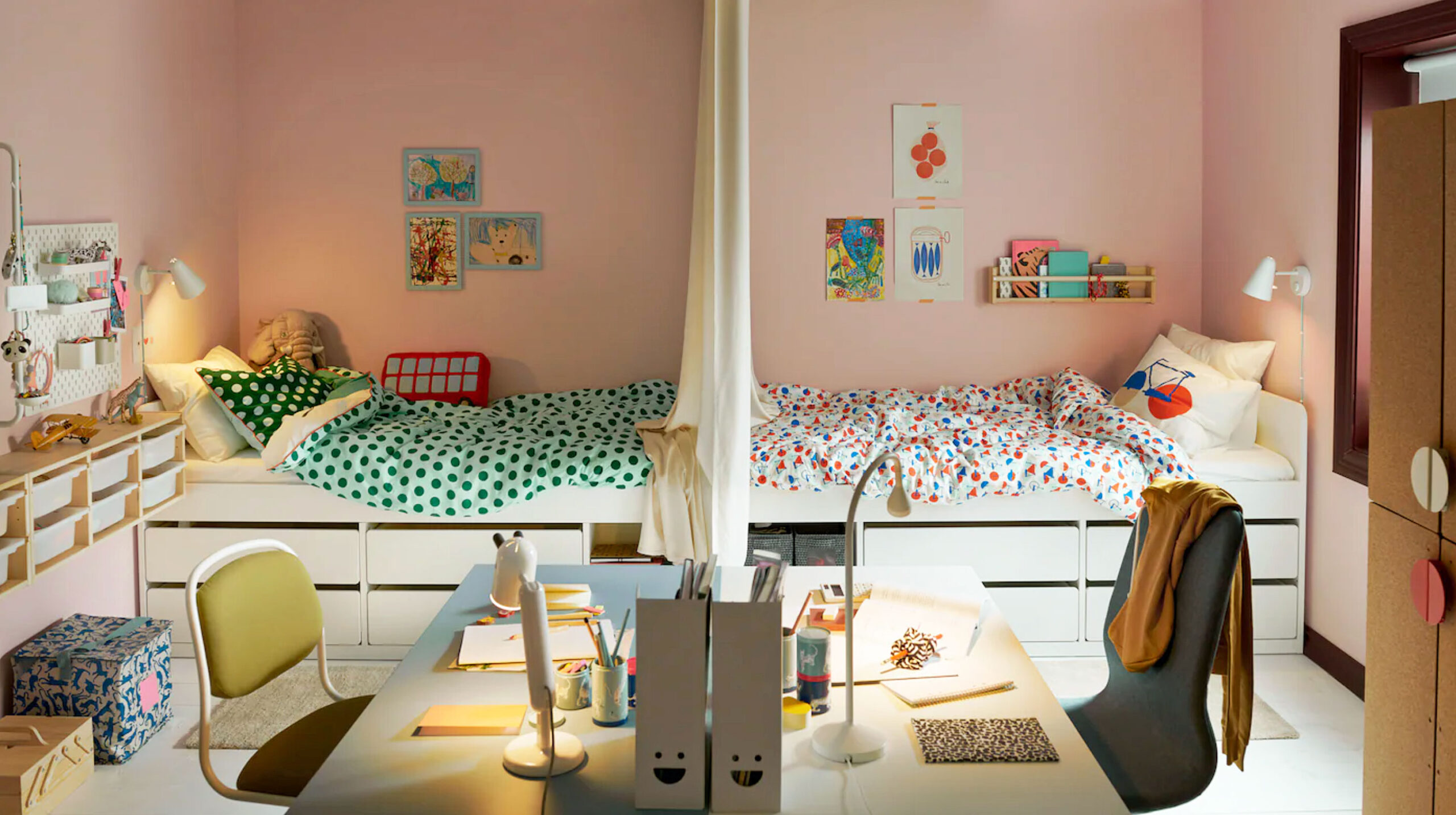
Step 2: Remove Items That Do Not Belong in the Bedroom
Small rooms lose capacity when they become general storage.
Move kitchen supplies, paperwork, tools, bulk household stock, and other unrelated items elsewhere if your home has a more logical location.
Step 3: Edit Clothing Before Adding Storage
If the closet is overfilled, another rack may simply expand the problem.
Review:
- Clothes that no longer fit your life
- Damaged items you will not repair
- Uncomfortable clothing
- Duplicates
- Items not worn in the relevant season
Use our capsule wardrobe guide for a deeper wardrobe plan.
Step 4: Define the Closet Boundary
Your closet, wardrobe, or clothing rack is the primary storage limit. Clothing should generally fit without requiring force or making every item hard to see.
If hangers are tightly packed, remove low-use pieces before buying another rack.
Step 5: Use Under-Bed Space Intentionally
Under-bed storage can be useful in a small room, but it should not become a forgotten archive.
Good uses
- Seasonal bedding
- Off-season clothing
- Occasional-use bags
- Clearly labeled sentimental items
Use containers you already own when possible and avoid storing anything sensitive to dust, moisture, or temperature without suitable protection.
Step 6: Use Vertical Space Before Adding Wide Furniture
Tall furniture can provide more storage per square foot than wide, low pieces, but safety matters.
Secure tall furniture to the wall when manufacturer instructions or household safety needs require it, especially around children. Do not overload shelves beyond their rated capacity.
Use a Walkway and Door-Swing Test
Before adding or moving furniture, test the room as a path rather than as a floor plan. Walk from the doorway to the bed, closet, window and any desk or dresser without turning sideways, stepping over objects, or squeezing around sharp corners. Then fully open the bedroom door, closet doors, drawers and storage lids. If one piece of furniture blocks another every day, the layout is costing more convenience than the storage may be worth.
Measure real usable clearance
A piece of furniture can technically fit against a wall and still make the room difficult to use. Mark the proposed footprint with painter’s tape or temporary objects before purchasing anything. Sit on the bed, open the dresser, pull out the desk chair, and walk the normal route. This simple test helps prevent buying storage that creates a permanent obstacle.
Keep heating vents, windows, outlets, emergency exits and required access clear. Safety and ventilation should take priority over squeezing in another cabinet.

Step 7: Keep the Bed Area Visually Simple
A bed is the largest object in many bedrooms. Too many decorative pillows, blankets, baskets, and bedside items can make the room feel busier.
Keep enough bedding for comfort and climate without creating a daily storage problem.
Step 8: Simplify the Nightstand
Limit the nightstand to items used at bedtime or first thing in the morning.
Possible essentials
- Lamp
- Book
- Water
- Medication stored appropriately
- Phone charger
Receipts, random cables, cosmetics, and paperwork should have other homes.
Step 9: Create a Landing Spot for Daily Clothing
Many bedrooms collect “not dirty enough for the hamper, not clean enough for the closet” clothes.
Choose one hook, chair section, or small rail for these items. Set a limit so the landing spot cannot become a mountain.
Step 10: Control Shoe Storage
Shoes spread easily across a small floor. Keep everyday pairs accessible and less-used shoes in the closet or another logical location.
If your shoe rack is full, use the one-in-one-out rule when buying additional pairs.
Step 11: Use Furniture With More Than One Job
If you already own a bench with storage, desk with drawers, or bed with built-in storage, use those features before adding separate furniture.
When replacing furniture in the future, consider whether one piece can solve two real needs. Do not replace functional furniture solely to create a “minimalist” look.

Step 12: Keep Work Equipment Contained
If the bedroom doubles as an office, give work items a clear boundary.
After work
- Close the laptop.
- Put papers in one folder.
- Return cables to one place.
- Clear the chair.
- Remove work cups and dishes.
Our workspace guide explains how to reduce desk clutter further.
Step 13: Reduce Visible Cables
Use existing furniture placement and cable routes to keep charging cords from crossing walkways. Avoid unsafe extension setups or overloaded outlets.
Electrical safety matters more than appearance. Follow manufacturer instructions and local safety guidance.
Step 14: Use Light and Mirrors Carefully
Natural light and a well-placed mirror can make a bedroom feel more open. Avoid blocking windows with tall storage if another placement works.
Secure large mirrors safely, especially if they are freestanding.
Step 15: Keep Surfaces Partly Empty
Every surface does not need decoration. Leaving part of a dresser or desk clear gives you temporary working space and makes cleaning faster.
A good target is not a percentage; it is enough empty area that the surface remains easy to wipe and use.
Use Seasonal Rotation Instead of Permanent Overflow
If climate creates very different wardrobes or bedding needs, keep current-season items in prime storage and move true off-season items to under-bed space or another defined location. Rotation is useful only when the stored items are clearly labeled and genuinely return to use; it should not become a place to hide clothing you never wear.
Review at every season change
When rotating, examine each returning item before putting it back into the closet. If it no longer fits, is damaged beyond repair, or was not used during the previous relevant season, decide whether it still deserves space. Wash or clean stored textiles as appropriate and make sure everything is dry before packing it away.
Use the rotation point to check the quantity of coats, blankets, shoes and accessories. This prevents four seasons of possessions from competing for the same prime storage all year.
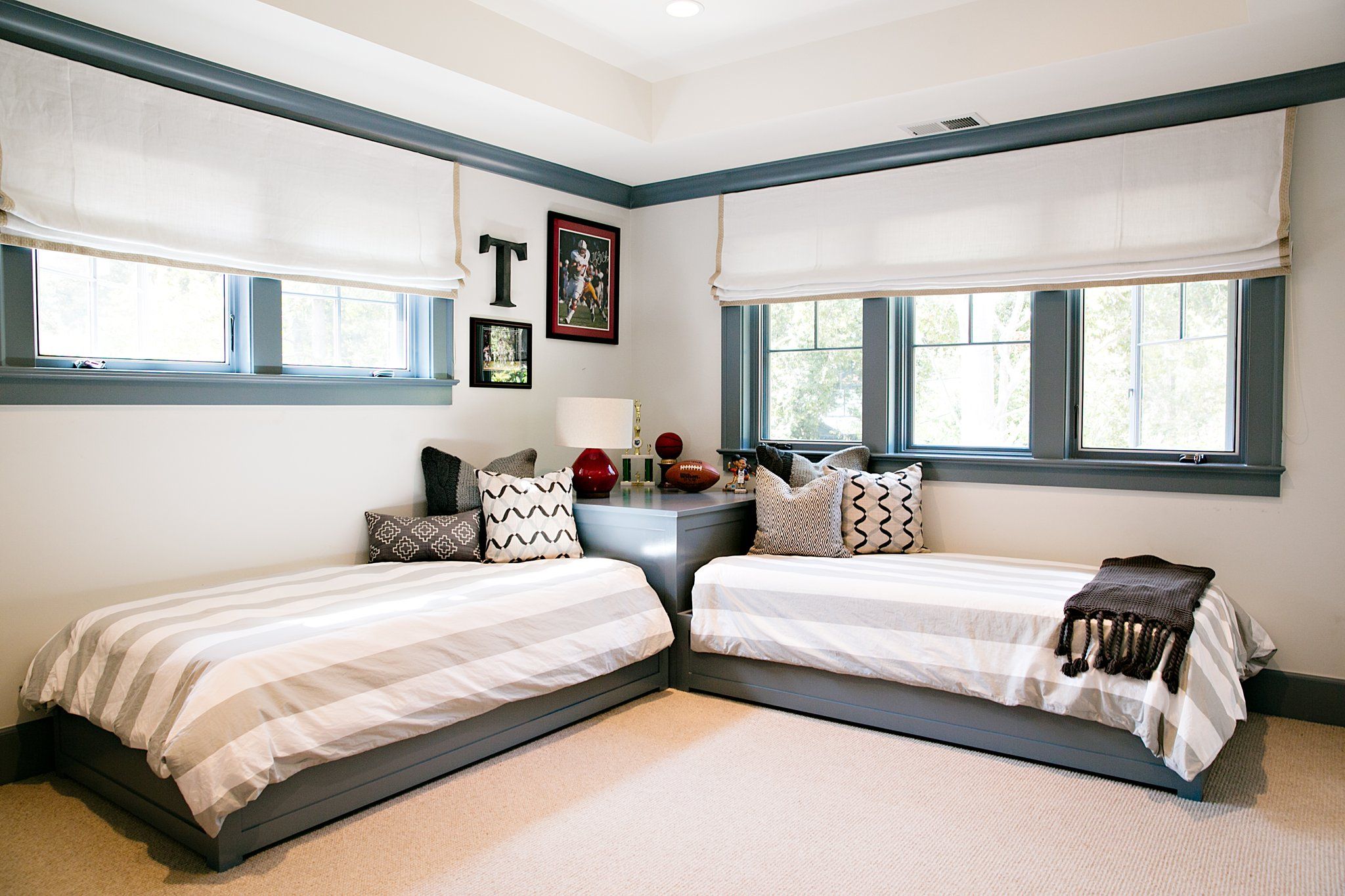
Small Bedroom Storage Zones
| Zone | Purpose |
|---|---|
| Closet/wardrobe | Current clothing |
| Under bed | Seasonal or occasional items |
| Nightstand | Bedtime essentials |
| Desk | Work/study only |
| Hooks | Current-use clothes or bags |
| Top shelf | Low-frequency items |
How to Organize Without Buying Bins
Before purchasing organizers, reuse suitable items:
- Shoe boxes for small accessories
- Existing baskets
- Small product boxes as drawer dividers
- Unused bags for seasonal items
The U.S. EPA encourages reducing and reusing materials before buying replacements. Its household reduce-and-reuse guidance supports using existing goods where practical.
Five-Minute Bedroom Reset
- Put dirty clothes in the hamper.
- Return daily-wear clothing to its hook.
- Clear cups and dishes.
- Reset the nightstand.
- Return work items.
- Clear the floor.
This small routine prevents a full weekend cleanup.
When You Actually Need More Storage
More storage may be justified when:
- The items are genuinely necessary.
- You have already decluttered duplicates.
- The storage solves a specific category.
- It fits safely without blocking movement.
- You know the exact dimensions.
Measure first. A storage unit that technically fits can still make a walkway uncomfortable.
Bedroom Organization for Renters
Check your lease before drilling, mounting shelves, or making wall changes. Use renter-safe options that comply with the agreement.
Do not risk deposit deductions for an organizer you could have avoided.
Common Small Bedroom Mistakes
- Buying furniture before reducing possessions.
- Using the floor as storage.
- Keeping every category in the bedroom.
- Overfilling under-bed space.
- Blocking windows with storage.
- Keeping a chair as a permanent clothing pile.
- Ignoring furniture safety.
Small Bedroom Checklist
- Clear the floor.
- Remove unrelated items.
- Edit clothing.
- Define the closet limit.
- Use under-bed storage intentionally.
- Use vertical space safely.
- Limit nightstand items.
- Create one daily-clothing landing spot.
- Keep surfaces partly clear.
- Do a five-minute reset.
Frequently Asked Questions
Should I buy a storage bed?
Only if you need to replace the bed anyway and built-in storage solves a real problem. Do not replace functional furniture solely to create more storage.
How do I organize a bedroom with no closet?
Use the smallest clothing rack or dresser that fits your actual wardrobe, keep seasonal items elsewhere if possible, and reduce duplicates before expanding storage.
Is under-bed storage a good idea?
Yes when items are clearly defined and accessible. It becomes clutter when you store things there and forget them.
How can I make the room look bigger?
Clear walkways, reduce visible clutter, use natural light, keep surfaces simpler, and avoid unnecessary wide furniture.
What should I organize first?
Start with the floor and clothing because they usually create the largest visual and functional impact.
Conclusion: Protect the Space Before Adding Storage
A small bedroom becomes easier to live in when every major category has a clear boundary. Clear the floor, reduce clothing overflow, use existing vertical and under-bed space, simplify surfaces, and keep work or hobby items contained.
Only buy storage after you know exactly what problem remains. The goal is not to fit more possessions into the room; it is to make the room easier to sleep, dress, move, and live in every day.