
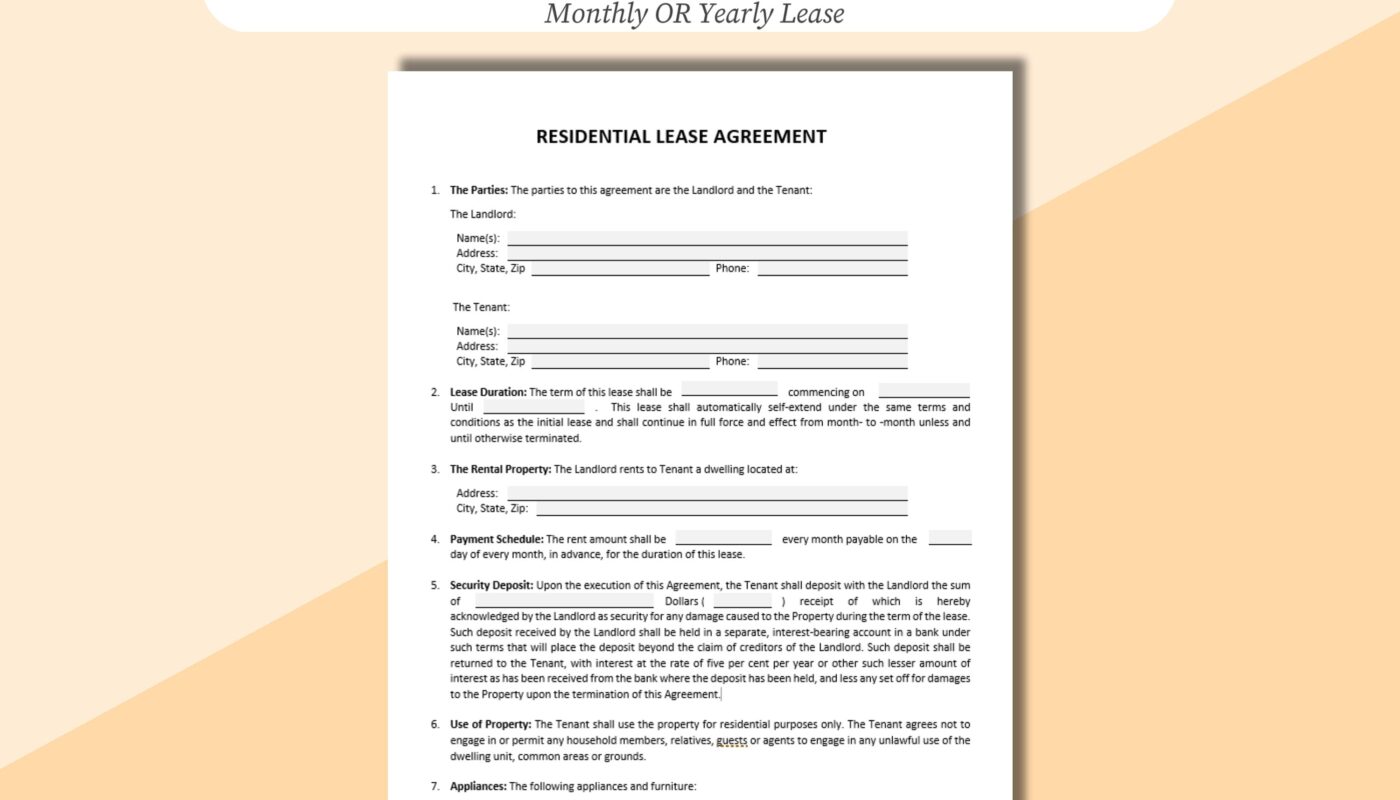
A lease can look like routine paperwork when you are excited to move, but it is a financial and legal agreement that may control your rent, fees, responsibilities, renewal rules, and move-out costs for a year or longer. Reading it carefully before signing can prevent expensive surprises later.
This guide explains how to read a lease before you sign in plain language. It focuses on 20 common lease clauses that deserve attention, how to compare written terms with what the leasing office told you, and when to ask questions before you commit. Laws vary by state and locality, so this article is educational information, not legal advice.
If you are still comparing properties, use our apartment fee comparison guide alongside this checklist.
Why You Should Read the Entire Lease
Many rental disputes begin because one side remembers a conversation differently from what the written lease says. The lease usually contains the enforceable terms, subject to applicable law. If a leasing agent promised free parking, a waived fee, or a repair before move-in, ask for that promise to be included in writing.
The Federal Trade Commission also advises renters to verify listings and be cautious about hidden fees and payment pressure. Its current rental scam guidance is useful before you pay an application fee, deposit, or first month’s rent.
Clause 1: Names of All Parties
Confirm that your name is correct and that every adult who must be a tenant is listed appropriately. Check the landlord, property owner, or management company name and the address where formal notices must be sent.
If a roommate is living in the unit but is not listed where required, you may create a lease violation. Do not rely on assumptions about who is permitted to live there.
Clause 2: Property Address and Included Space
Verify the unit number, parking space, storage unit, garage, mailbox, and any other included areas. If the lease promises a particular parking spot or storage locker, it should be identifiable.
Clause 3: Lease Start and End Dates
Check the exact move-in date and lease expiration date. Make sure you know whether the lease is fixed-term or month-to-month and what happens at the end.
Ask these questions
- Does the lease automatically renew?
- Does it convert to month-to-month?
- How much notice is required if you want to leave?
- Is there a different month-to-month rate?
Clause 4: Base Rent
Confirm the monthly rent amount, due date, grace period if any, and acceptable payment methods. Do not assume an online advertised rent is the final contractual rent if the property used a promotion or concession.
If you received one month free or another concession, read how it is applied and whether you must repay it if you break the lease early.
Clause 5: Mandatory Fees
Look for recurring charges beyond rent: parking, trash, utilities, technology packages, amenities, pest control, pet rent, storage, package handling, or payment-processing fees.
Calculate the total monthly cost rather than focusing only on rent. Our fee worksheet can help you compare rentals on the same basis.
Clause 6: Security Deposit
Review the amount, conditions for deductions, inspection procedures, and how the deposit is returned. Deposit rules vary by jurisdiction, so verify local law if a term looks unusual.
Before move-in
- Photograph the unit carefully.
- Document stains, scratches, broken fixtures, and appliance condition.
- Submit the property’s move-in checklist on time.
- Keep a copy of everything you send.
Clause 7: Late Fees and Returned Payments
Read exactly when a payment becomes late and what fee may apply. Also look for returned-payment fees and consequences of repeated late payments.
If your income timing makes the due date difficult, ask before signing whether the property ever permits another due date. Do not assume it will be changed after you move in.
Clause 8: Utilities
The lease should explain which utilities you pay and how they are billed. Some properties use individual meters; others allocate costs across units using a formula.
Clarify
- Electricity
- Gas
- Water and sewer
- Trash
- Internet
- Heating and cooling
- Common-area or service charges
Ask whether any utility charge is billed by a third-party company and whether administrative fees are added.
Clause 9: Repairs and Maintenance
Understand how to report a repair, what is considered an emergency, and which maintenance tasks are assigned to the tenant. The lease may address bulbs, filters, drains, lawn care, snow removal, pest control, or appliance damage.
Do not accept a verbal promise that a major repair will be completed before move-in unless you are comfortable with the risk. Ask for important pre-move repairs in writing.
Clause 10: Entry by the Landlord
Lease language often addresses when management may enter the unit for repairs, inspections, emergencies, or showings. Local law may establish notice requirements. If privacy is important to you, read this section carefully and verify the rules in your jurisdiction.
Clause 11: Occupancy and Guests
Many leases limit how long a guest can stay before being treated as an unauthorized occupant. This matters if a partner, family member, or friend may stay with you for an extended period.
Ask how the property handles long-term guests and the process for adding an approved occupant later.
Clause 12: Roommates and Joint Liability
If multiple tenants sign the same lease, the agreement may make each person responsible for the full rent and damage, not just an individual share. This is sometimes described as joint and several liability.
Do not assume the landlord will pursue only the roommate who failed to pay. Read the wording and consider a separate roommate agreement for how you will split rent, utilities, deposits, and shared purchases.
Clause 13: Pets and Animals
Check pet deposits, pet rent, breed or size restrictions, number limits, cleaning charges, and rules for common areas. Assistance-animal rules can be different from ordinary pet policies and depend on applicable fair housing law.
If you need a disability-related accommodation, HUD-certified housing counseling may help you understand housing options. HUD describes rental counseling and fair-housing education through its housing counseling network.
Clause 14: Renters Insurance
If insurance is required, check the minimum liability limit, proof requirements, and whether the landlord must be listed as an interested party. Also verify whether you can choose your own insurer.
Our renters insurance guide explains how deductibles, property coverage, liability, and exclusions affect the real value of a policy.
Clause 15: Smoking and Other Conduct Rules
Review smoking, vaping, noise, grills, balconies, common areas, parking, decorations, and other property rules. Community policies may be incorporated into the lease by reference, so ask for copies of all documents you are agreeing to follow.
Clause 16: Alterations and Decorating
Can you paint, install shelves, mount a television, change hardware, or use adhesive hooks? The lease may require written approval or restoration at move-out.
Do not assume a small modification is permitted because another tenant has done it.
Clause 17: Subletting and Assignment
If there is any chance you may need to move early, understand whether subletting or assignment is allowed. Some leases prohibit it; others require approval and fees.
Clause 18: Early Termination
One of the most important sections is what happens if you need to leave before the lease ends.
Look for
- Early termination fee
- Required notice
- Repayment of concessions
- Continuing rent obligations
- Replacement-tenant rules
- Military or other legally protected termination provisions where applicable
Do not assume paying one fee automatically ends every obligation. Read the exact clause.
Clause 19: Renewal and Rent Increase Process
Check when renewal offers are normally provided and how much notice you must give if you decline. If the lease becomes month-to-month, confirm the rate and notice terms.
Start planning several months before expiration so you are not forced into a rushed decision. A budget can help you compare a renewal with moving costs.
Clause 20: Move-Out Requirements
Read cleaning requirements, carpet or floor rules, key-return procedures, final inspection terms, utility responsibilities, and forwarding-address requirements.
Keep photos from move-in and take new photos at move-out. Save receipts for any professional cleaning required by the lease.
Red Flags That Deserve More Questions
- Blank spaces in a document you are asked to sign.
- Fees that were not disclosed during the application process.
- Verbal promises that management refuses to put in writing.
- Pressure to sign immediately without time to review.
- Conflicting rent or lease dates.
- Unclear utility formulas.
- Large nonrefundable payments with vague explanations.
- A lease you cannot download or keep a copy of.
A Simple Lease Review Process
- Read the lease once without signing.
- Highlight money terms.
- Highlight deadlines and notice periods.
- Compare the lease with the listing and written fee disclosure.
- List questions in writing.
- Get important answers in writing.
- Verify local laws if a clause concerns deposits, entry, fees, notice, or tenant rights.
- Save the final signed lease in at least two secure places.
When to Get Outside Help
If you do not understand an important clause, ask before signing. A local tenant organization, legal aid office, licensed attorney, or housing counselor may be appropriate depending on the issue.
HUD’s housing counseling search can connect consumers with participating agencies that provide rental counseling and other housing guidance. Counseling does not replace legal advice, but it can help you understand housing options and barriers.
Frequently Asked Questions
Can I negotiate a lease clause?
You can ask. Whether the landlord agrees depends on the property, market, company policy, and the clause. Any agreed change should be reflected in the final written lease or a signed addendum.
Should I sign if the leasing agent says a mistake will be fixed later?
It is safer to have material errors corrected before signing. If something important is wrong, ask for a revised document.
What if the lease is very long?
Length does not make the terms less important. Break the document into sections and focus on money, deadlines, responsibilities, restrictions, renewal, and termination.
Can a lease include rules in another document?
Yes. Community rules, pet policies, parking rules, and other addenda may be incorporated. Ask for every document referenced before signing.
Is this checklist a substitute for legal advice?
No. Landlord-tenant law varies widely. Use this checklist to identify questions, then seek qualified local help for legal interpretation.
Conclusion: Slow Down Before You Sign
Learning how to read a lease before signing is one of the simplest ways to protect your housing budget. Check the rent, fees, deposits, utilities, repairs, guest rules, insurance, early termination, renewal, and move-out requirements. Compare written terms with what you were told, and ask questions while you still have the option to walk away.
A few extra hours spent reviewing a lease can prevent months of confusion. Keep the signed copy, document the unit at move-in, and treat every important housing promise as something that belongs in writing.