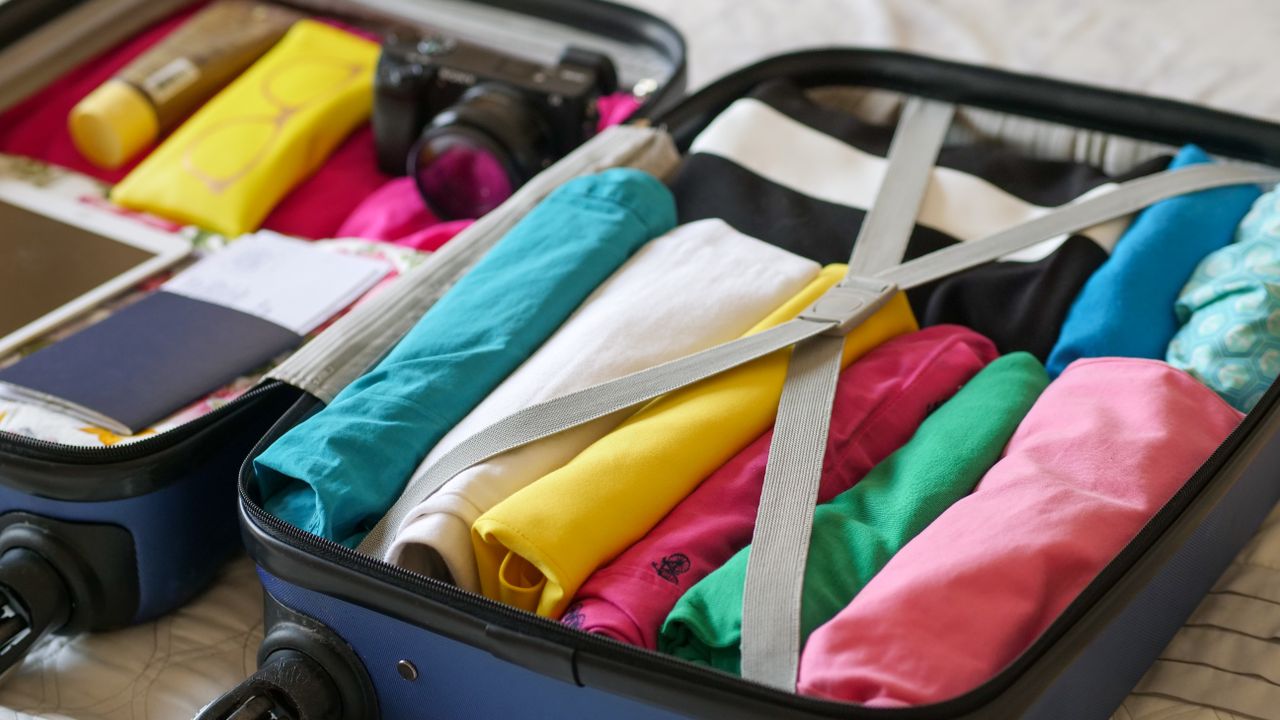
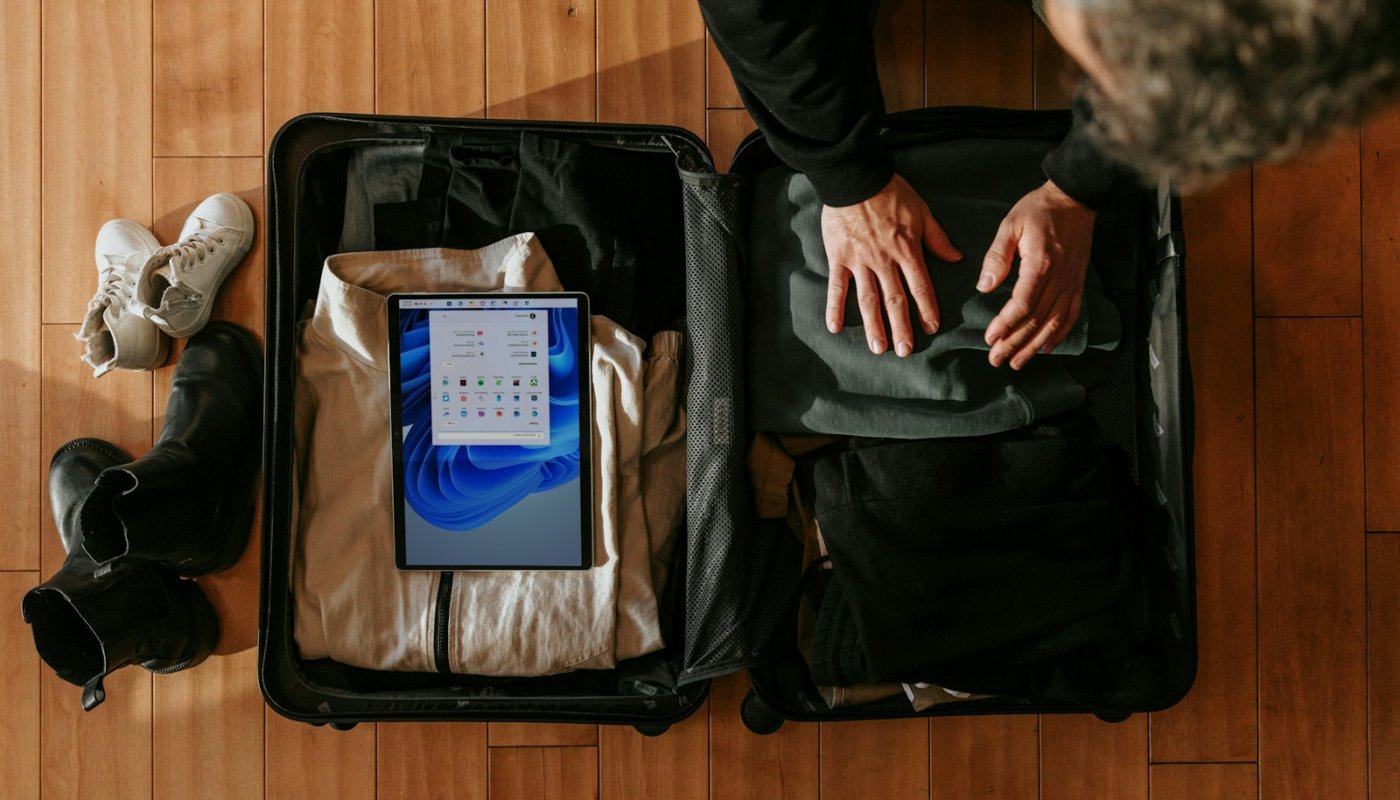
Traveling light is less about clever folding tricks and more about making better decisions before the suitcase opens. The easiest way to reduce luggage is to build a small travel wardrobe around the actual weather, activities, laundry access, baggage rules, and personal needs for your trip.
A lighter bag can make airports, public transportation, stairs, hotel changes, and walking between stations much easier. It may also help you avoid unnecessary baggage fees, but airline size and weight limits vary by carrier, route, and fare. Always check the operating airline’s current baggage policy before departure instead of relying on a generic carry-on rule.
Step 1: Check Baggage and Security Rules First
Do not assume every airline uses the same carry-on dimensions, personal-item size, weight limit, or fee structure. Check your exact booking and the operating airline’s official website. Codeshare flights can make this especially important because the airline operating the flight may have different rules from the company that sold the ticket.
For U.S. airport security, use the Transportation Security Administration’s What Can I Bring? tool for current item rules. Security rules and airline baggage rules are separate: an item can be permitted through security but still fail an airline’s size, weight, or checked-baggage policy.
Step 2: Write a Trip Activity List
Before choosing clothes, list the situations you genuinely expect:
- Travel days
- Walking and sightseeing
- Work, conference, or school activities
- Restaurants or evening events
- Exercise
- Beach, hiking, snow, or other special activities
- Religious or cultural dress requirements where applicable
This prevents packing several dressy outfits for a trip with one formal dinner or carrying outdoor gear for an activity that is not actually planned.
Step 3: Check the Forecast Close to Departure
Climate averages are useful for early planning, but the actual forecast is more helpful when finalizing a bag. Think in layers rather than packing a separate outfit for every possible temperature.
- Base layer
- Mid-layer
- Weather layer such as a rain jacket
- One warmer option when needed
Wear the bulkiest appropriate layer during transit if that improves bag space and remains comfortable.
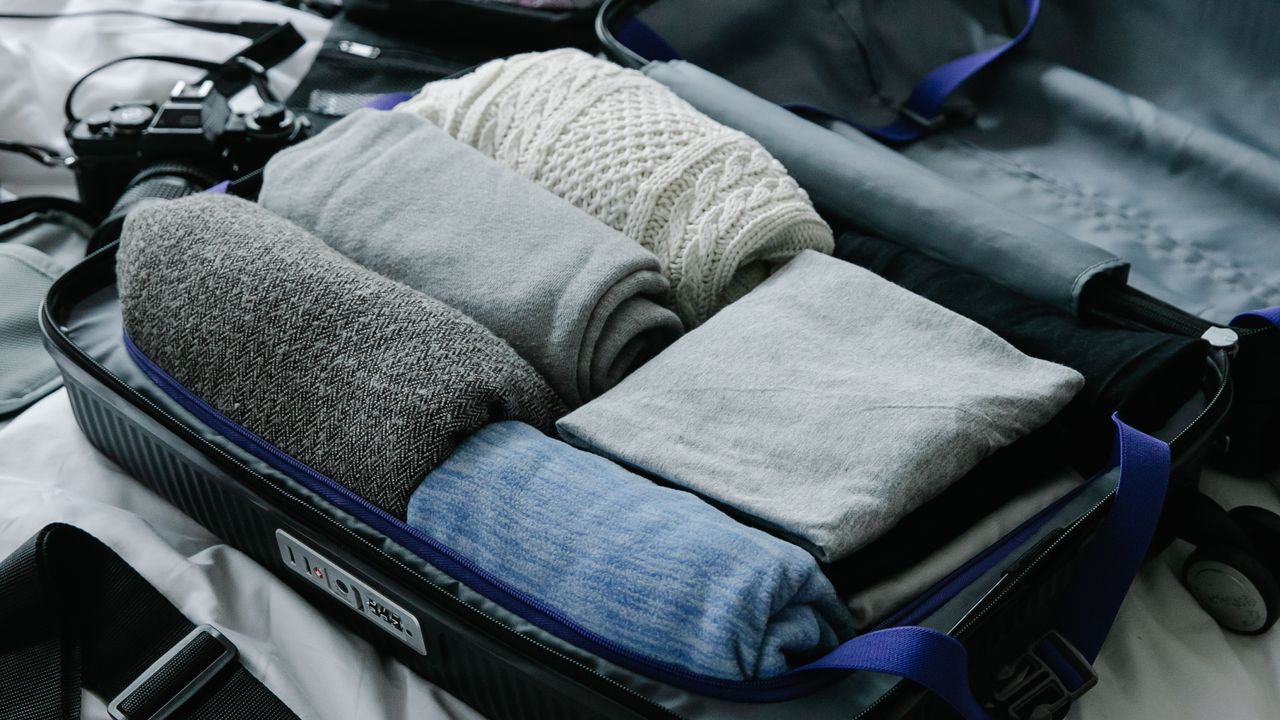
Step 4: Build a Small Mix-and-Match Travel Wardrobe
Choose tops and bottoms that combine easily. You do not need to wear only neutral colors; simply make sure most pieces work with several others.
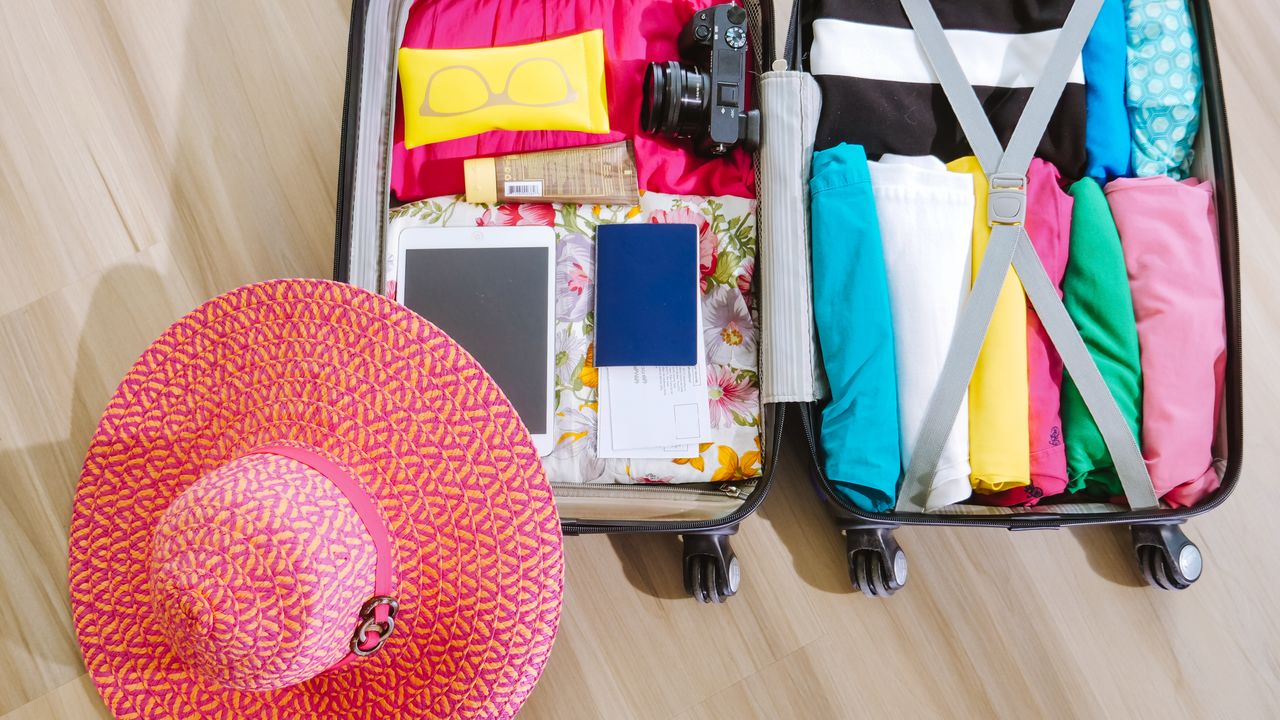
A sample one-week travel wardrobe might include:
- 4–5 tops
- 2–3 bottoms
- 1 layering piece such as a cardigan or overshirt
- 1 weather-appropriate outer layer
- 1 dressier option if needed
- Underwear and socks based on laundry plans
- 1–2 practical pairs of shoes
This is only an example. Hot climates, hiking trips, winter travel, formal work, medical needs, and travel with children can require different quantities. If you want to simplify your everyday clothing too, our capsule wardrobe guide uses the same mix-and-match principle.
Step 5: Use Trip Length and Laundry Access to Set Quantities
Do not automatically pack one complete outfit for every day. Laundry access changes the math. A ten-day trip with one reliable laundry session can sometimes use a wardrobe similar in size to a five-day trip. On the other hand, a short trip with uniforms, formal events, heavy rain, or specialized activities may require more pieces.
Plan underwear and socks around hygiene, climate, activity level, and realistic laundry access rather than an arbitrary minimalist number. If you intend to wash clothes in a sink, test the fabric at home first; some garments take far longer to dry than expected. Hotel laundry, apartment washing machines, and local laundromats can be worth using when they allow you to carry a much smaller bag.
Step 6: Limit Shoes Early
Shoes consume a disproportionate amount of luggage space. Start with the activities that truly require specialized footwear. For many city trips, one comfortable walking pair plus one alternate pair may be enough. Hiking, formal events, winter conditions, or water activities can change that.
Wear the bulkiest pair in transit when practical. Pack shoes in a way that keeps soles away from clean clothing, and use empty shoe space for small non-fragile items only when that does not damage them.
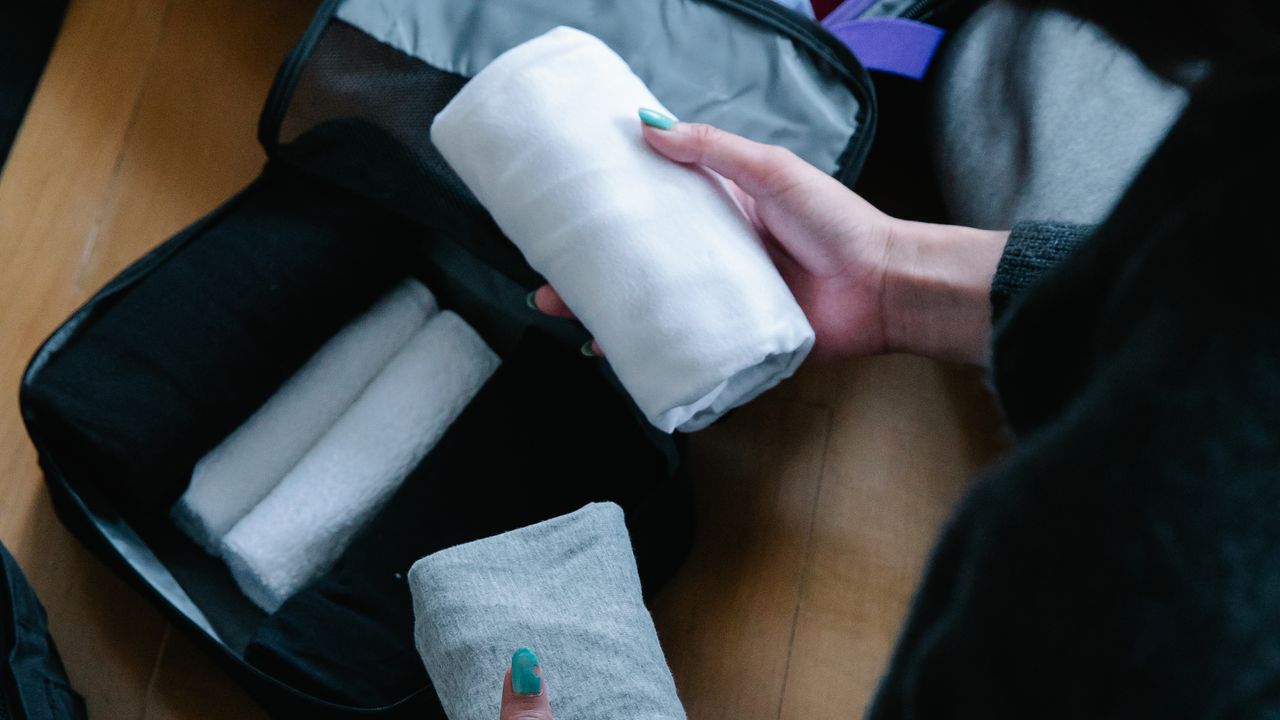
Step 7: Use Packing Cubes for Organization, Not Magic Compression
Packing cubes can separate categories, prevent you from unpacking the entire bag, and make repacking faster. Compression cubes may reduce the volume of soft clothing, but they do not reduce weight. Over-compressing can simply make it easier to exceed an airline weight limit.
Useful cube categories include everyday clothes, underwear and socks, sleepwear, electronics, and an empty cube or reusable bag for laundry.
Step 8: Downsize Toiletries Carefully
Do not carry full-size products for a short trip unless you genuinely need them. Use small reusable containers or travel-size products, and confirm current security rules before flying.
Common items travelers can often reduce include shampoo, conditioner, body wash, skincare, toothpaste, and hair products. Keep medication according to applicable travel and security requirements; do not repackage prescription medicine in a way that creates identification, storage, or dosing problems.
Step 9: Build a Small Electronics Kit
Electronics multiply quickly through chargers, adapters, power banks, headphones, cameras, tablets, and cables. Ask whether one device can perform several jobs.
- One compact charger with enough ports
- Only the cables your devices actually use
- A travel adapter when required
- A power bank if genuinely useful
- Headphones
Check current airline and security rules for batteries and power banks because lithium-battery restrictions can differ between carry-on and checked baggage.
Step 10: Keep Critical Items With You
Even if you check a bag, keep essential and difficult-to-replace items in your personal item or carry-on when rules permit:
- Passport or identification and travel documents
- Wallet and phone
- Prescription medication
- Essential valuables
- Critical chargers
- One simple change of clothing when useful
Do not put essential medication or irreplaceable documents in a bag that may be delayed. Store secure digital copies of important travel information where appropriate, and keep emergency contact details available even if your phone is lost or has no service.
Step 11: Create a Critical-Items Backup Plan
Light packing should never mean having no backup for something truly important. Before departure, know how you would handle a lost phone, missing wallet, delayed checked bag, or misplaced travel document. Keep important account and emergency information securely accessible without depending on a single device.
If you travel with another trusted adult, consider whether separating one payment method or a copy of key itinerary information makes sense. Do not split prescription medicine in a way that violates rules or creates safety problems. The goal is resilience, not carrying duplicates of everything.
Step 12: Pack, Then Remove the Weakest “Just in Case” Items
After the first packing pass, review every item that entered the bag because of a vague “maybe.” Ask what would realistically happen if you needed it and did not bring it. If the consequence is simply repeating another outfit or buying an inexpensive common item locally, it may not deserve the space.
Do not remove medically necessary items, safety equipment, required work gear, or realistic weather protection just to achieve a smaller bag.
Step 13: Weigh and Carry-Test the Bag at Home
Weigh the packed bag if your carrier has a weight limit. Then carry it around your home, lift it to approximately overhead-bin height if appropriate, and walk a short distance. If it is uncomfortable before the trip begins, it will not become easier after a long travel day.
Plan the Return Trip Before You Leave
A suitcase that closes only because every compression cube is packed to its absolute limit leaves no room for dirty laundry, paperwork, or a small purchase during the trip. Leave a little flexibility on the outbound journey. You do not need to reserve half the suitcase for souvenirs; simply avoid designing a system that fails if one item is packed differently on the way home.
Keep return-day essentials accessible rather than burying them under laundry. Recheck airline and security rules if you buy liquids, batteries, sharp objects, or other regulated items during the trip because something purchased legally at the destination may still need to be packed in a specific way for the flight home.
Travel-Light Packing Checklist
- Check airline dimensions, weight, and fees.
- Check current security restrictions.
- List actual trip activities.
- Review weather close to departure.
- Build mix-and-match outfits.
- Set quantities using trip length and laundry access.
- Limit shoes.
- Downsize toiletries.
- Consolidate chargers and cables.
- Keep documents and medication accessible.
- Remove weak “just in case” items.
- Leave a little return-trip flexibility.
- Weigh and carry-test the bag.
Common Packing Mistakes
- Packing a separate outfit for every day without considering laundry
- Bringing too many shoes
- Using compression to hide overpacking
- Ignoring baggage rules until the airport
- Packing full-size toiletries unnecessarily
- Carrying duplicate electronics without a purpose
- Checking essential medication or travel documents
- Buying specialized travel gear before trying what you already own
- Leaving no room to repack the bag on the return journey
Frequently Asked Questions
Is rolling clothes better than folding?
Both can work. Rolling may organize some soft items efficiently, while folding works better for some structured garments. The largest space savings generally come from bringing fewer items.
Are packing cubes worth it?
They can be useful for organization and fast repacking, but they are not necessary. Compression reduces volume, not weight.
How many shoes should I pack?
Bring the fewest pairs that safely cover your real activities. Many leisure trips can work with one walking pair and one alternate pair, but specialized activities may require more.
Can I travel for a week with a carry-on?
Many travelers can, especially with mix-and-match clothes and laundry access. The answer depends on climate, activities, medical needs, airline rules, and personal comfort.
What should never go in checked luggage?
Keep essential medication, travel documents, valuables, and items you cannot easily replace with you when security and airline rules permit.
Conclusion
Traveling light becomes much easier when you pack by function instead of fear. Check the rules, list your real activities, build a coordinated wardrobe, limit bulky items, plan laundry, protect critical belongings, and leave enough flexibility to repack comfortably.
The goal is not to win a minimalist packing challenge. It is to carry what you genuinely need with less weight, fewer decisions, and less stress throughout the trip.