Decluttering can make a home feel calmer for a few weeks, but clutter often returns because the flow of new items never changes. Clothes, kitchen tools, books, toys, decor, beauty products, and “just in case” purchases slowly refill the space you worked hard to clear.
The one-in-one-out rule is a simple maintenance system: when a new item enters a chosen category, one existing item leaves. The rule is not meant to force waste or make you throw away useful belongings. It is a way to keep the number of possessions within the storage space you already have.
If you are still in the initial decluttering stage, start with our beginner decluttering guide. This article focuses on what happens after the big cleanup.
What the One-In-One-Out Rule Actually Means
The basic idea is simple: add one, remove one. But you decide which categories use the rule and what “remove” means.
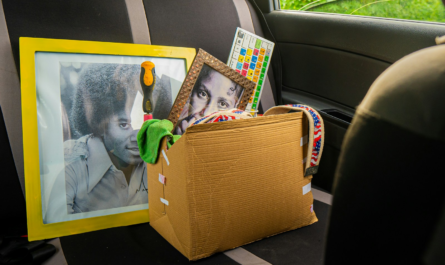
An item can leave by:
- Donation
- Sale
- Gift to someone who wants it
- Recycling where appropriate
- Responsible disposal if broken or unsafe
The U.S. EPA encourages reducing, reusing, repairing, selling, and donating usable goods before disposal. Its current reduce, reuse and recycle guidance provides practical household ideas.
Why the Rule Works
Most homes have a physical storage limit. When possessions continue entering faster than they leave, shelves, drawers, closets, and surfaces become overloaded.
One-in-one-out creates a pause before buying. You are no longer asking only, “Do I want this?” You are also asking, “What will this replace?”
Step 1: Choose the Categories That Actually Overflow
Do not apply the rule to everything immediately.
Good starting categories
- Clothing
- Shoes
- Mugs
- Water bottles
- Books
- Toys
- Beauty products
- Kitchen gadgets
- Decor
- Bags
Choose two or three categories where clutter repeatedly returns.
Step 2: Define the Storage Boundary
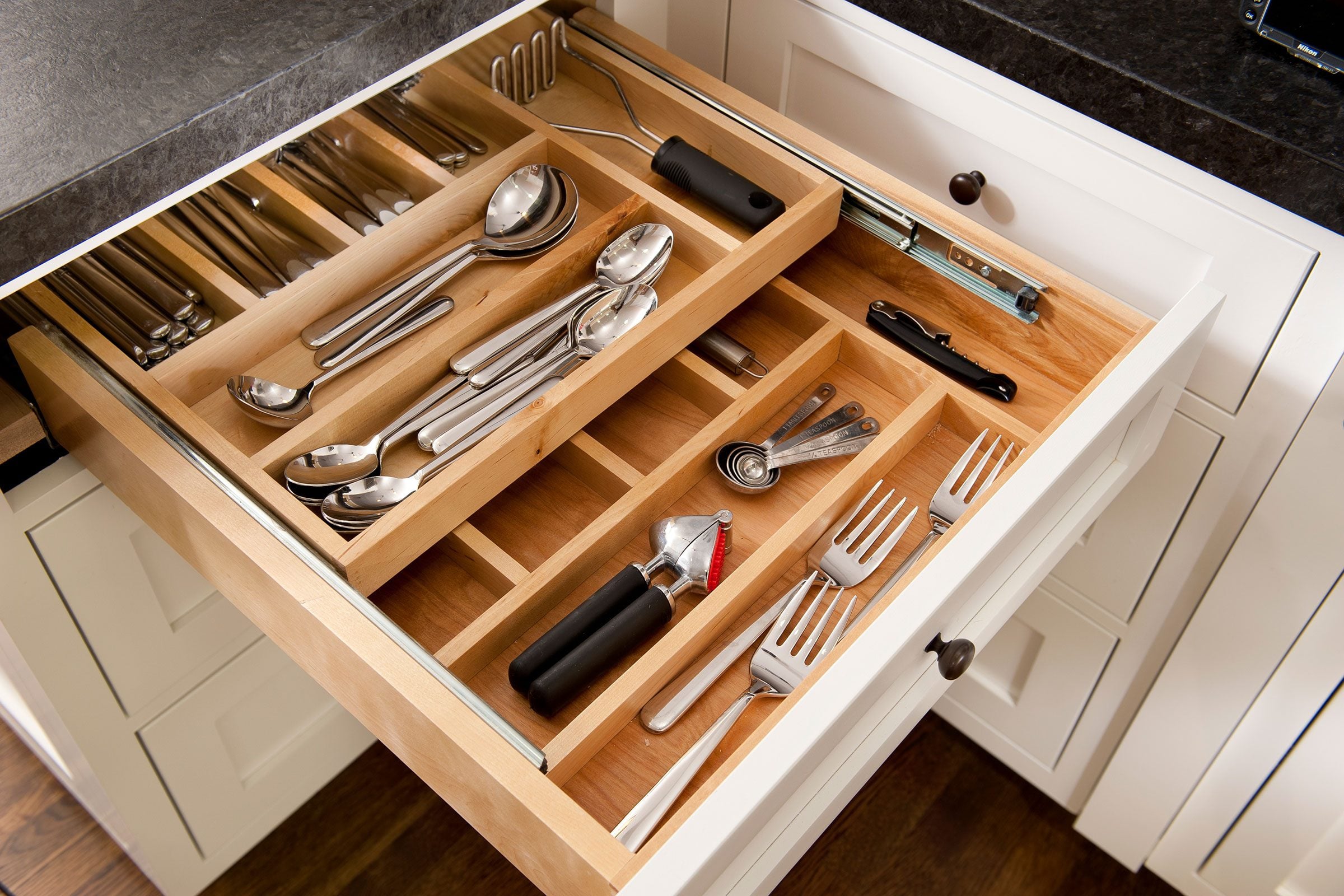
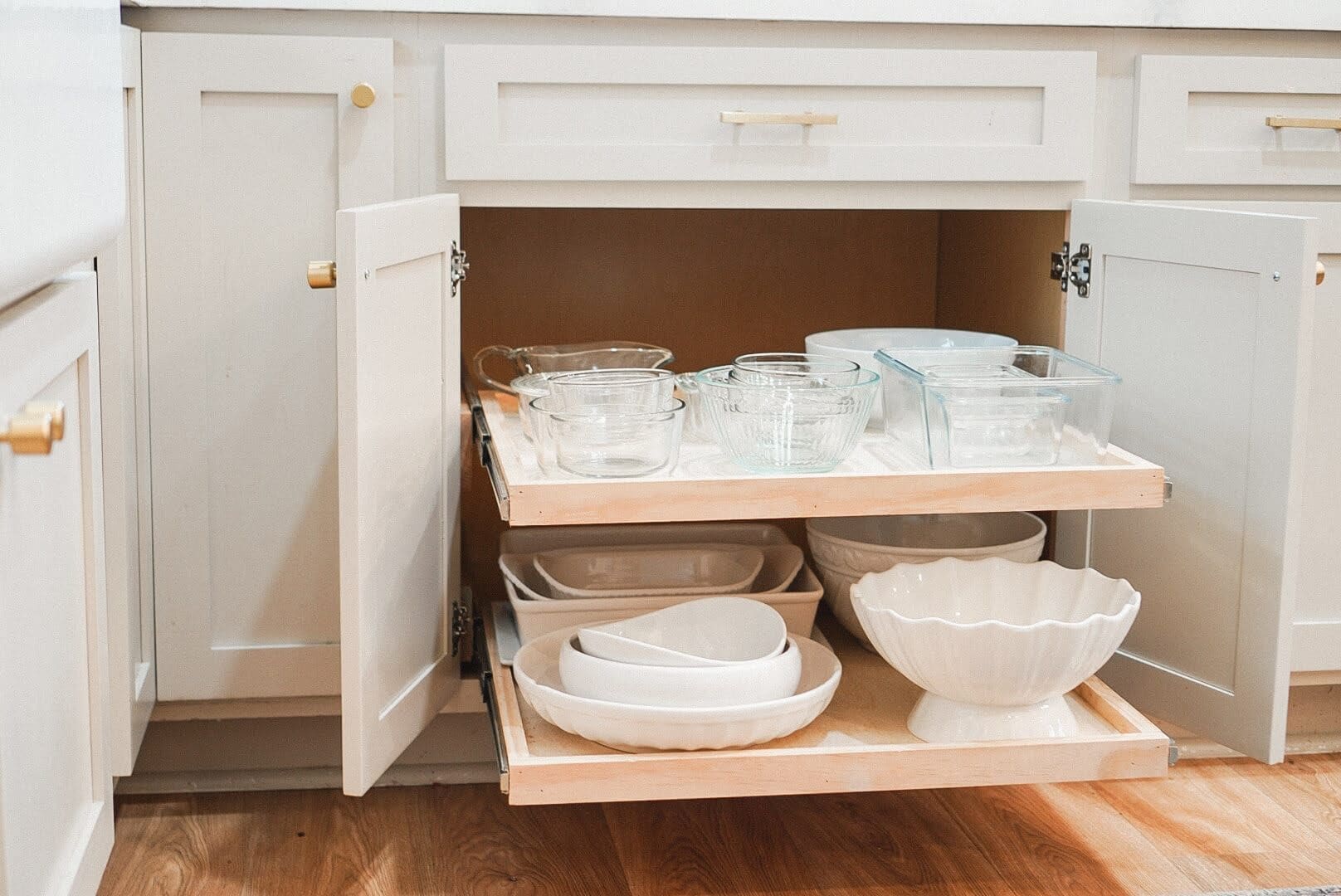
The rule works better when the category has a clear home.
Examples:
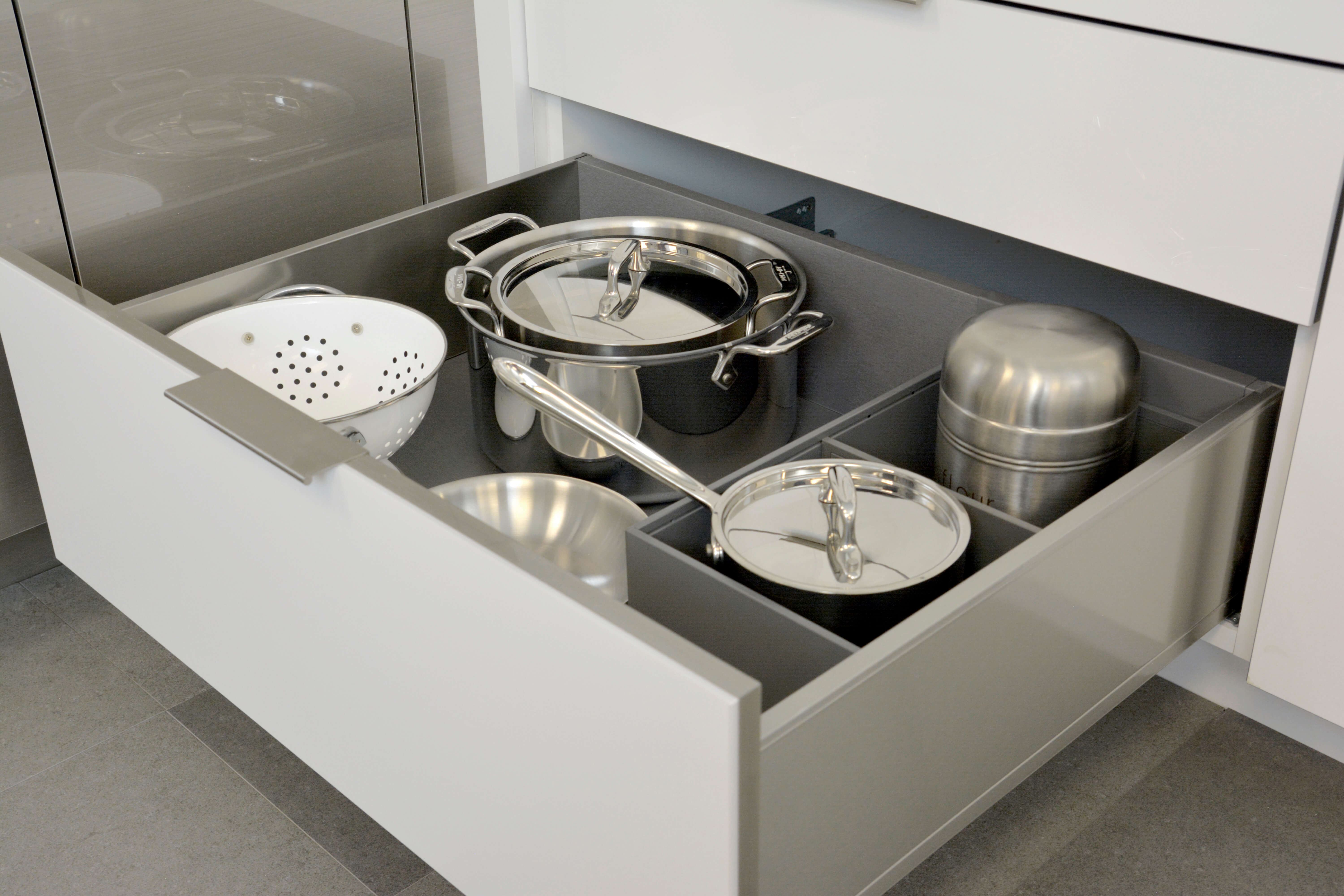
- All mugs fit on one shelf.
- All everyday shoes fit on one rack.
- All towels fit in one cabinet.
- All books fit on one bookcase.
The container becomes the limit. You do not need to invent a perfect number.
Step 3: Use Replacement Thinking
When buying something new, decide what role it replaces.
A new winter coat may replace a worn coat. A new pan may replace one with damaged coating. A new pair of work shoes may replace shoes that can no longer be safely worn.
This makes purchasing more intentional and prevents “upgrade stacking,” where you keep every old version after buying a new one.
Step 4: Do Not Remove Useful Items Just to Follow the Rule
If you buy a needed item and nothing in the category should leave, the rule may not fit that situation.
Examples include:
- A child moving into a new clothing size.
- Starting a job that requires uniforms.
- Adding a medical or accessibility item.
- Setting up a household for the first time.
Minimal living should support your life, not create arbitrary restrictions.
Step 5: Create a Small Exit Basket
Keep a bag or basket for items ready to donate or sell. When the container fills, schedule the exit.
Do not let the donation box become permanent storage. Set a weekly or monthly reminder.

Step 6: Handle Gifts Differently
You cannot control every item entering your home. Gifts can create guilt because you may feel obligated to keep them forever.
Appreciate the intention without assuming permanent storage is required. If a gift is useful, keep it. If it is not, pass it on responsibly when appropriate.
Step 7: Use a Waiting Period Before Buying
The one-in-one-out rule is more powerful when combined with a 24- or 48-hour pause for nonessential purchases.
During the wait, ask:
- What will this replace?
- Do I already own something that does the job?
- Where will it live?
- Would I still want it at full price?
Pair One-In-One-Out With a Purchase Gate
Before a nonessential item enters the home, require it to pass four simple checks. First, wait at least 48 hours unless the purchase is genuinely time-sensitive or essential. Second, name the item it replaces or explain why the category needs to grow. Third, identify the exact shelf, drawer, hook or storage space where it will live. Fourth, decide the exit route for the item leaving—donate, sell, recycle, repair for someone else, or responsibly dispose.
This purchase gate prevents the rule from becoming “buy one, throw something away.” The goal is to slow intake, not create more consumption. If you cannot name a replacement and the category already fits its storage boundary comfortably, the new purchase may simply be an addition rather than a need.
Use a replacement list for planned purchases
Keep a short note of items that truly need replacement because they are worn, broken, unsafe, uncomfortable or no longer functional. When a sale appears, check the list instead of browsing for something to remove later. This keeps one-in-one-out focused on maintenance rather than constant upgrading.
Step 8: Repair Before Replacing
One-in-one-out should not become an excuse for constant upgrades.
The EPA’s current waste guidance emphasizes repair and reuse before replacement. A zipper, button, lamp switch, or furniture joint may be repairable for much less than replacement.
Step 9: Track High-Risk Categories
You do not need an inventory of everything. But if one category repeatedly grows, make a simple note of new purchases for a month.
You may discover that clutter is driven by sale shopping, convenience purchases, subscriptions, gifts, or a specific hobby.
Step 10: Use “One In, Two Out” Only Temporarily
If a category is still overcrowded, you can temporarily use one-in-two-out until it fits the storage limit.
Do not keep this as a permanent rule if it creates pressure to discard useful items.
One-In-One-Out for Clothing
Clothing is a natural category because closets have clear limits.
Before adding a garment
- Check whether you already own a similar item.
- Identify what role the new item serves.
- Remove something worn out, uncomfortable, or unused.
- Repair useful clothing where practical.
Our capsule wardrobe guide can help you build outfits around what you already own.
One-In-One-Out for the Kitchen
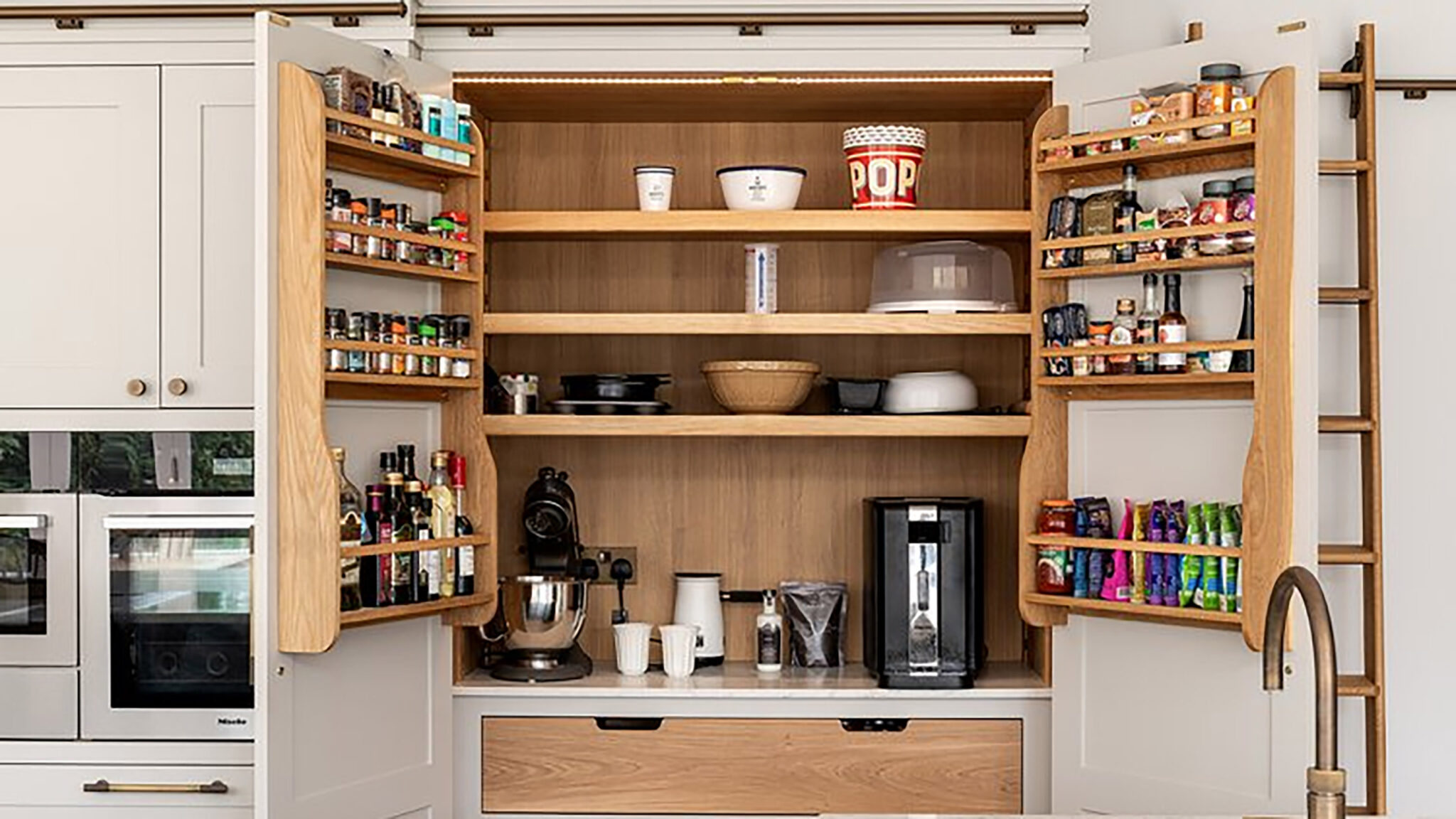
Kitchen clutter often grows through duplicate tools and containers.
Before buying a gadget, ask:
- What task does it perform?
- Do I already own a tool for that task?
- Where will it be stored?
- Will I use it often enough to justify the space?
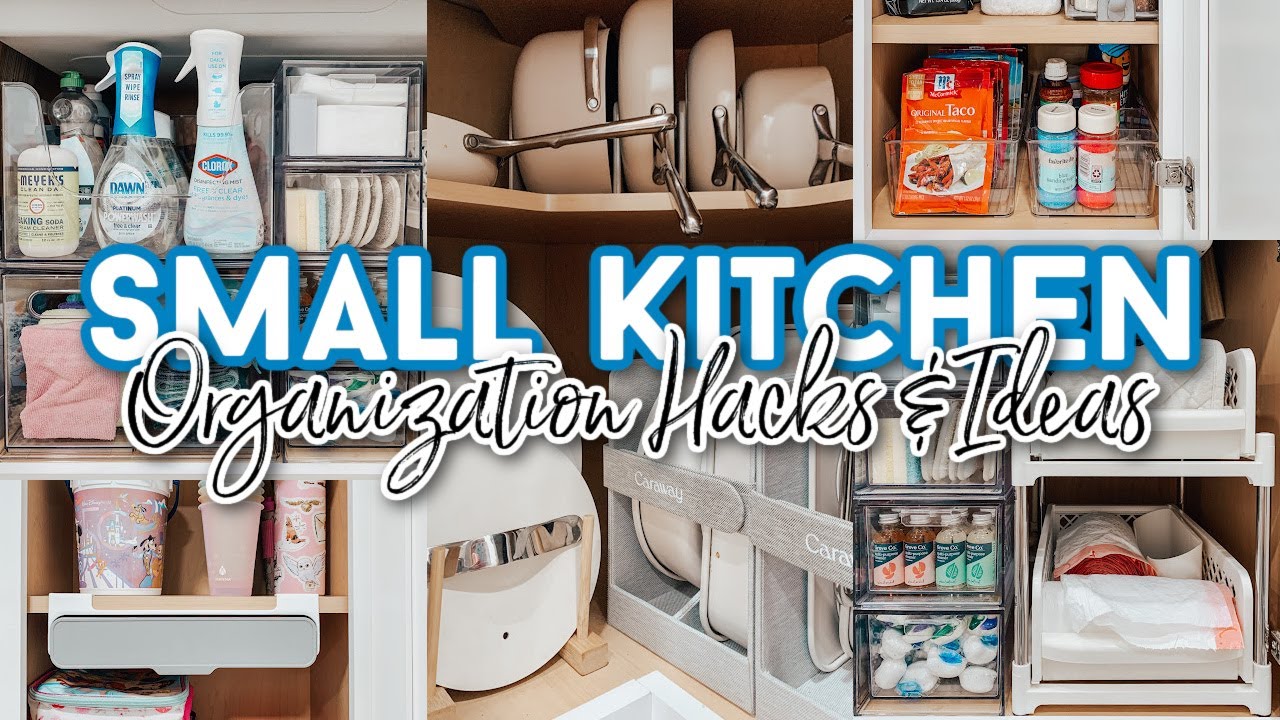
For a broader no-spend organization system, see our kitchen organization guide.
One-In-One-Out for Kids’ Items
Children’s needs change quickly, so a strict one-for-one count may not fit. Use the concept more flexibly.
At size changes or birthdays:
- Remove outgrown clothing.
- Donate toys no longer used.
- Keep favorite and developmentally appropriate items.
- Store only true hand-me-downs you expect to use.
One-In-One-Out for Books
Book lovers may dislike the idea of removing a book for every new one. You can instead use a shelf boundary.
When the shelf is full, decide whether to reread, lend, donate, or use the library for future books.
One-In-One-Out for Digital Purchases
The same principle can apply digitally: remove unused apps before installing more, unsubscribe from one newsletter before adding another, or clean an old folder before adding a new storage system.
For deeper digital habits, see our digital minimalism guide.
Monthly Maintenance Routine
Once a month, spend 15 minutes checking your chosen categories.
- Return items to their storage homes.
- Remove obvious broken items responsibly.
- Move donation items out.
- Check whether the category still fits its boundary.
- Notice what keeps entering.
When the Rule Does Not Work
The one-in-one-out rule is not useful when:
- Your household is growing.
- You are setting up a first home.
- You are replacing items after a disaster.
- You have medical or disability-related needs.
- The category naturally changes by season.
Use the principle of intentional intake rather than forcing a perfect count.
Common One-In-One-Out Mistakes
- Throwing away useful items instead of donating or repairing.
- Using the rule as permission to shop constantly.
- Applying it to every category at once.
- Keeping donation bags indefinitely.
- Removing cheap essentials to justify expensive upgrades.
- Ignoring the actual storage boundary.
Simple One-In-One-Out Checklist
- Choose 2–3 clutter-prone categories.
- Define their storage limit.
- Pause before buying.
- Name what the new item replaces.
- Repair when practical.
- Donate or sell usable items responsibly.
- Empty the exit basket regularly.
- Review monthly.
Frequently Asked Questions
Do I have to throw something away every time I buy something?
No. “Out” can mean donate, sell, give away, recycle, or responsibly dispose. The rule should not create unnecessary waste.
What if I need both the new and old item?
Keep both if they serve real needs and fit your space. The rule is a maintenance tool, not a law.
Does this rule save money?
It can reduce impulse purchases by making you consider what a new item replaces, but savings depend on your buying habits.
How do I use the rule with gifts?
Evaluate the gift like any other item. Keep useful gifts and release items that do not fit your life when appropriate.
Should I use one-in-two-out?
Only temporarily if a category is overcrowded and you can remove items responsibly.
Conclusion: Control the Flow, Not Just the Clutter
The one-in-one-out rule works because it addresses what happens after decluttering. Choose a few categories, define the storage boundary, pause before buying, and let new items replace rather than simply add.
Use the rule flexibly. Repair useful items, donate responsibly, and make exceptions when life requires them. The goal is a home whose possessions remain manageable without repeating a major decluttering project every few months.