
Paying off debt is not only a math problem. It is also a behavior and cash-flow problem. One person may stay motivated by eliminating small balances quickly. Another may be willing to wait longer for visible progress if it means attacking the highest interest rate first.
This guide compares debt snowball vs. debt avalanche in practical terms. You will learn how each method works, which one may save more interest, which one may feel more motivating, how to build a payoff list, and when neither method should come before essential expenses or emergency savings.
This article is educational and does not replace individualized financial advice. If your debt involves legal collection, foreclosure, repossession, or insolvency issues, qualified professional help may be appropriate.

What Is the Debt Snowball Method?
The debt snowball method focuses extra payments on the smallest balance first while you continue making required minimum payments on all other debts.
When the smallest balance is paid off, you roll that payment into the next-smallest debt. The amount available for the target debt grows over time, creating a “snowball.”
Example order
- $450 medical payment plan
- $1,200 credit card
- $3,500 personal loan
- $7,000 credit card
The interest rate does not determine the order.

What Is the Debt Avalanche Method?
The debt avalanche method targets the highest interest rate first while maintaining minimum payments on all other debts.
Example order
- 29% credit card
- 22% credit card
- 13% personal loan
- 6% loan
This approach generally prioritizes reducing the most expensive interest first.
What the CFPB Says About the Two Strategies
The Consumer Financial Protection Bureau describes both the snowball method and the highest-interest-rate method in its debt reduction guidance. CFPB notes that the highest-interest method can save money over time, while the snowball method can provide quicker visible progress but may cost more in interest.
The important point is that both methods require minimum payments to remain current while extra money is directed to one target.
Step 1: List Every Debt
Create one table with:
- Creditor
- Current balance
- Interest rate
- Minimum payment
- Due date
- Promotional-rate expiration if applicable
Do not start with a strategy before you know what you owe.
Step 2: Make Minimum Payments the Baseline
The snowball and avalanche methods describe where extra money goes. They do not mean ignoring the minimum payment on other accounts.
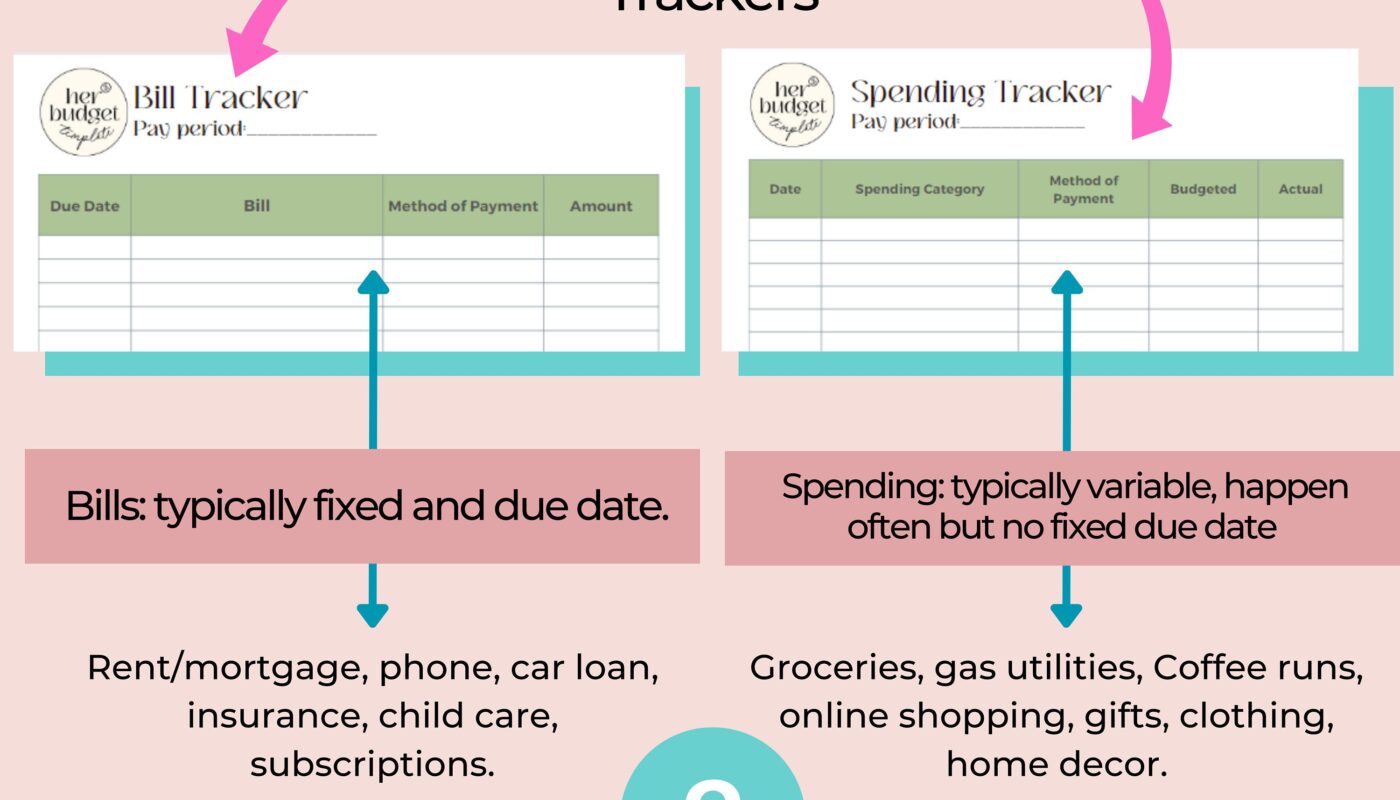
Late payments can create fees, collection activity, and other consequences. Use our bill calendar guide to track due dates.
Step 3: Find a Sustainable Extra Payment
Review the monthly budget and choose an amount you can repeat.
An extra $75 paid consistently can be more useful than promising $300 and abandoning the plan after one month.
Possible sources include:
- Subscription cuts
- Reduced dining out
- Temporary extra income
- Tax refund allocation
- Sale of unused items
- Lower recurring bills
Step 4: Protect Essential Expenses
Do not send rent, food, medication, insurance, or required utility money to extra debt payments simply to follow a payoff challenge.
A debt strategy should improve stability, not create new overdue bills.
Step 5: Keep a Starter Emergency Buffer
If every unexpected expense goes back onto a credit card, debt payoff can become a loop. Even a modest emergency reserve may reduce the need to borrow again.
The CFPB’s emergency fund guidance explains how dedicated savings can help cover unplanned expenses.
See our emergency fund article for a practical setup.

Snowball Advantage: Faster Wins
Paying off a small balance can reduce the number of monthly bills quickly. That may feel motivating and simplify cash flow.
For someone who has struggled to stay engaged with a debt plan, visible progress can be valuable.
Snowball Disadvantage: Potentially More Interest
If your smallest debt has a low interest rate while a larger balance has a very high rate, the high-rate debt continues generating expensive interest while you focus elsewhere.
This can increase total interest paid compared with an avalanche approach.
Avalanche Advantage: Interest Efficiency
By targeting the highest rate, you attack the debt costing the most per dollar owed. When balances and payments are similar, this often reduces total interest and may shorten payoff time.
Avalanche Disadvantage: Progress Can Feel Slow
If the highest-rate debt has a large balance, months may pass before an account reaches zero. Some people lose motivation because the number of bills does not fall quickly.
Example Comparison
| Debt | Balance | Rate | Minimum |
|---|---|---|---|
| Card A | $700 | 18% | $35 |
| Card B | $3,000 | 29% | $95 |
| Loan | $2,000 | 10% | $85 |
Snowball order: Card A → Loan → Card B.
Avalanche order: Card B → Card A → Loan.
The snowball produces a quick first payoff. The avalanche targets the most expensive rate immediately.
Calculate the Psychological Cost of Too Many Open Balances
Interest is measurable, but complexity also has a cost. A person managing eight small balances may have eight due dates, eight minimum payments, eight login accounts, and more opportunities for a missed payment. If one very small debt can be eliminated in one or two months, a hybrid strategy may simplify the system enough to improve consistency.
Before switching away from an avalanche, compare the trade-off. If the high-rate card is dramatically more expensive than the small balance, continue directing most extra money to the high-rate debt and consider whether the small debt can be cleared with a one-time windfall instead. If rates are close, eliminating one tiny account first may have little mathematical cost while reducing monthly mental load.
Recalculate after every payoff
Whenever a balance reaches zero, update the remaining balances, minimum payments, rates, and extra-payment amount. Roll the freed minimum into the next target and confirm that no annual fee or automatic charge will reopen the account. If the next debt has a promotional rate ending soon, your priority may change. A payoff plan is stronger when the order responds to current numbers instead of following the original list blindly for years.

When the Snowball May Fit Better
- You need quick wins to stay motivated.
- You have many small balances creating mental load.
- The interest-rate differences are not extreme.
- Reducing the number of minimum payments quickly would improve cash flow.
When the Avalanche May Fit Better
- You are motivated by minimizing interest.
- You can stay consistent without frequent account closures.
- One debt has a dramatically higher rate.
- You prefer a mathematically prioritized plan.
A Hybrid Strategy Can Work Too
You do not have to treat the choice as permanent. You could eliminate one tiny balance for momentum, then switch to highest-rate debt.
Or you might prioritize a debt with a promotional interest rate that will soon expire, even if it is not the smallest or highest current rate.
Step 6: Consider Promotional Rates and Deadlines
Some credit products offer temporary promotional rates. Read the terms carefully, including what happens when the period ends and whether deferred interest applies.
A strict snowball or avalanche order may need adjustment when a deadline creates a significant cost risk.
Step 7: Do Not Ignore Fees
Interest rate is not the only cost. Review annual fees, late fees, and other charges. If an account has a fee you can legitimately avoid after payoff, that may influence priority.
Step 8: Roll Payments Forward
When a debt is paid off, add the old payment to the next target instead of absorbing it into lifestyle spending.
Example: if you were paying $80 minimum plus $120 extra, the next target receives the full $200 in addition to its existing minimum.
Step 9: Track Progress Monthly, Not Daily
Debt balances may move slowly. Checking several times a day will not change the result.
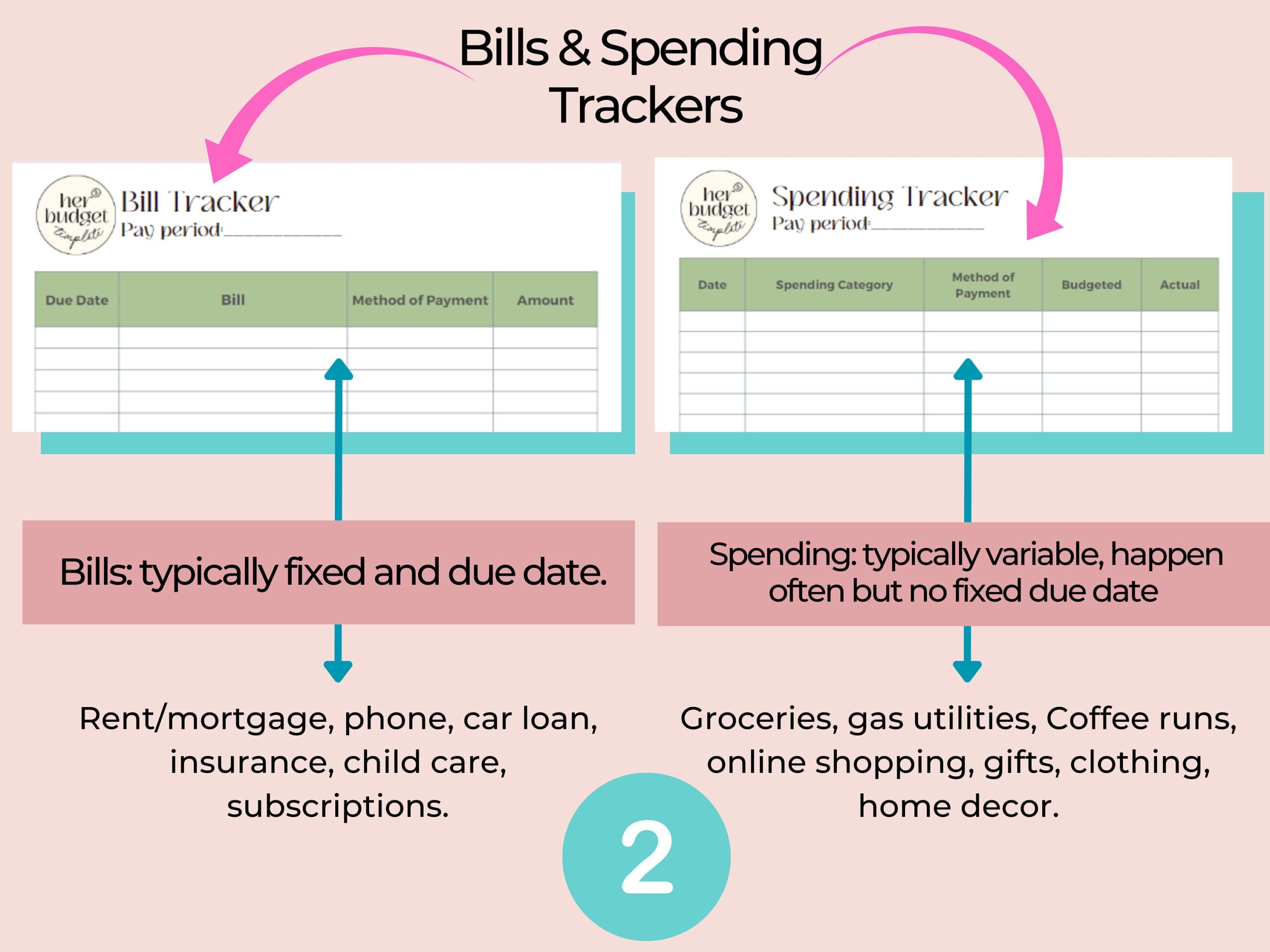
Update a simple tracker after each monthly statement:
- Starting balance
- Payment
- Interest charged
- Ending balance
Step 10: Revisit the Plan After Major Changes
Recalculate after a job change, new medical cost, rent increase, major interest-rate change, or debt payoff.
A good plan adapts to reality.
What If You Cannot Make Minimum Payments?
If you cannot make required payments, the question is no longer snowball versus avalanche. Focus on essential expenses and contact creditors or legitimate counseling resources.
The CFPB’s guidance for consumers behind on bills recommends understanding consequences and contacting creditors instead of ignoring the problem.
Be Cautious With Debt Relief Promises
Be skeptical of companies promising to make debt disappear quickly, especially if they demand large upfront fees or tell you to stop communicating with creditors without explaining the consequences.
Research any company independently and understand the difference between nonprofit credit counseling, debt management, settlement, consolidation, and bankruptcy.
Debt Payoff Checklist
- List every balance and rate.
- Keep minimum payments current.
- Build a starter emergency buffer.
- Choose a repeatable extra payment.
- Select snowball, avalanche, or hybrid.
- Consider promotional deadlines.
- Roll freed payments forward.
- Track monthly.
- Avoid adding new debt.
- Reassess after major changes.
Frequently Asked Questions
Which method pays debt faster?
With the same total payments, targeting the highest interest rate can often reduce interest and improve mathematical efficiency. Actual timing depends on balances, rates, and payment amounts.
Is the snowball method bad?
No. It trades some potential interest efficiency for quicker account payoffs and motivation. A method you consistently follow can be more useful than an “optimal” method you abandon.
Should I stop saving while paying debt?
Not necessarily. A basic emergency reserve can reduce the risk of creating new debt after an unexpected expense.
What if one debt has 0% interest temporarily?
Review the expiration date and terms. Your priority may change if a high rate or deferred interest begins later.
Can I switch methods?
Yes. The strategy is a tool, not a contract.
Conclusion: Choose the Strategy You Can Sustain
The debt snowball and debt avalanche both organize extra payments around a clear priority. Snowball targets the smallest balance for faster wins; avalanche targets the highest interest rate to reduce expensive interest first.
Choose the method that fits your motivation and numbers, keep required payments current, protect essential expenses, and maintain at least a basic emergency buffer. Consistent monthly progress matters more than arguing about the perfect method.