The envelope budgeting system is a way to control spending by giving selected categories a fixed amount of money before the month begins. Traditionally, people placed cash into physical envelopes labeled groceries, transportation, entertainment, and other categories. Today, the same idea can be used with cash, separate bank-account buckets, or a budgeting app.
The system is useful because it turns a vague instruction—“spend less”—into a clear limit. When the grocery envelope is low, you know you need to adjust before the account balance becomes a surprise. You do not need to use envelopes for every bill; they work best for categories where spending decisions happen repeatedly.

How Envelope Budgeting Works
At the start of the budgeting period, you decide how much money is available for each selected category. You then track spending against that amount.
| Envelope | Monthly amount |
|---|---|
| Groceries | $500 |
| Fuel/transport | $250 |
| Dining out | $120 |
| Entertainment | $80 |
| Personal spending | $100 |
If you spend $90 from the $120 dining envelope, only $30 remains for the rest of the month unless you deliberately move money from another category.
Cash Envelopes vs. Digital Envelopes
| Cash envelopes | Digital envelopes |
|---|---|
| Very visual and difficult to overspend accidentally | Works with online purchases and automatic records |
| No account connection required | Safer than carrying large amounts of cash |
| Can be inconvenient for bills and online shopping | Requires accurate categorization or app/account setup |
| Cash can be lost or stolen | Overspending is still possible if you ignore category balances |
You can use a hybrid system: fixed bills stay in checking, while groceries, dining, and personal spending use cash or digital category limits.
Step 1: Start With a Real Monthly Budget
Envelope amounts should come from actual income and spending, not random targets. Review several months of transactions and identify categories where spending changes from week to week.
The Consumer Financial Protection Bureau recommends looking at real spending and remembering irregular expenses when building a financial plan.
For a full setup process, see our monthly budget guide.
Step 2: Choose Which Categories Need Envelopes
Do not create 30 envelopes on the first day. Start with three to five categories that are easy to overspend.
- Groceries
- Dining out
- Fuel or transit
- Entertainment
- Personal spending
- Household supplies
- Clothing
Fixed bills such as rent, insurance, and loan payments usually do not need envelopes because the amount is already known.

Step 3: Set Realistic Limits
If your household has spent $650–$700 on groceries for the last three months, setting the envelope to $350 is unlikely to work unless you have a concrete plan for a major change. Start with a modest reduction, then meal-plan more carefully, reduce waste, and review results before cutting further.
Step 4: Fund Envelopes on Payday
If you receive one monthly paycheck, you can fund the full month at once. If you are paid every two weeks or have irregular income, fund categories in stages. For example, a $500 monthly grocery envelope can receive $250 after each of two paychecks. This helps cash flow match income timing.
Step 5: Decide the Rule for Moving Money
Envelope budgeting does not need to be rigid. Decide in advance whether you can move money between categories.
- You can move money between flexible envelopes.
- You cannot borrow from rent, minimum debt payments, or emergency savings for casual spending.
- If an essential category is consistently too low, raise its budget next month rather than pretending the problem does not exist.
Step 6: Track Every Purchase Against the Right Envelope
Cash users physically remove money. Digital users update a spreadsheet or app, or rely on categorized transactions. The important thing is that the envelope balance reflects reality.
If a purchase crosses categories—such as groceries and household supplies on the same receipt—split it if the distinction helps. Do not spend more time categorizing than the savings are worth.

How to Reconcile Online and Card Purchases
Digital spending can break an envelope system when purchases are not reflected quickly. If you buy something online or with a card, subtract the amount from the matching envelope as soon as practical, even if the transaction is still pending at the bank. Otherwise the category may look as if it has more money available than it really does.
Returns and refunds should normally go back to the category that originally paid for the purchase. This keeps the envelope balance honest instead of turning a refund into accidental extra spending. Also distinguish between moving money and spending money: transferring $50 from dining to groceries changes the category limits but does not reduce your total budget by $50.
Create Sinking Envelopes for Irregular Bills
Some expenses are predictable but do not happen every month. These are good candidates for sinking envelopes or sinking-fund categories. Examples include car maintenance, annual insurance premiums, school supplies, gifts, clothing replacement, and recurring professional fees.
Estimate the expected amount and divide it by the number of months until the expense. If you expect a $600 insurance bill in six months, setting aside $100 per month makes the future payment less disruptive. A sinking fund is different from an emergency fund: the sinking fund is for a known future cost, while emergency savings are for genuinely unexpected events.
Step 7: Use Rollover Rules Intentionally
If an envelope has money left at month-end, choose one policy:
- Roll it into next month.
- Move it to emergency savings.
- Put it toward debt.
- Transfer it to a planned goal.
Rollover can be especially useful for categories such as clothing, gifts, or car maintenance that do not have equal spending every month.
Envelope Budgeting With Irregular Income
When income changes, prioritize envelopes in order rather than funding every category equally: housing and essential bills, food, transportation, healthcare, minimum debt payments, irregular essentials, savings, then flexible wants. Fund categories when money arrives. Do not allocate income that has not been earned yet.
Envelope Budgeting for Couples
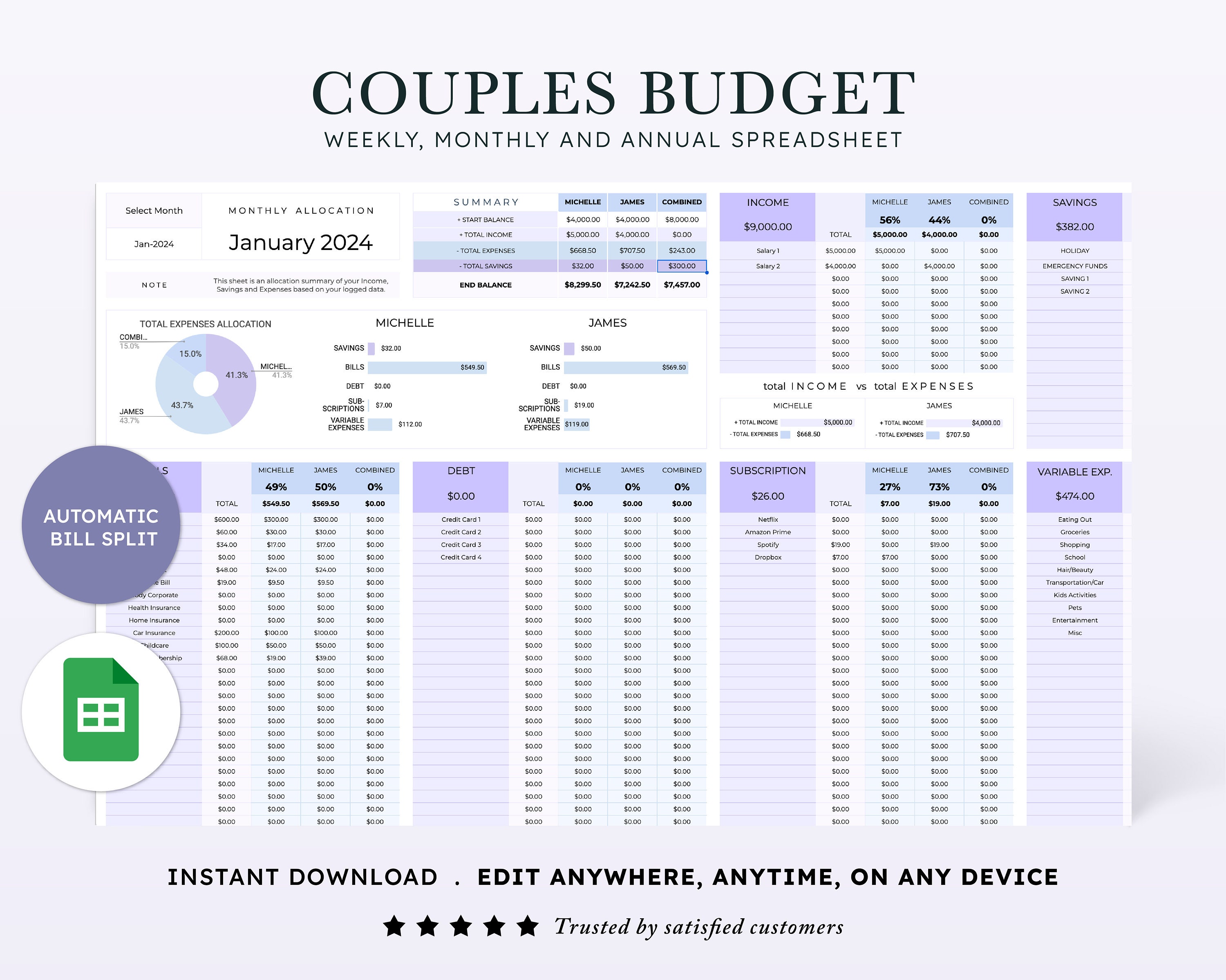
Shared envelopes work when both people can see the same balances and agree on the rules. Decide which categories are shared, which spending is personal, how purchases are recorded, what amount requires discussion, and whether personal envelopes can roll over independently.
The system should reduce conflict by making limits clear, not become a tool for one person to control every purchase the other makes.
Cash Safety
If you use physical cash, avoid keeping more money at home or carrying more than you are comfortable losing. Store it securely and consider digital envelopes for larger categories. Do not withdraw money needed for electronic bills simply to make the entire budget “cash based.” A hybrid approach is often easier.
Envelope Budgeting vs. 50/30/20
The 50/30/20 method provides a high-level percentage framework. Envelope budgeting gives specific limits inside categories. They can work together.
Envelope Budgeting vs. Zero-Based Budgeting
Zero-based budgeting assigns every available dollar a purpose. Envelope budgeting controls selected spending categories. They overlap naturally: your zero-based plan can contain envelope categories. See our zero-based budgeting guide.
What If an Envelope Runs Out?
- Stop spending in that category until the next funding period.
- Move money from a lower-priority flexible envelope.
- If the category is essential and the limit was unrealistic, adjust the plan.
Do not use a credit card to silently bypass the envelope. That defeats the feedback the system is designed to create.

Use a Weekly Envelope Reset
Spend five to ten minutes once a week checking category balances, upcoming bills, pending card transactions, and any envelope that is running faster than expected. A weekly reset catches mistakes while there is still time to adjust. It also gives you useful evidence for next month’s limits instead of relying on memory.
Common Envelope Budgeting Mistakes
- Creating too many categories
- Setting unrealistic limits
- Forgetting online purchases
- Using credit to continue spending after an envelope is empty
- Borrowing from rent or emergency savings
- Never updating categories when prices change
- Carrying excessive cash
- Treating every overspend as a personal failure instead of useful data
A Beginner Envelope Setup
| Envelope | Funding frequency | Rule |
|---|---|---|
| Groceries | Each payday | Essential; can receive transfers if needed |
| Dining | Monthly | Stops when empty |
| Personal spending | Monthly | Rolls over |
| Fuel/transport | Each payday | Essential; track realistic usage |
| Entertainment | Monthly | Stops when empty |
Frequently Asked Questions
Do I have to use cash?
No. Digital categories, spreadsheets, bank buckets, or budgeting apps can use the same envelope principle.
What happens if groceries run out?
Food is essential. Move money from a lower-priority category or adjust the grocery budget if the limit was unrealistic. Do not skip necessary food simply to obey a category target.
How many envelopes should a beginner use?
Start with three to five variable categories. Add more only if they improve decisions.
Can envelope budgeting help with debt?
It can free money by controlling flexible spending. Make required debt payments first, then direct planned extra money toward your repayment goal.
Which app is best for digital envelopes?
Several budgeting apps support category-based or envelope-like planning. Compare current features, costs, account compatibility, and privacy. See our 2026 budgeting app guide.
Conclusion
The envelope budgeting system is useful because it creates a decision point before overspending. Start with a few variable categories, fund them from real income, set realistic limits, and decide how transfers and rollover will work.
Use cash, digital envelopes, or a hybrid system—whichever makes your remaining spending clear. A good envelope budget is flexible enough to handle real life while still protecting essential bills and future goals.