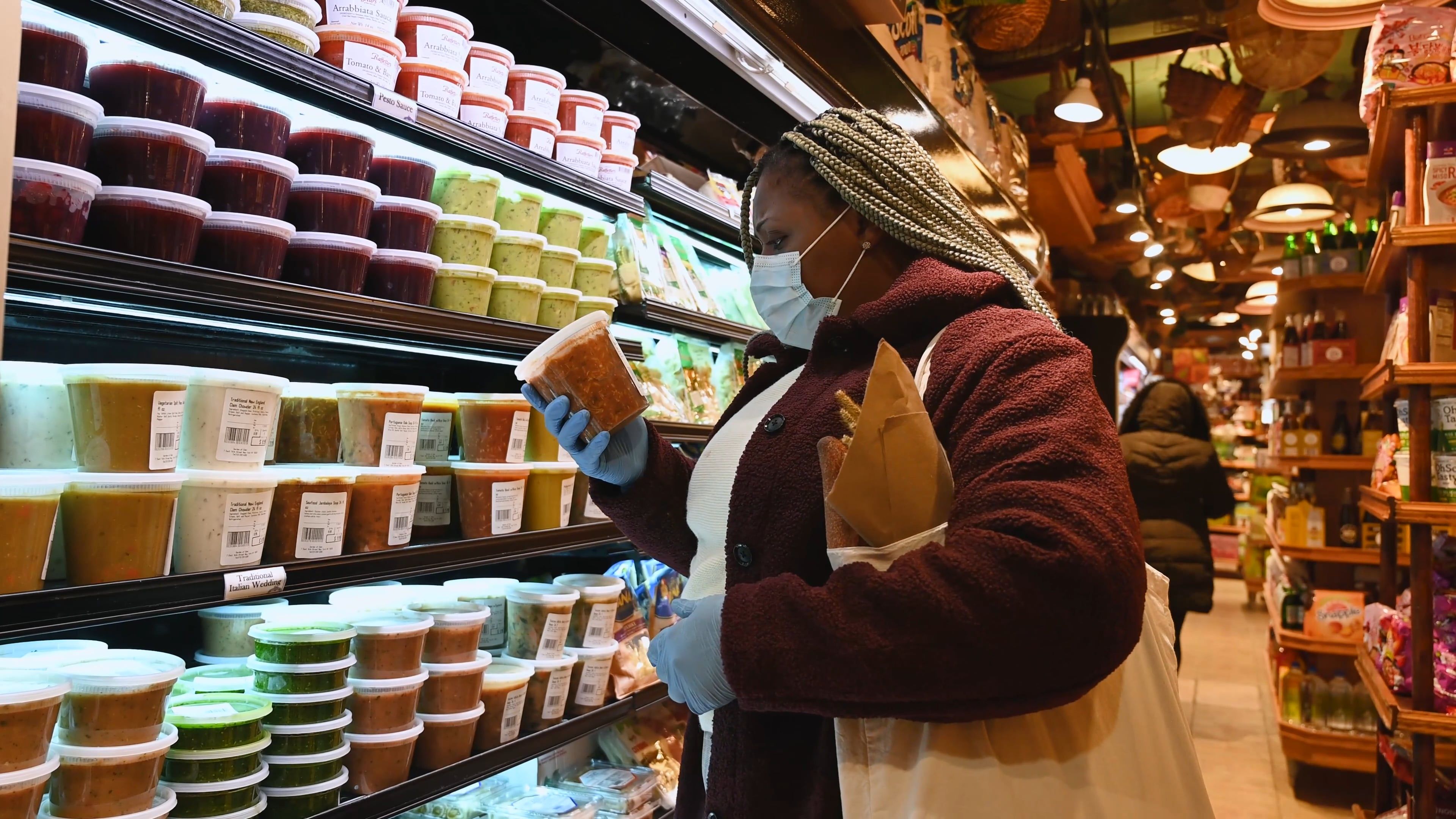
A grocery sale is only useful if the price is actually low for the product you buy. A bright “2 for $8” sign can look like a bargain even when the regular price at another store is $3.50 each. Package sizes also change, which makes memory unreliable. A personal grocery price book gives you your own reference point.
This guide explains how to create a grocery price book using a notebook, spreadsheet, or phone note. You will track unit prices, compare stores, recognize your normal “buy price,” plan stock-up purchases, and avoid buying more food than your household can use.
The system works best when combined with a realistic grocery budget. Our monthly budget guide can help you set the overall spending limit.

What Is a Grocery Price Book?
A grocery price book is a simple record of what you pay for frequently purchased foods. It can include the store, package size, unit price, date, and whether the purchase was a regular price or sale.
You do not need to track every item in the supermarket. Focus on products that make up a meaningful part of your grocery spending.
Why Memory Is Not Enough
Prices change, package sizes shrink, promotions use different formats, and stores rotate sales. It is easy to remember that cereal “used to be cheap” without remembering the price per ounce.
A written record gives you evidence for your own household.
Step 1: Choose 20–30 Frequently Purchased Items
Start with staples rather than occasional treats.
Examples
- Rice
- Pasta
- Eggs
- Milk
- Chicken
- Ground meat
- Beans
- Bread
- Oats
- Frozen vegetables
- Cooking oil
- Cheese
- Yogurt
- Coffee
- Toilet paper
Add items your household buys often enough that price changes matter.
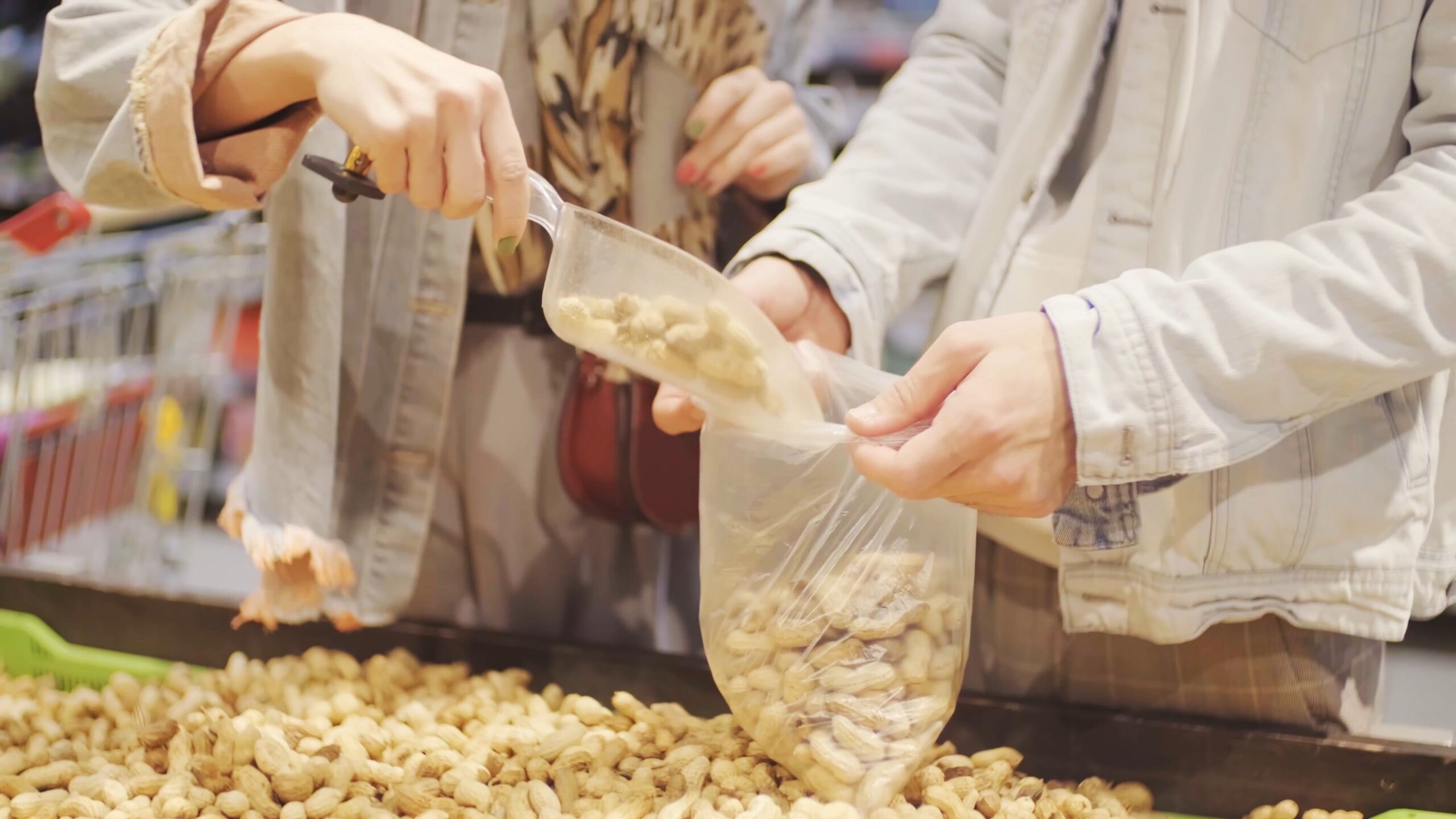
Step 2: Record Package Size
Never compare prices without package size. A $4.99 product may be cheaper than a $4.49 product if the package is significantly larger.
Write the weight, volume, count, or other unit shown on the package.
Step 3: Calculate Unit Price
Many shelf labels show unit price, but not all stores use the same units.
Basic formula:
Price ÷ quantity = unit price.
Example: a 32-ounce bag of rice costs $4.80. The price per ounce is $0.15.
Compare like units whenever possible.
Step 4: Record the Store and Date
Price history is more useful when you know where and when the price was available.
| Item | Store | Size | Price | Unit price | Date |
|---|---|---|---|---|---|
| Oats | Store A | 42 oz | $5.04 | $0.12/oz | |
| Oats | Store B | 18 oz | $2.88 | $0.16/oz |

Step 5: Track Regular and Sale Prices
After a few shopping cycles, you will see a normal range. That lets you identify a real sale.
Instead of “coffee is on sale,” you can say “this brand is normally around $0.70 per ounce and today it is $0.48.”
Step 6: Set a Personal Buy Price
A buy price is the price at which you are comfortable purchasing an item. It is not a universal number; it is based on your local stores, brands, quality needs, and household preferences.
You can keep two levels
- Normal buy price: reasonable everyday price.
- Stock-up price: unusually low price worth buying extra if you will use it safely.
Step 7: Do Not Let a Deal Create Waste
Buying six packages at a great unit price is not saving money if three expire or spoil.
FoodSafety.gov’s FoodKeeper provides storage guidance for hundreds of foods and can help you judge how long items may maintain quality and safety.
Use your freezer and pantry intentionally instead of stocking up without a plan.

Step 8: Track Store Brands Separately
Store brands can be lower priced, but compare quality and unit price rather than assuming they always win.
If your household likes the product, record it as its own line. You may discover that a store brand is consistently better value even when national brands are “on sale.”
Step 9: Compare Bulk Sizes Carefully
Bulk packages can reduce unit price, but only when:
- You have storage space.
- You will use the product before quality declines.
- The bulk price is actually lower.
- The larger purchase does not crowd out other grocery needs.
Warehouse packaging is not automatically cheaper.
Step 10: Use the Price Book Before Shopping
When you review weekly ads or store apps, compare promotion prices with your recorded buy prices.
Mark only a few true deals instead of letting the ad determine your entire shopping list.
Step 11: Combine Prices With a Meal Plan
A price book saves more when you buy around meals your household will actually eat.
Example: if chicken is at a stock-up price, plan two chicken meals this week and freeze the rest in useful portions.
Do not buy random discounted ingredients that require expensive additional items to become meals.
Step 12: Track Seasonal Patterns
Some foods vary by season, holidays, or local supply. Over several months, your price book can show patterns.
You do not need to predict the market. Simply notice when a familiar item is usually cheaper at certain times.
Step 13: Include Household Staples
Your grocery budget may include paper products, detergent, soap, and cleaning supplies. These items can have large package-size differences, so unit-price tracking can be useful.
Step 14: Compare Convenience Against Price
Driving to three stores to save $4 may not be worthwhile after fuel and time. Use the price book to identify which store is usually best for your main staples and make targeted extra stops only when savings justify it.
Step 15: Review the Book Monthly
Update buy prices when the market clearly changes. A target from a year ago may no longer be realistic.
Your goal is not to keep every price forever. It is to maintain a practical current reference.
Add a “Do Not Buy Above” Price Ceiling
A normal buy price tells you what feels reasonable, but a price ceiling can be even more useful during weeks when there is no genuine sale. For your most frequently purchased staples, look at several recent entries and choose a unit price above which you will normally wait, substitute, buy a smaller amount, or choose another store. The ceiling is not a promise that the product will always be available below that number; it is a decision rule that reduces impulse purchases when a promotion is mostly marketing.
For example, if your recent pasta prices range from $0.08 to $0.12 per ounce, you might decide that anything above $0.14 is a “pause and compare” price. If you urgently need the item, buy only what is necessary rather than automatically stocking up. If a substitute such as rice, potatoes, oats, beans, or another brand fits the meal plan, compare its unit cost before deciding.
Review shrinkflation, not just shelf price
Package sizes can change while the shelf price stays almost the same. When you notice a redesigned box, bag, bottle or roll count, update the size in your price book before judging the deal. A product that was 16 ounces and becomes 14 ounces has become more expensive per ounce even if the sticker price barely moves. Keep one consistent unit for each product type so old and new entries remain comparable.
Also watch multi-buy promotions. “Buy two” or “three for” offers are only useful if the per-unit price beats your normal reference and you can use the quantity. Your price ceiling should be based on unit price, not on how large the discount sign looks.

Sample Price Book Layout
| Item | Preferred size | Normal unit price | Stock-up price | Best stores |
|---|---|---|---|---|
| Rice | 5 lb | |||
| Eggs | 12 count | |||
| Chicken | per lb | |||
| Oats | per oz | |||
| Cheese | per oz |
How to Avoid Food Waste While Stocking Up
FoodSafety.gov recommends keeping refrigerated foods properly covered, refrigerating cut produce, using the freezer, and checking the refrigerator regularly so foods are used before they spoil. Its food waste and safety guidance is helpful when building a stock-up system.
Practical habits
- Put older food in front.
- Label freezer items with dates.
- Freeze food in meal-size portions.
- Keep an “eat first” bin.
- Review pantry inventory before shopping.
How a Price Book Helps During Inflation
When prices rise unevenly, a personal history helps you distinguish a temporary promotion from a genuine lower-cost option.
Our money-saving during inflation guide includes broader strategies for recurring household costs.
What Not to Track
Do not turn the price book into a second job.
You can skip:
- Items bought once or twice a year.
- Products whose price is too small to matter.
- Every flavor of the same product.
- Stores you rarely visit.
Track the 20% of items that influence most of your grocery spending.
Common Grocery Price Book Mistakes
- Comparing package prices instead of unit prices.
- Ignoring package-size changes.
- Stocking up beyond storage capacity.
- Buying a sale item your household does not like.
- Driving too far for tiny savings.
- Keeping outdated target prices.
- Forgetting food waste.
Grocery Price Book Checklist
- Choose 20–30 staples.
- Record package size.
- Calculate unit price.
- Record store and date.
- Track regular and sale prices.
- Set normal and stock-up prices.
- Check pantry/freezer before buying extra.
- Use safe storage guidance.
- Review monthly.
Frequently Asked Questions
Do I need a spreadsheet?
No. A phone note or small notebook works if you record the same fields consistently.
How many stores should I track?
Start with the two or three stores you actually use.
Is the lowest unit price always best?
No. Quality, dietary needs, storage, waste, travel, and household preferences matter too.
How often should I update prices?
Update when you shop or when you notice a meaningful change. A monthly review is usually enough.
Should I stock up on fresh food?
Only if you have a realistic plan to use, freeze, or safely store it before it spoils.
Conclusion: Build Your Own Definition of a Good Price
A personal grocery price book replaces vague memories with useful information. Track a small set of staples, compare unit prices, record real sale prices, and set buy targets based on your local stores.
Then combine the data with meal planning and safe storage. The goal is not to chase every deal; it is to spend less on the food you already use while reducing waste and unnecessary stock-up purchases.