
Personal finance can sound complicated because it includes budgeting, saving, credit, debt, insurance, taxes, and investing. For a beginner, however, the first steps are simple: understand how much money comes in, know where it goes, protect yourself from common financial shocks, and build one useful habit at a time.
You do not need to master investing before you can improve your finances. A strong foundation usually starts with cash flow, essential bills, a realistic budget, an emergency fund, and a plan for expensive debt. Once those pieces are more stable, long-term goals become easier to address.

1. Know Your Monthly Take-Home Income
Begin with net income—the money that actually reaches you after taxes and payroll deductions. Include reliable wages, benefits, freelance income, support payments, or other recurring income you can reasonably expect.
If income varies, use a conservative baseline rather than your best month. The goal is to build essential commitments around money that is likely to arrive.
2. Track Where Your Money Goes
Review at least two or three months of transactions so you can see patterns instead of guessing. The Consumer Financial Protection Bureau recommends looking at real spending and including irregular costs that do not occur every month.
Group expenses into:
- Housing and utilities
- Food
- Transportation
- Healthcare
- Insurance
- Debt payments
- Irregular expenses
- Flexible spending
- Savings and goals
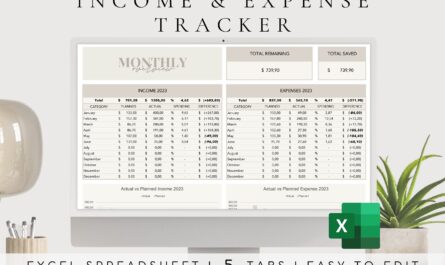
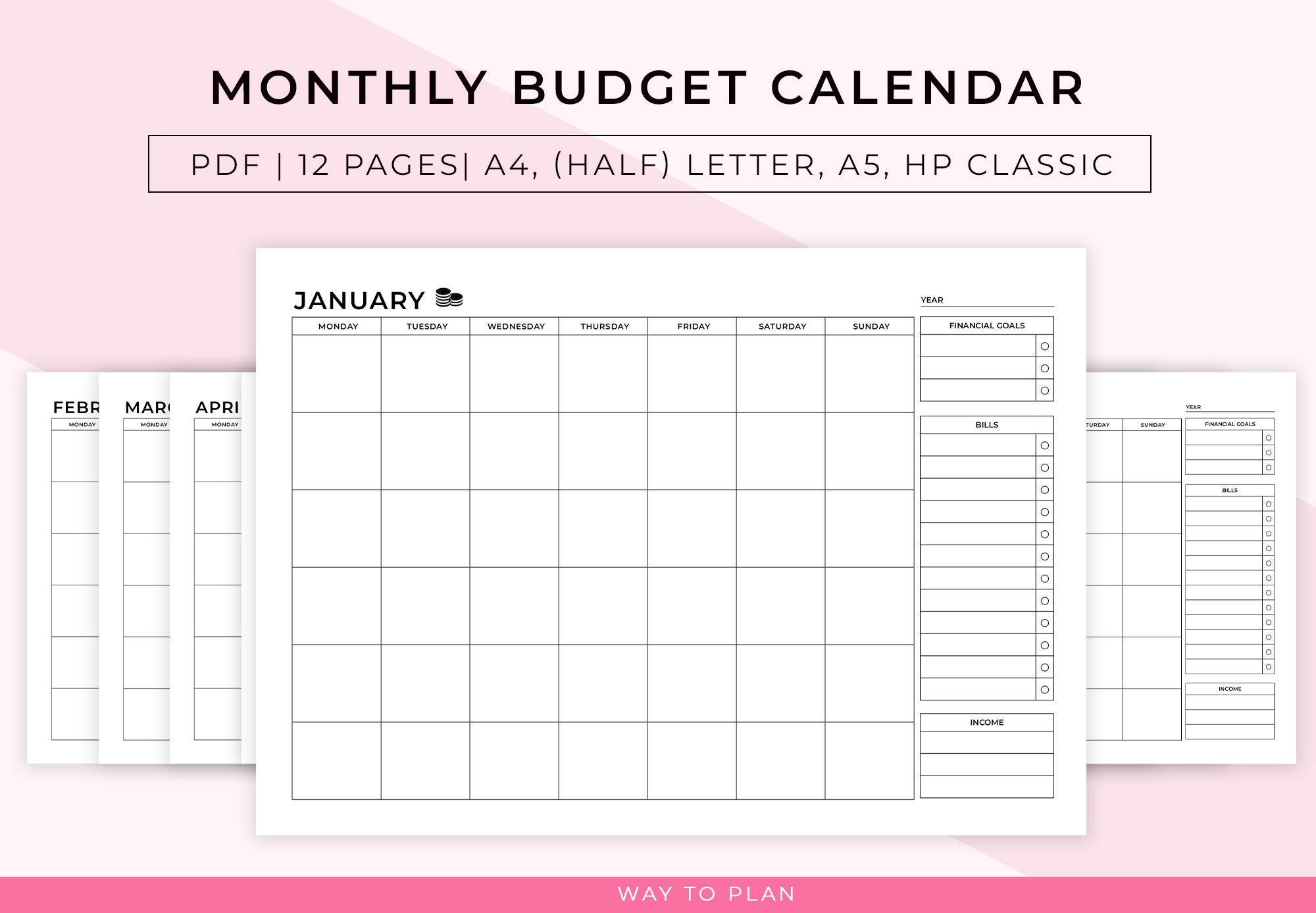
You can use a notebook, spreadsheet, bank tools, or a budgeting app. The best tracking system is the one you will actually review.
3. Build a Monthly Budget
A budget is a plan for the money you expect to receive. It should be flexible enough to handle real life. Start with essential expenses, then minimum debt obligations, predictable irregular costs, savings, and flexible spending.
There are several useful methods:
- Category budgeting: set realistic limits for each spending area.
- Zero-based budgeting: assign all available income a purpose.
- 50/30/20 framework: use broad percentages as a starting reference, not a rigid rule.
- Envelope budgeting: limit selected categories with physical or digital envelopes.
Our step-by-step monthly budgeting guide shows how to build the numbers from scratch.

4. Build an Emergency Fund
Emergency savings can reduce the need to rely on high-cost debt when a necessary unexpected expense appears. Start with a small milestone, then grow it based on your essential expenses and risks.
Keep emergency money in a place that is safe, accessible, and separate enough from daily spending that you are less likely to use it accidentally. For a full plan, see our emergency fund guide.
5. Understand Good Debt, Bad Debt, and Expensive Debt
Debt is not automatically good or bad. What matters is the cost, terms, purpose, and whether payments fit your budget. High-interest revolving debt can become especially difficult because interest may continue to compound while balances remain unpaid.
Make a debt inventory
| Debt | Balance | Interest rate | Minimum payment | Due date |
|---|---|---|---|---|
| Example card | $1,500 | 24% | $60 | 15th |
Make required minimum payments first. If you have extra money, you can choose a repayment method such as targeting the highest interest rate first or paying the smallest balance first for motivation. The mathematically cheaper method is usually to prioritize higher rates, but the best plan is one you can sustain without missing required payments.
If you cannot make required payments, contact the creditor early and ask about hardship options. Be cautious of debt-relief businesses making guaranteed promises or charging large upfront fees.
6. Learn How Credit Reports and Scores Work
Your credit history can affect borrowing, housing applications, insurance in some jurisdictions, and other financial decisions. In the U.S., you can review credit reports through the federally authorized AnnualCreditReport.com.
Healthy credit habits generally include:
- Paying bills on time
- Keeping revolving balances manageable
- Applying for new credit only when useful
- Checking reports for factual errors
- Keeping old accounts in good standing when appropriate
No legitimate company can guarantee a particular score increase or legally erase accurate negative information simply because you pay them.
7. Protect Your Money With Appropriate Insurance
Insurance transfers certain financial risks you may not be able to absorb on your own. The types you need depend on your circumstances.
- Health insurance
- Auto insurance when you drive
- Renters or homeowners insurance
- Disability coverage where appropriate
- Life insurance when others depend on your income
Compare coverage, exclusions, deductibles, and limits—not only premium price. Do not buy a policy you do not understand, and review coverage after major life changes.

8. Create Sinking Funds for Predictable Expenses
Not every non-monthly bill is an emergency. If you know an expense will happen eventually, save a small amount each month.
Common sinking funds include:
- Vehicle repairs
- Annual insurance premiums
- School expenses
- Holiday spending
- Home repairs
- Technology replacement
- Medical deductibles
If a $600 annual expense is expected, saving $50 each month turns one large shock into a manageable monthly category.
9. Start Investing Only After Understanding the Goal and Risk
Investing is different from saving. Investments can fluctuate and lose value, so money needed for short-term emergencies generally should not be exposed to significant market risk.
Before investing, define:
- What is the money for?
- When will you need it?
- How much loss could you tolerate without changing the plan?
- What fees will you pay?
- Is the investment diversified?
For U.S. investors, Investor.gov from the Securities and Exchange Commission provides education on diversification, fees, fraud, compound interest, and investment basics. Avoid “guaranteed high returns” or pressure to transfer money quickly.
10. Understand the Difference Between Saving and Investing
| Saving | Investing |
|---|---|
| Generally used for short-term needs and emergencies | Generally used for longer-term goals |
| Prioritizes stability and access | Accepts market risk for potential growth |
| Examples: insured savings account, certain cash equivalents | Examples: diversified funds, stocks, bonds |
The right mix depends on your goals. Emergency cash and a retirement portfolio should not have the same risk level simply because both are called “savings.”
11. Plan for Retirement Early, Even If the Amount Is Small
Starting earlier can give long-term contributions more time to compound, but do not interpret that as a reason to neglect rent, food, emergency savings, or high-cost debt. Financial priorities compete for the same paycheck.
If your employer offers a retirement plan with a matching contribution, understand the rules and vesting terms. If you are self-employed, research the retirement accounts available to your business structure and tax situation.
12. Learn Basic Tax Organization
Tax rules change and depend on country, income type, household status, business activity, and other factors. For a beginner, focus on organization rather than trying to memorize every deduction.
- Keep income records.
- Save relevant receipts and tax documents.
- Separate business and personal records if self-employed.
- Know filing deadlines that apply to you.
- Use official government information or a qualified tax professional for specific advice.
Do not rely on a social-media tax “hack” without confirming it against current official guidance.
13. Set Short-, Medium-, and Long-Term Goals
Different goals need different timelines and tools.
| Timeline | Example | Typical priority |
|---|---|---|
| Short term | $500 starter emergency fund | Cash accessibility |
| Medium term | Home down payment in 3 years | Balance of stability and growth depending on timeline |
| Long term | Retirement | Long-term diversified investing based on risk tolerance |
Turn vague goals into numbers. “Save for a home” becomes more actionable when you know the target amount, deadline, and monthly contribution required. Our house savings guide provides an example.
14. Use Financial Apps Carefully
Apps can automate budgeting, account aggregation, bill reminders, and goal tracking, but convenience comes with privacy and security considerations.
- Use official apps and websites.
- Enable multi-factor authentication when available.
- Use unique passwords.
- Read the privacy policy before linking accounts.
- Remove connections you no longer use.
- Review imported transactions for errors.
Our 2026 budgeting app guide compares current beginner options.

A Beginner Personal Finance Order of Operations
- Understand take-home income.
- Track spending.
- Keep essential bills current.
- Create a basic budget.
- Build a starter emergency fund.
- Make required debt payments and address expensive debt.
- Use appropriate insurance.
- Build sinking funds for predictable costs.
- Increase emergency savings based on your situation.
- Invest for long-term goals after understanding risk and fees.
Your order may change because of employer benefits, debt costs, family needs, or legal obligations. The list is a framework, not individualized financial advice.
Common Beginner Mistakes
- Trying to invest before knowing monthly cash flow
- Treating every unexpected bill as an emergency
- Ignoring high interest rates and fees
- Building a budget from gross rather than take-home income
- Buying financial products because an influencer recommends them
- Assuming all debt or all investing is automatically good or bad
- Using one generic rule for every household
- Failing to check account statements and credit reports
Frequently Asked Questions
What should a beginner do first with money?
Know your take-home income and where it is going. Then protect essential bills and start a realistic budget.
Should I save or pay off debt first?
Many people benefit from keeping a small emergency buffer while making required debt payments, then directing extra cash toward expensive debt. The best balance depends on interest rates and your risk of needing emergency cash.
How much should I keep in an emergency fund?
Start with a reachable first milestone and build toward a larger cushion based on essential expenses, job stability, dependents, insurance deductibles, and other risks.
When should I start investing?
Start when you understand the goal, timeframe, risk, fees, and investment. Do not invest emergency money in assets that can lose substantial value when you may need cash quickly.
Do I need a budgeting app?
No. A spreadsheet, notebook, or bank account categories can work. Apps are optional tools for automation and convenience.
Conclusion
Personal finance in 2026 does not require complicated predictions or perfect discipline. Build the foundation in order: understand cash flow, create a workable budget, build emergency savings, manage expensive debt, protect major risks, and then work toward longer-term saving and investing goals.
Review the system when income, housing, family needs, or priorities change. A simple plan that you regularly update is more useful than a sophisticated plan you do not understand.