
A fixed-rate mortgage can still produce a monthly payment that changes. For many homeowners, the reason is not the interest rate. It is the mortgage escrow account used to collect money for property taxes, homeowners insurance and certain other property-related bills.
Escrow can make large annual bills easier to budget because you pay a portion each month. But it can also create confusion when your payment rises, your servicer reports a shortage, or a tax or insurance bill looks wrong. Understanding the basic math helps you react calmly and check whether the change is reasonable.
This guide explains escrow in plain English, shows how annual reviews work, and gives you a practical checklist for preventing avoidable surprises.
What Is a Mortgage Escrow Account?
An escrow account is a separate account managed by your mortgage lender or servicer to pay certain home-related expenses on your behalf. The Consumer Financial Protection Bureau explains that a portion of your monthly mortgage payment can be placed into escrow so the servicer has funds available when tax and insurance bills come due.
Depending on where you live, you may also hear the term impound account. The idea is the same.
Common bills paid from escrow
- Property taxes
- Homeowners insurance
- Flood insurance when required
- Mortgage-related insurance in some setups
- Other property charges that the loan documents allow the servicer to collect
Not every mortgage has an escrow account, and not every property expense is necessarily included. Always check your own mortgage documents and escrow statement.
Your Total Mortgage Payment Has More Than Principal and Interest
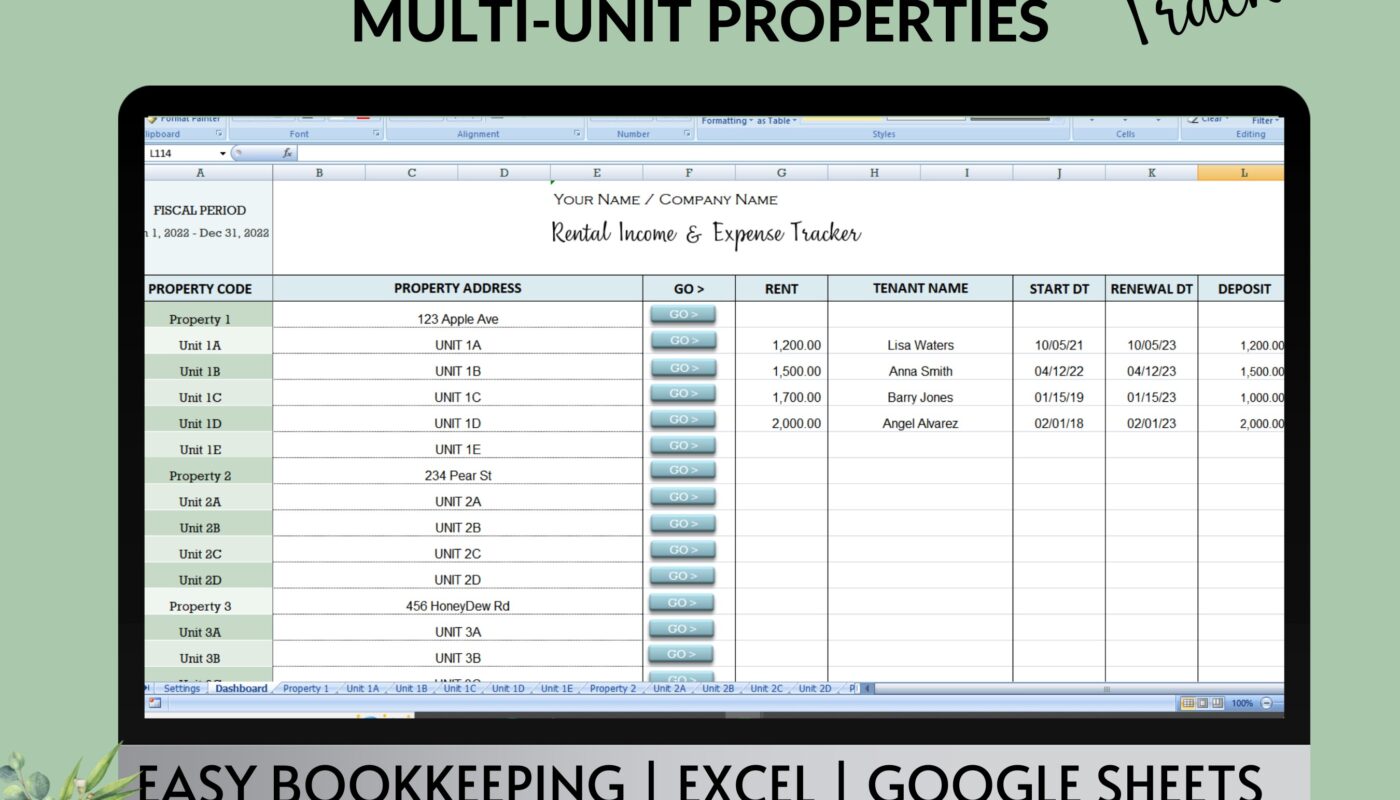
Many homeowners focus on principal and interest because those are the core loan costs. But the amount withdrawn from your bank each month may include several parts.
A typical payment can include
- Principal: the amount that reduces your loan balance.
- Interest: the lender’s charge for borrowing money.
- Escrow for taxes: a monthly share of expected property taxes.
- Escrow for insurance: a monthly share of expected homeowners insurance.
- Mortgage insurance: when the loan requires it.
The CFPB payment guide makes this distinction clear: the total monthly payment can change even when the principal-and-interest portion stays the same.
Why Your Escrow Payment Can Change Each Year
Property taxes and homeowners insurance are not fixed for the life of a mortgage. If either one changes, the servicer may need to collect a different amount each month.
Common reasons for a higher escrow payment
- Your local property tax bill increased.
- Your homeowners insurance premium increased.
- Your insurance policy changed.
- A tax exemption ended or was not applied.
- The previous year’s escrow estimate was too low.
- A new bill or required insurance item was added.
A payment increase is not proof that the servicer made a mistake. It is a signal to review the numbers.
What Is an Annual Escrow Analysis?

Mortgage servicers review escrow accounts on a regular cycle. Under federal rules that apply to many federally related mortgage loans, the servicer performs an escrow analysis to estimate upcoming bills and determine whether the account has a shortage, surplus or deficiency.
The CFPB’s Regulation X escrow rule describes how these accounts and analyses work.
What the analysis tries to answer
- How much will taxes and insurance likely cost during the next period?
- How much should be collected each month?
- Will the account have enough money when bills are due?
- Is there a shortage or surplus based on the projected balance?
The annual statement should not be treated like junk mail. It can explain a large change in your future payment.
Escrow Shortage vs Escrow Deficiency vs Escrow Surplus
These terms sound similar, but they describe different account conditions.
Escrow shortage
A shortage generally means the account balance is below the amount the servicer needs under the projected schedule, but the balance is not negative at the point being measured.
Escrow deficiency
A deficiency generally means the account has a negative balance. This can happen when the servicer pays a bill that is larger than the funds available in escrow.
Escrow surplus
A surplus means the account has more money than needed under the allowed calculation. How a surplus is handled depends on the amount and applicable rules.
You do not need to memorize the legal definitions to manage your mortgage well. The useful question is: What changed, and how did that change affect the projected balance?
A Simple Escrow Shortage Example

Suppose your servicer estimated that property taxes and homeowners insurance would total $6,000 for the year. That works out to an average of $500 per month before considering timing and the permitted cushion calculation.
Later, your tax and insurance bills total $6,720. That is $720 more than expected. The next analysis may need to account for both the higher future bills and the previous shortfall.
This is why the monthly increase can feel larger than the annual tax or insurance increase alone. You may be funding a new higher estimate while also resolving an earlier shortage.
Do Not Assume Your Property Tax Increase Is Correct
If taxes increased sharply, check the tax authority’s actual bill. Compare the parcel number, assessed value, exemptions and payment dates with the escrow statement.
Questions to ask
- Did the property’s assessed value change?
- Did a homestead or other exemption disappear?
- Was the home recently purchased and reassessed?
- Did the local tax rate change?
- Was a supplemental tax bill issued?
Your mortgage servicer does not set the tax rate. If the tax authority’s bill is wrong, you may need to address the issue with the local government while keeping your servicer informed.
Check Homeowners Insurance Before Blaming Escrow

Insurance premiums can change for many reasons, including property characteristics, coverage changes, local risk, rebuilding costs, deductibles and insurer pricing.
If your premium increased, compare the current declarations page with the previous one.
Review these items
- Coverage limits
- Deductibles
- Named insured and property address
- Optional endorsements
- Discounts that may have disappeared
- Policy term and renewal date
Do not reduce important coverage just to lower escrow. If you shop for another policy, make sure the replacement meets lender requirements and that there is no coverage gap.
What Happens If the Servicer Pays a Bill Late or Incorrectly?
An escrow account creates responsibility for the servicer to manage funds and make scheduled disbursements as required. If you notice a problem, act quickly rather than waiting for the next annual review.
The CFPB escrow problem guide recommends contacting the mortgage servicer when there is an issue. Depending on the situation, a borrower may need to send a written information request or notice of error.
Keep a simple evidence file
- Monthly mortgage statements
- Annual escrow statements
- Property tax bills
- Insurance declarations and invoices
- Payment confirmations
- Letters or secure messages with the servicer
Written records make it easier to explain the problem clearly.
What If Your Loan Does Not Have Escrow?
Without escrow, you are responsible for paying taxes and insurance directly. That can give you more control, but it also requires stronger cash planning.
A $4,800 annual property tax bill is still a $400-per-month household cost even if no one collects $400 from you each month. The same principle applies to insurance.
Create your own escrow-style sinking funds
Open a dedicated savings bucket for property taxes and another for homeowners insurance. Divide each expected annual bill by the number of months until it is due. Transfer money automatically after each paycheck.
Our guide to sinking funds for annual and irregular expenses provides a simple way to structure these reserves.
Should You Voluntarily Use Escrow If It Is Optional?
There is no single answer for every household.
Escrow may be useful when
- You prefer predictable monthly saving.
- Large annual bills are hard to manage.
- You do not want to track separate tax and insurance due dates.
- You are more comfortable having the servicer make the payments.
Direct payment may appeal when
- The loan allows it.
- You are highly organized with sinking funds.
- You want direct control over tax and insurance payments.
- You monitor due dates and policy renewals carefully.
Loan rules and fees can affect whether escrow is optional. Ask the lender before assuming you can remove or waive it.
Review Escrow Before Buying a Home
Homebuyers sometimes compare mortgage offers using only principal and interest. That can make the future housing cost look smaller than it really is.
When reviewing a Loan Estimate, look for estimated taxes, insurance, assessments and mortgage insurance in the projected payment. If some property costs are not escrowed, add them separately to your monthly housing budget.
Our true housing-cost approach uses the same idea for renters: the sticker price alone is not enough.
How to Read an Escrow Statement Without Getting Lost
Start with four numbers rather than reading every line at once.
- Previous monthly escrow amount.
- Projected annual tax and insurance costs.
- Shortage, deficiency or surplus amount.
- New monthly escrow amount and total mortgage payment.
Then trace the reason for each change. If taxes rose by $300 and insurance rose by $420, you should be able to see how those increases flow into the new projection.
Build an Escrow Buffer Into Your Household Budget
A homeowner budget should expect property-related costs to move over time. Even if your mortgage rate is fixed, taxes and insurance can increase.
A practical approach
- Keep a small monthly margin in your housing budget.
- Review insurance at renewal instead of after a major premium jump surprises you.
- Check tax notices when they arrive.
- Do not spend an escrow refund until you understand why the surplus occurred.
- Keep emergency savings separate from routine escrow changes.
If your current budget has no room for even a modest tax or insurance increase, the home may be closer to your affordability limit than the original mortgage payment suggested.
Real-World Scenario: Payment Jumps After the First Year
Daniel buys a home with a fixed-rate mortgage. His first-year payment is comfortable. Twelve months later, the servicer sends an escrow analysis showing a higher payment.
Instead of assuming the interest rate changed, Daniel compares the old and new escrow statements. He finds that homeowners insurance increased and the local tax bill was higher than the original estimate. He checks both source documents, confirms the amounts, and asks the servicer how the shortage is being repaid.
He then shops his insurance at renewal, updates his monthly budget and keeps the mortgage documents together. The payment increase is still inconvenient, but it is no longer unexplained.
Common Escrow Mistakes
- Assuming a fixed-rate mortgage means the total payment can never change.
- Ignoring annual escrow statements.
- Failing to check tax exemptions after buying a home.
- Not reviewing insurance renewals.
- Spending a surplus refund without understanding the next year’s bills.
- Waiting months to report a missed tax or insurance payment.
- Keeping no copies of tax and insurance records.
- Budgeting only for principal and interest.
Frequently Asked Questions
Why did my mortgage payment go up if my rate is fixed?
The principal-and-interest portion may be fixed while escrowed taxes, insurance or mortgage insurance costs change.
Can an escrow shortage happen even if I made every mortgage payment?
Yes. A shortage can happen when the actual tax or insurance bills are higher than the previous estimate.
Can I pay an escrow shortage in one amount?
Options depend on the servicer, amount and applicable rules. Review the escrow statement and ask the servicer which repayment choices are available.
Should I check whether my tax and insurance bills were actually paid?
Yes. Monitoring the source bills and mortgage statements can help you catch errors early.
Does escrow make property taxes or insurance cheaper?
No. Escrow mainly changes how the money is collected and paid. It does not set your tax rate or insurance premium.
Conclusion: Treat Escrow as a Budget System, Not a Mystery Fee
A mortgage escrow account is simply a way to collect property-related costs gradually and pay them when due. The account becomes confusing only when homeowners focus on the total payment without checking the tax, insurance and shortage calculations underneath it.
Read the annual analysis. Compare tax and insurance documents. Keep records. Ask questions when numbers do not match. Most importantly, leave room in your household budget for property costs to change over time.
That habit will help you understand your mortgage payment before a routine annual adjustment turns into a financial emergency.