
Inflation can make an ordinary household budget feel outdated surprisingly quickly. Grocery totals rise, utility bills fluctuate, insurance renewals come in higher, and the same paycheck may have to cover more than it did a few months earlier. The most useful response is not extreme deprivation. It is a more deliberate system for deciding what to protect, what to reduce, and what to review more often.

These money-saving tips during inflation focus on practical changes that can work for renters, homeowners, students, and families. You do not need to cut every enjoyable expense or predict where prices will go next. Instead, build a budget that responds to current costs, protects essential bills, and gives you a clear process for making tradeoffs.
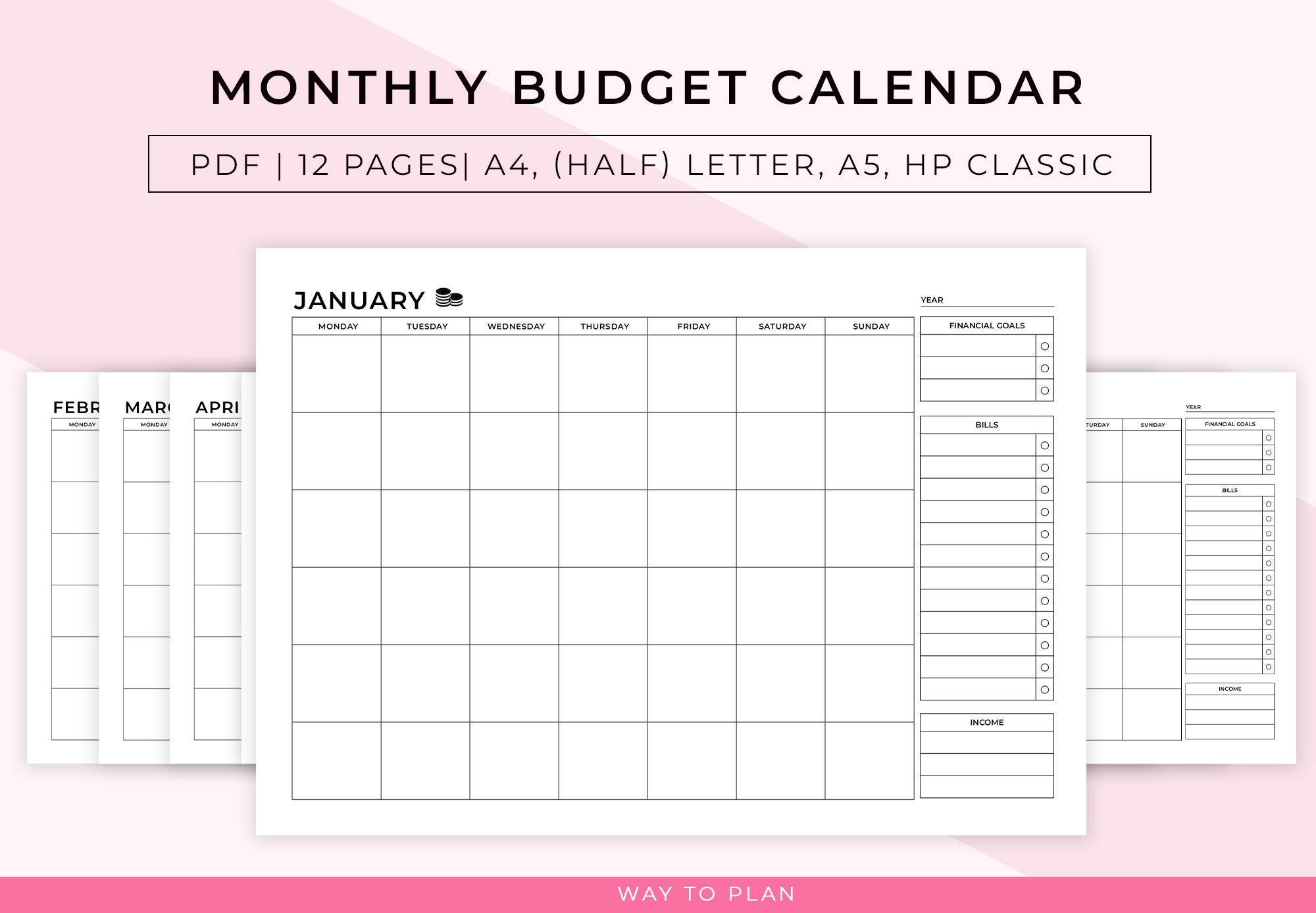
Start by Repricing Your Real Monthly Budget
A budget created six months ago may no longer reflect what you actually pay today. Before cutting anything, compare your current bills and recent transactions with the amounts you originally planned.
The U.S. Bureau of Labor Statistics publishes the Consumer Price Index, but your household will not experience inflation exactly like a national average. Your personal cost changes depend on where you live, what you buy, whether you rent or own, how much you drive, and many other factors.
Use a three-column review
| Expense | What You Planned | What You Actually Pay Now |
|---|---|---|
| Housing | Old monthly amount | Current rent or housing cost |
| Groceries | Old weekly/monthly target | Recent average |
| Utilities | Old estimate | Recent average |
| Transportation | Old estimate | Fuel, transit, insurance and maintenance now |
| Debt payments | Required payments | Current minimums and interest costs |
Once the real numbers are visible, you can make decisions based on facts instead of guessing. If you need a complete framework, use our step-by-step monthly budget guide.
Protect the Expenses That Keep Your Household Stable
When prices are rising, it helps to separate essential obligations from flexible spending. Housing, basic food, utilities, necessary transportation, insurance, minimum debt payments, and essential healthcare generally deserve priority.
This does not mean every essential category is untouchable. You may still be able to reduce a utility bill, compare insurance quotes, change grocery habits, or reconsider transportation costs. The difference is that you should reduce these categories carefully rather than simply skipping necessary expenses.
Prioritize by consequence
Ask what happens if an expense is not paid. Missing rent, a mortgage payment, insurance, or a required debt payment can have much more serious consequences than postponing an entertainment purchase. This simple question can make difficult tradeoffs clearer.
Use a Weekly Grocery Plan Instead of Random Cost Cutting
Food is one of the easiest categories to overspend in because many small purchases happen throughout the month. A weekly food plan gives you more control without forcing you to buy the cheapest option every time.

Before shopping
- Check the refrigerator, freezer, and pantry first.
- Plan several meals around ingredients you already own.
- Build a list from the meal plan rather than browsing without a plan.
- Compare unit prices when package sizes are different.
- Choose store brands when quality and ingredients meet your needs.
- Buy larger quantities only when you will realistically use them before they spoil.
Reducing food waste can be just as valuable as finding a discount. For storage guidance, the federal FoodKeeper resource can help you understand typical storage times for many foods.
Review Utilities Before Buying New Equipment
Lower utility costs often begin with behavior and maintenance rather than expensive upgrades. Review several months of bills and look for changes in usage as well as changes in rates.

Low-cost actions to check first
- Turn off lights and electronics that are not being used.
- Adjust heating and cooling schedules when the home is empty.
- Replace clogged HVAC filters according to manufacturer guidance.
- Wash full loads of laundry and dishes when practical.
- Fix obvious water leaks promptly.
- Use curtains, blinds, and natural ventilation appropriately for the season.
The U.S. Department of Energy’s Energy Saver provides consumer guidance on household energy efficiency. Avoid assuming that any single tip will produce a guaranteed dollar amount because savings depend on climate, rates, equipment, and household behavior.
Audit Subscriptions and Recurring Charges
Recurring charges are easy to overlook because they often renew automatically. Review your bank and credit-card statements for streaming services, apps, cloud storage, memberships, delivery subscriptions, extended warranties, and other recurring payments.
Use four decisions
- Keep: used regularly and worth the cost.
- Downgrade: useful, but a cheaper tier is enough.
- Pause: useful only during certain months.
- Cancel: rarely used or duplicated by another service.
Do not focus only on tiny subscriptions while ignoring larger adjustable bills. A few dollars matter, but insurance, phone service, transportation, and housing-related costs can have a bigger effect on the monthly budget.
Compare Prices, but Include the Total Cost
A lower sticker price is not automatically a better deal. Transportation, delivery fees, membership costs, return policies, durability, and how much of the product you will actually use all affect value.
For frequently purchased products, keep a short reference list of typical prices at the stores you use. That makes it easier to recognize a genuine sale instead of reacting to promotional language.
Be careful with bulk buying
Bulk purchases can reduce unit cost, but they can also tie up cash and create waste. Bulk buying makes the most sense for products your household uses consistently, has space to store safely, and can finish before quality declines.
Build a Small Buffer Into Flexible Categories
If every budget category is planned down to the last dollar, one higher-than-usual grocery trip can force you to reshuffle the entire month. A modest buffer gives you room for normal price variation.
The buffer is not permission to overspend. It is a realistic acknowledgment that some costs change. If you do not use it, move the remaining amount toward savings, debt reduction, or another priority at the end of the month.
Protect an Emergency Fund Even When Saving Feels Hard
Rising costs can make it tempting to stop saving completely. If your budget is genuinely tight, reducing the amount temporarily may be reasonable, but maintaining the habit can still be valuable.

An emergency fund is designed for unplanned expenses such as urgent repairs, necessary travel, a medical bill, or a temporary income disruption. It can reduce the need to rely on high-cost debt when something unexpected happens.
There is no single emergency-fund number that fits every household. Income stability, insurance, dependents, health needs, and fixed expenses all matter. Our emergency fund guide explains how to choose a practical starting target.
Be Strategic About Debt
During a period of tight cash flow, always protect required minimum payments first. After that, extra payments can be directed according to your goals, interest rates, and risk tolerance.
Check the cost before moving debt
Balance transfers, refinancing, and consolidation can sometimes reduce costs, but they may include fees, promotional periods, eligibility requirements, or a higher rate later. Read the terms rather than assuming a lower advertised rate is automatically better.
The Consumer Financial Protection Bureau’s consumer tools provide guidance on credit, debt collection, mortgages, bank accounts, and other household-finance topics.
Use Technology to See Spending, Not to Avoid Decisions
Budgeting apps and bank alerts can make spending easier to see, but automation does not replace judgment. Review automatic categories because transactions are sometimes misclassified. Also check privacy, subscription pricing, and data-access policies before connecting financial accounts to a third-party app.
If you prefer digital tools, our 2026 budgeting apps guide compares several approaches and explains what to look for.
Avoid False Economies
Some attempts to save money create larger costs later. Delaying necessary car maintenance, skipping required insurance, ignoring a leak, or buying a product you repeatedly replace because it is poorly suited to the job may not be a true saving.
Ask three questions before cutting an expense
- Does this expense protect health, housing, transportation, income, or legal/contractual obligations?
- Will reducing it create a larger likely cost later?
- Is there a safer lower-cost alternative instead of eliminating it entirely?
Review Insurance and Service Plans Periodically
Insurance, internet, mobile service, and other recurring plans deserve periodic comparison. Prices and household needs change. Review coverage, deductibles, limits, fees, and service quality rather than comparing only the monthly premium.
Do not reduce essential insurance coverage just to make the monthly number smaller without understanding the risk. If you are unsure what coverage you need, consult the insurer, a licensed professional, or the relevant state regulator.
Use Windfalls Deliberately
A tax refund, work bonus, gift, rebate, or other one-time inflow can disappear quickly if it is treated as ordinary spending money. Decide in advance how you want to split it.
Depending on your situation, reasonable priorities can include rebuilding an emergency fund, catching up on essential bills, paying high-cost debt, funding an upcoming necessary expense, or reserving a small portion for something enjoyable.
Create a 15-Minute Weekly Money Check-In
You do not need to monitor every transaction all day. A short weekly review is often enough to catch problems while there is still time to adjust.

Weekly checklist
- Check account balances and upcoming bills.
- Review grocery and transportation spending.
- Look for unusual or duplicate charges.
- Confirm automatic payments have enough funding.
- Move any planned amount to savings.
- Adjust the rest of the week’s flexible spending if necessary.
If you discover that your current budget method is too loose, a structured system such as zero-based budgeting can help give every dollar a purpose. The key is to choose a method you can actually maintain.
What Not to Do During Inflation
- Do not panic-buy. Buying more than you can use ties up cash and may create waste.
- Do not chase every discount. A sale is not a saving if you did not need the item.
- Do not ignore fixed costs. Large recurring bills deserve review too.
- Do not stop checking statements. Price increases and renewals can be easy to miss.
- Do not rely on guaranteed-savings claims. Household results vary.
- Do not make debt decisions from headlines alone. Check your actual rates, fees, and terms.
Frequently Asked Questions
What is the fastest way to reduce spending when prices rise?
Start with the expenses you can change immediately without creating major risk: discretionary purchases, unused subscriptions, meal planning, shopping habits, and avoidable utility waste. Then review larger contracts and recurring bills more carefully.
Should I stop saving during inflation?
Not automatically. If essentials are difficult to cover, you may need to adjust the savings amount temporarily. When possible, maintaining even a small emergency-savings habit can help protect you from future unexpected costs.
Is buying in bulk always cheaper?
No. Compare unit prices and consider storage space, spoilage, cash flow, and how quickly your household uses the product.
How often should I update my budget?
Review it at least monthly and whenever a major recurring expense changes. A short weekly check-in can catch smaller problems before they affect the whole month.
Final Action Plan
- Replace old budget estimates with current real costs.
- Protect housing, food, utilities, necessary transportation, insurance, healthcare, and required payments.
- Plan groceries weekly and reduce food waste.
- Audit subscriptions and recurring service plans.
- Review utility usage before spending money on upgrades.
- Maintain an emergency-fund habit that fits your current cash flow.
- Check debt rates, fees, and minimum-payment obligations.
- Review your finances for 15 minutes each week.
Conclusion
Saving money during inflation works best when it is systematic rather than extreme. Update your budget with current numbers, protect the expenses that keep your household stable, and focus on repeatable changes in groceries, utilities, subscriptions, debt, and everyday shopping.
The goal is not to make every month perfect. It is to notice cost changes early, make conscious tradeoffs, and keep enough flexibility that one higher bill does not derail your entire plan. Small, consistent decisions usually create a more sustainable financial routine than short bursts of severe cutting.