
A capsule wardrobe is a smaller, intentional collection of clothes that work well together and cover the situations you actually dress for. It is not a rule that says everyone must own 30, 40, or any other fixed number of pieces. The useful goal is to reduce decision fatigue, duplicate purchases, and clothes that take up space without being worn.
For a beginner, the smartest capsule wardrobe usually starts with what you already own. Do not throw away a functional wardrobe and buy a new “minimalist” one. Identify your most-worn clothes, build combinations around them, and replace items only when a real gap appears.
What Is a Capsule Wardrobe?
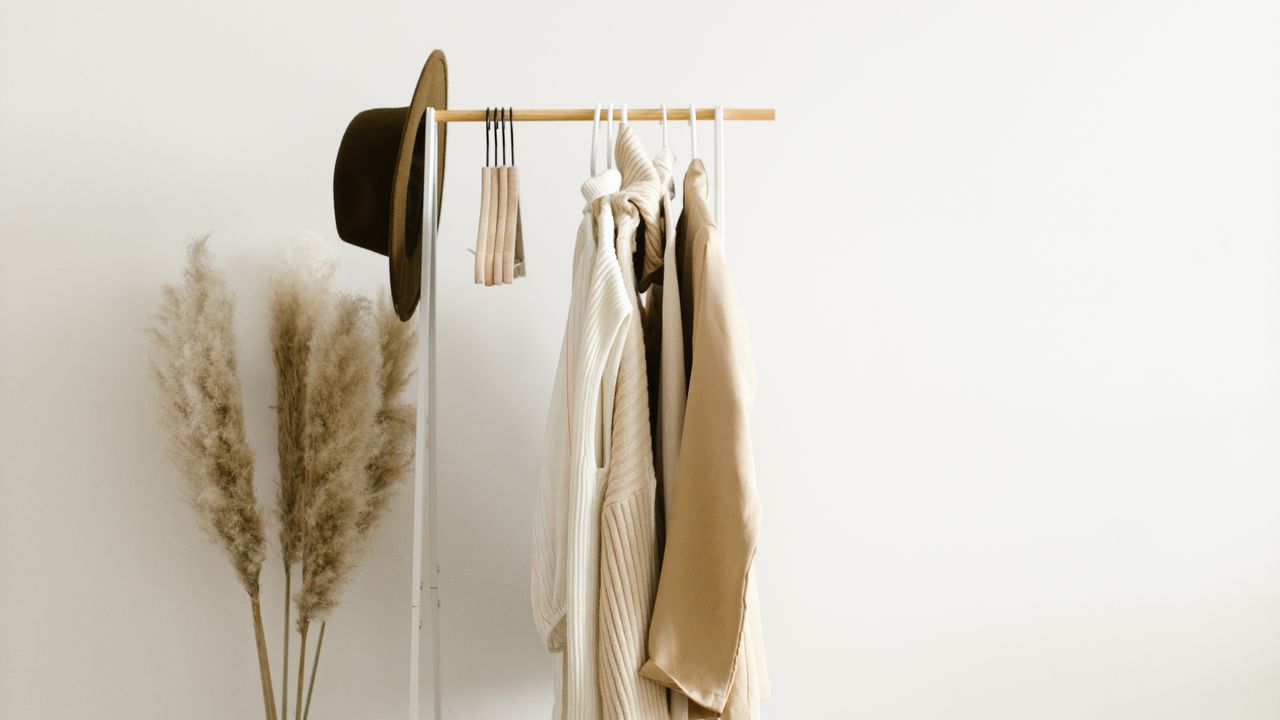
A capsule wardrobe is a coordinated set of clothes that can create many outfits from a relatively limited number of pieces. The collection usually emphasizes repeat wear, easy combinations, and clothes that suit your current routine.
It may include:
- Everyday tops and bottoms
- Layering pieces
- Work or school clothes
- Outerwear
- Footwear
- Occasion-specific clothing you genuinely need
Underwear, sleepwear, sports uniforms, specialist work gear, formalwear, and seasonal equipment may sit outside the core capsule if that makes the system easier to use.
Why a Capsule Wardrobe Can Save Money
The main financial benefit is not that you buy expensive “quality basics.” It is that you become more selective. When you know what you already own and what combinations work, you are less likely to buy duplicates, trend pieces you rarely wear, or “almost right” items that need another purchase to become usable.
A capsule can also reduce wardrobe storage pressure in a small home. But it only saves money if you resist the temptation to replace your current clothes simply to achieve a particular aesthetic.
Step 1: Audit What You Actually Wear
For two weeks, notice what you choose without forcing yourself to dress differently. Your repeat outfits reveal useful information about preferred cuts, fabrics, colors, shoes, and layers.
Then sort clothing into:
- Wear often
- Wear occasionally for a real purpose
- Needs repair or alteration
- Does not fit current life
- Unsure
If you need a broader decluttering process first, use our step-by-step home decluttering guide.
Step 2: Define Your Real-Life Clothing Needs
Write down the situations you dress for in a normal month. For example:
- Casual home and errands: 50%
- Office or school: 30%
- Exercise: 10%
- Social or dressier events: 10%
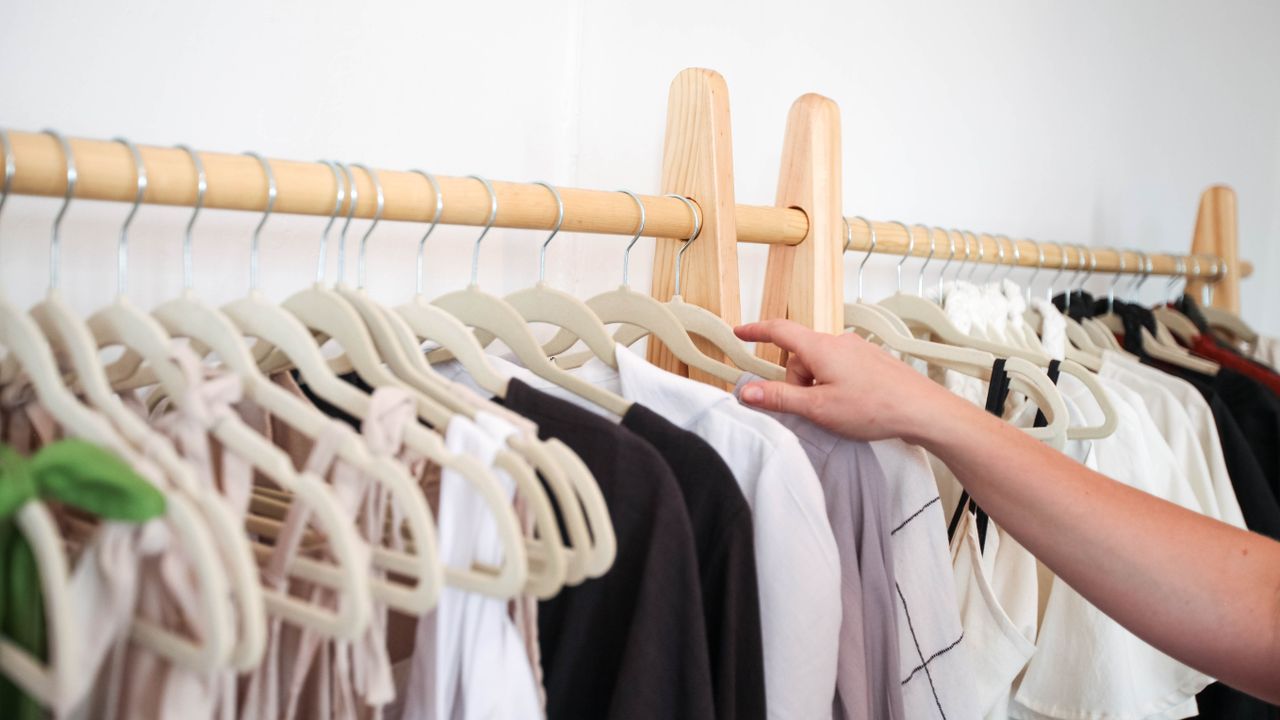
Your wardrobe should roughly support that reality. If you work remotely, you may not need 10 formal work outfits. If your job requires uniforms, the capsule for your personal time may be much smaller.
Step 3: Choose a Flexible Color Strategy
You do not need an all-neutral wardrobe. The practical idea is to choose a base that makes mixing easier.
One simple structure:
- 2–3 base colors for large pieces
- 2–4 accent colors you enjoy
- Patterns that work with several existing pieces
If bright colors are your style, use them. A capsule that does not feel like you is unlikely to last.
Step 4: Build Around Outfit Formulas
An outfit formula is a repeatable combination rather than a specific outfit. Examples:
- T-shirt + straight trousers + overshirt + sneakers
- Blouse + jeans + cardigan + flats
- Dress + jacket + simple shoes
- Knit top + skirt + boots
When several pieces fit the same formula, you can create variety without needing a large wardrobe.
Step 5: Decide What “Enough” Means for You
There is no ideal item count. Base the number on:
- How often you do laundry
- Climate and season changes
- Work or school dress requirements
- Whether you exercise frequently
- How much storage you have
- How much outfit variety you enjoy
A person who does laundry once a week needs a different wardrobe from someone who can wash clothes every two days.
Step 6: Create a “Gap List,” Not a Shopping List
Wear the smaller collection for several weeks before buying. When you repeatedly encounter a problem—such as having no rain layer, only one pair of work trousers, or no comfortable shoe for long walks—write it on a gap list.
Before purchasing, ask:
- Can something I own already fill this role?
- Will the new piece work with at least three outfits?
- Is the fabric and care routine practical?
- Does it fit now?
- Will I still use it after the current season or trend?
Quality Does Not Always Mean Expensive
Price is not a perfect indicator of durability. Examine stitching, fabric feel, zippers, buttons, lining, and care requirements. Used clothing can also provide high-quality materials at a lower price.
Extend the life of clothes by following care labels, washing only as needed, repairing small problems early, and storing garments correctly. The EPA’s reduce and reuse guidance supports maintaining and reusing products to reduce waste.
Seasonal Capsule Wardrobes
If your climate changes significantly, rotating seasonal clothes can keep everyday storage simpler. Store off-season items clean and dry, then review them before the next season.
Do not treat every seasonal transition as a reason to shop. Most wardrobes need only a few climate-specific layers rather than a complete replacement collection.
Capsule Wardrobe for a Small Apartment
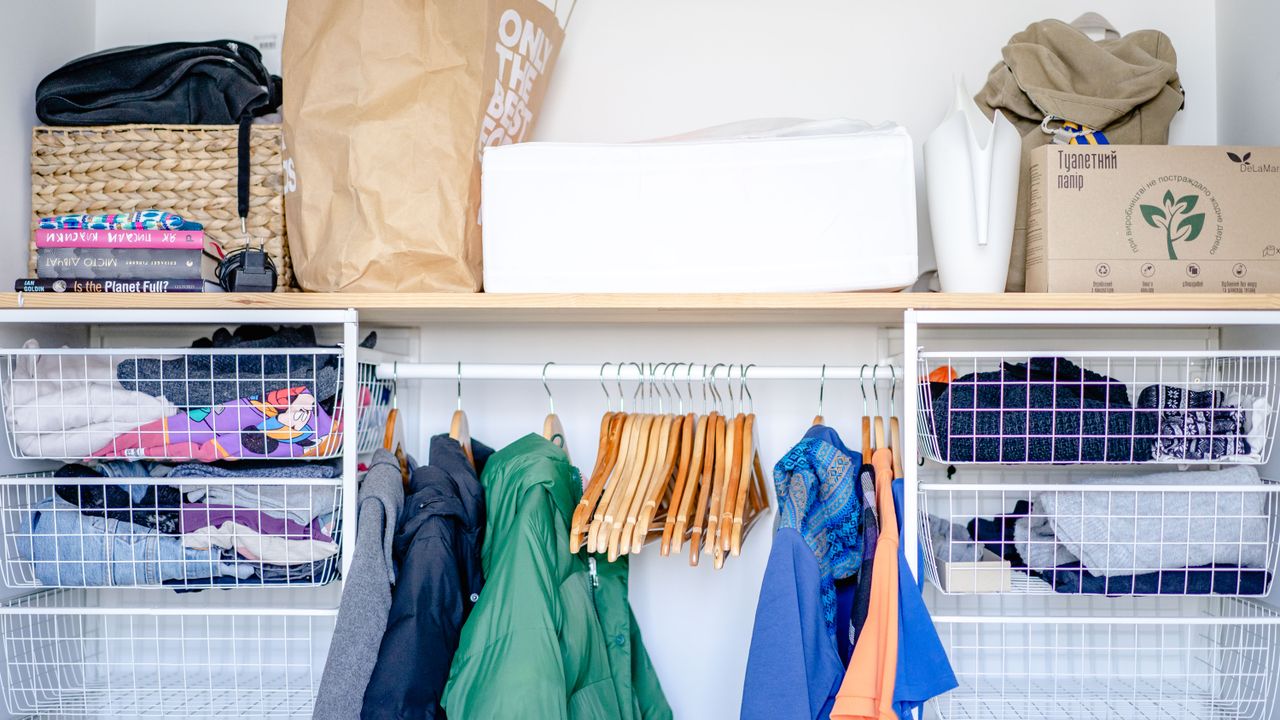
Small-space wardrobes benefit from clear visibility. If clothes are packed too tightly, you may forget what you own and buy duplicates.
Useful strategies include:
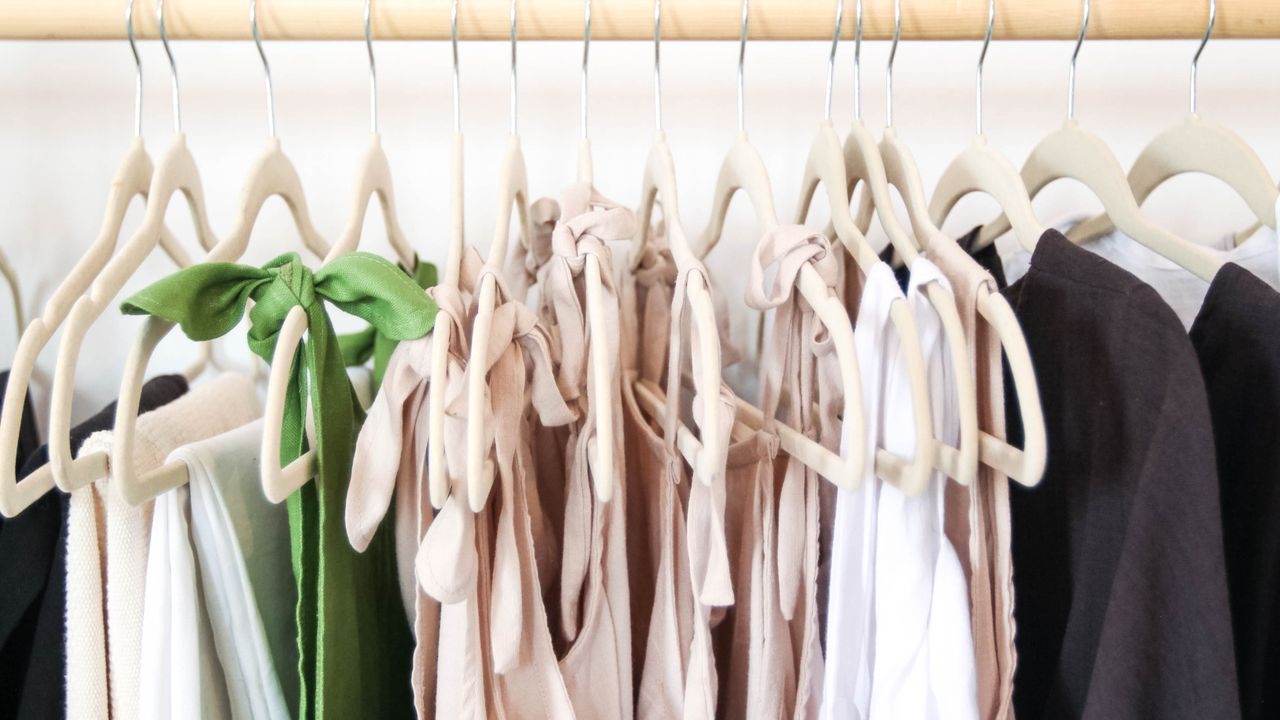
- Use one type of hanger where practical to reduce visual noise.
- Keep daily clothes at eye level.
- Store off-season items higher or under the bed.
- Fold bulky knitwear instead of hanging if needed.
- Keep an active donation/repair bag with a deadline.
For broader small-home organization, see our small apartment space guide.
How to Test Your Capsule Before Buying Anything
A useful capsule wardrobe can be tested without spending money. Choose a trial group from clothes you already own and wear it for two to four weeks. Keep the rest of your wardrobe available rather than boxing everything away permanently. Each time the trial collection fails to cover a real need, write down what happened. For example, you may discover that you need a warmer layer for an early commute, a second work trouser because of your laundry schedule, or a pair of shoes that can handle longer walking days.
At the end of the test, separate genuine gaps from preferences. A genuine gap repeats and affects your normal routine. A preference is something you would enjoy but do not actually need for the capsule to function. This distinction helps prevent a “minimalist” shopping spree.
Use a cost-per-wear check
Before adding a new piece, estimate how often you are likely to wear it over the next year. A moderately priced item worn weekly can offer better value than a cheaper item worn twice. Cost per wear is not a reason to overspend; it is a way to compare usefulness. Fit, comfort, care requirements, durability, and compatibility with existing clothes matter more than a brand name.
How to Maintain the Wardrobe Long Term
Review the capsule at natural transition points such as a season change, job change, move, or major shift in routine. You do not need a monthly purge. A short review can identify pieces that need repair, clothes that no longer fit, and categories where duplicates have started to accumulate.
Use a one-in, one-considered rule rather than a strict one-in, one-out rule: when a new item enters, look at the same category and ask whether anything is now redundant. If not, keep both. The purpose is conscious ownership, not arbitrary scarcity.
Common Capsule Wardrobe Mistakes
- Buying a new wardrobe before auditing the old one
- Copying someone else’s item count
- Choosing only neutral colors even if you dislike them
- Keeping uncomfortable items because they “should” be versatile
- Ignoring climate or workplace needs
- Discarding uncertain clothing too quickly
- Replacing inexpensive functional clothes with expensive minimalist brands
A Simple 7-Day Capsule Wardrobe Plan
| Day | Task |
|---|---|
| 1 | List your real monthly clothing situations. |
| 2 | Pull out your most-worn pieces. |
| 3 | Sort one clothing category and create a repair pile. |
| 4 | Choose a flexible base and accent color strategy. |
| 5 | Create 5–10 outfit formulas using what you own. |
| 6 | Store off-season items and identify genuine gaps. |
| 7 | Wear the capsule before deciding whether to buy anything. |
Frequently Asked Questions
How many items should be in a capsule wardrobe?
There is no required number. Choose enough clothes for your lifestyle, laundry schedule, climate, and desired variety without overcrowding your storage.
Do shoes and accessories count?
They can if counting helps you, but there is no official rule. Focus on usefulness and coordination rather than a number.
Do I need to buy neutral basics?
No. Use colors you enjoy. The practical goal is for enough pieces to work together.
Can a capsule wardrobe save money?
Yes, if it helps you avoid duplicates and impulse purchases. It can cost more if you replace functional clothing just to create a new aesthetic.
What should I do with clothes I am unsure about?
Use a temporary review box or separate wardrobe section. If you do not reach for the item over a realistic season, you will have better information for the decision.
Conclusion
A smart capsule wardrobe is not a shopping project. It is a system built from the clothes you already like and use. Audit your real wardrobe, define your daily needs, build repeatable outfit formulas, and buy only when a genuine gap appears.
When the system works, getting dressed becomes easier, storage becomes more manageable, and new purchases become more intentional—without sacrificing personal style.