
Replacing a heating system is one of the largest home-improvement decisions many households make. The equipment can last for years, the installation cost can be significant, and the choice affects both comfort and monthly energy use. That is why a heat pump vs furnace comparison should go far beyond the sticker price.
A heat pump can heat and cool a home by moving heat rather than creating it directly. A furnace produces heat using electricity, natural gas, propane, oil or another fuel, depending on the system. Both can work well in the right house.
This guide shows you how to compare them using your climate, home envelope, fuel prices, ductwork, electrical system and total ownership cost. It avoids the common mistake of declaring one technology the winner for every household.
How a Heat Pump Works
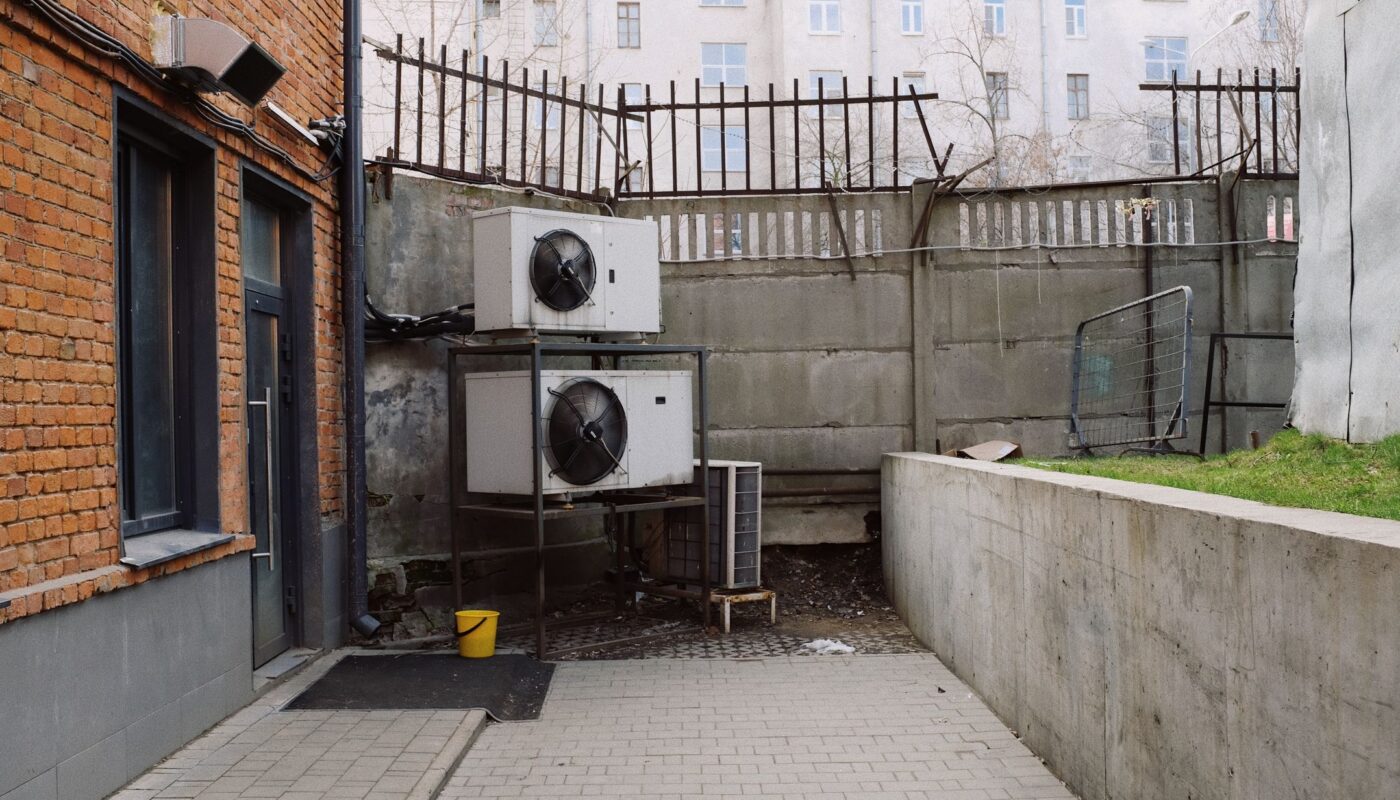
A heat pump uses a refrigeration cycle to move heat. In winter, it moves heat from outside into the home. In summer, it reverses direction and moves heat from inside the home to the outdoors.
The U.S. Department of Energy describes heat pumps as an energy-efficient alternative to furnaces and air conditioners because they transfer heat instead of generating it from resistance electricity or combustion.
Common residential heat-pump types
- Ducted air-source heat pumps
- Ductless mini-split heat pumps
- Cold-climate air-source heat pumps
- Ground-source or geothermal heat pumps
- Hybrid or dual-fuel systems
The right type depends on the building, climate and existing equipment.
How a Furnace Works
A furnace creates heat and distributes it through the home, usually through ducts. Gas furnaces burn fuel. Electric resistance furnaces use electricity to create heat directly.
A furnace is only a heating system. If you need central cooling, you normally pair it with a separate air conditioner or another cooling system.
That changes the comparison
If your house needs both heating and cooling equipment replaced, compare the heat pump against the combined cost and performance of a furnace plus air conditioner. Comparing a heat pump to a furnace alone can make the heat pump look unfairly expensive because the heat pump performs two jobs.
Climate Matters, but Old Heat-Pump Assumptions Can Be Misleading
Older heat pumps often performed poorly in very cold weather. Modern cold-climate equipment has improved significantly.
The DOE notes that advances in air-source heat-pump technology have made these systems practical in colder regions. Still, performance varies by model and outdoor temperature.
Ask for cold-weather performance data
Do not accept “this model works in cold climates” as the entire answer. Ask the contractor for:
- Heating capacity at your local winter design temperature
- Efficiency at colder temperatures
- Backup heat strategy
- When electric resistance or a furnace backup would operate
- Expected electrical demand
Your Home Envelope Can Matter as Much as the Equipment

A leaky, poorly insulated home requires more heating capacity. Replacing the system without addressing major air leaks can lead to higher bills and comfort problems even with efficient equipment.
Before choosing a new heating system, use our home energy audit guide to check insulation, air sealing and duct conditions.
Weatherization can reduce the load
Air sealing and insulation improvements can sometimes allow a smaller HVAC system to meet the home’s needs. Smaller does not mean weak when the equipment is sized correctly.
Do Not Size Equipment by the Old Unit Alone
A common shortcut is replacing a 100,000-BTU furnace with another system based only on the old nameplate. That can repeat an old sizing mistake.
Ask for a proper load calculation based on the home, climate, insulation, windows, air leakage and other relevant factors.
Oversizing creates problems
Equipment that is too large can cycle on and off frequently, create uneven comfort and operate less efficiently. Correct sizing matters for both furnaces and heat pumps.
Compare Energy Cost Using Local Prices
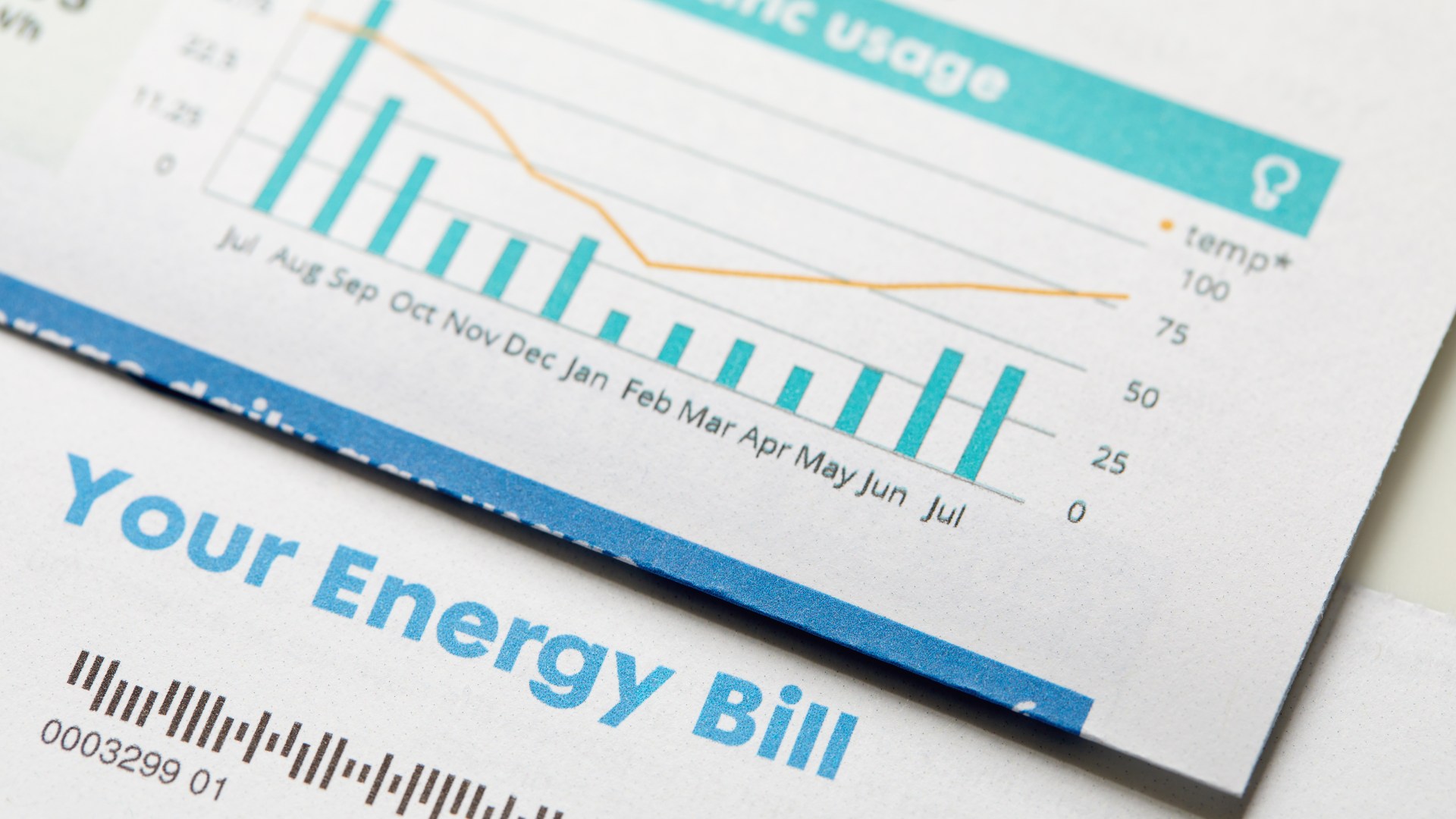
Efficiency ratings alone do not tell you what the system will cost to operate. Local electricity and fuel prices matter.
Build a local comparison
- Your current annual gas, propane, oil or electric heating use
- Your local electricity price
- Your local fuel price
- The efficiency of the old equipment
- The expected efficiency of the new equipment
- How much cooling you use in summer
A heat pump can be efficient and still have a higher operating cost in a location with unusually expensive electricity and cheap fuel. The opposite can also be true.
Understand Heat-Pump Efficiency Ratings
Heat pumps use ratings that describe cooling and heating efficiency. You may see SEER2 for cooling and HSPF2 for heating on current equipment.
Do not choose a unit based only on the largest rating number. A high-efficiency model that is poorly installed, badly sized or connected to leaking ducts can perform worse than a modest model installed correctly.
Understand Furnace Efficiency
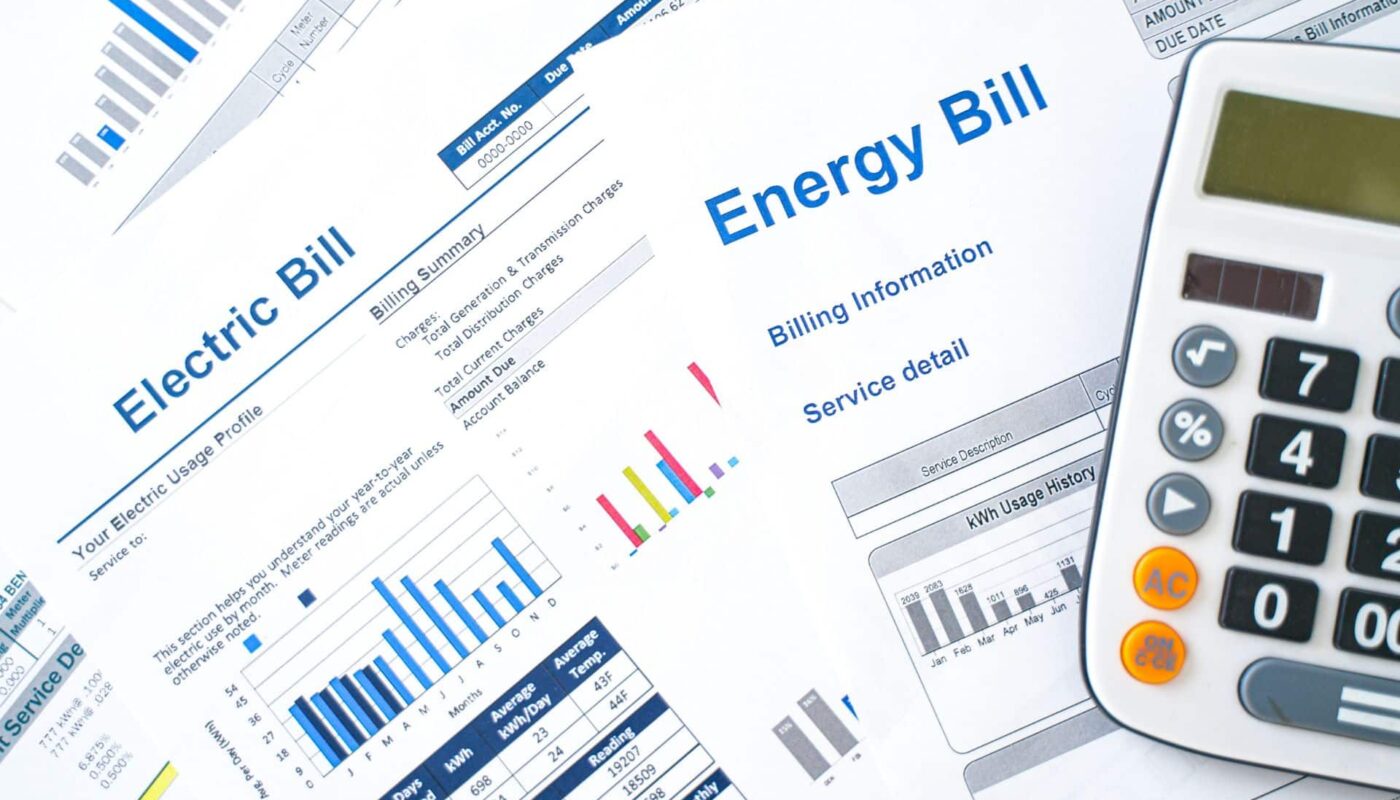
Furnaces commonly use AFUE, or Annual Fuel Utilization Efficiency, to describe the percentage of fuel energy converted into usable heat over a typical season.
A higher AFUE can reduce fuel waste, but it is still only one part of the total decision.
Also compare
- Fuel price
- Venting requirements
- Blower efficiency
- Duct condition
- Maintenance needs
- Installation quality
Cooling Needs Can Make a Heat Pump More Attractive
If your air conditioner is also near the end of its life, a heat pump can replace both heating and cooling functions in one system.
If you live in a mild climate and already have a working air conditioner that may last another decade, the economics can look different.
Compare the actual replacement timing
Do not replace functioning equipment solely because a calculator says a new system is more efficient. Include the remaining life and repair condition of the existing equipment.
Ductwork Can Change the Installation Cost
A ducted heat pump and a furnace can often use existing ductwork, but the ducts still need to be inspected for size, leakage and condition.
Ductless systems solve a different problem
A ductless mini-split can be useful in homes without central ducts, additions, converted garages or rooms that are difficult to condition.
However, multiple indoor heads may be required for a whole home. Ask how bedrooms and closed rooms will receive heating and cooling.
Electrical Capacity Is a Critical Check
Switching from a fossil-fuel furnace to an electric heat pump can increase electrical demand. Some homes may need panel, circuit or service upgrades.
Before signing a contract, ask
- What breaker size does the outdoor unit require?
- What electrical service does the home have?
- Will backup electric heat be installed?
- Will the panel need an upgrade?
- Are electrical permit costs included?
A quote that leaves out required electrical work can make the project look cheaper than it really is.
Gas Furnaces Have Venting and Combustion Requirements
Fuel-burning equipment requires safe combustion and venting. Replacing an older furnace can involve vent changes, condensate drainage or chimney considerations depending on the equipment.
Carbon monoxide safety is essential. Use qualified contractors for combustion equipment and maintain working carbon monoxide alarms as required by local codes and manufacturer guidance.
Heat Pumps Can Use Backup Heat in Different Ways
A heat pump may use electric resistance backup, a gas furnace in a dual-fuel setup, or another backup strategy during very cold weather or defrost cycles.
Ask what the thermostat will do
You should understand when backup heat operates and how much power or fuel it uses. A system that depends heavily on electric resistance heat can have very different operating costs from one that meets most winter needs with the heat pump compressor.
Comfort Feels Different
Furnaces often deliver warmer air from the vents for shorter periods. Heat pumps can run longer and deliver a steadier stream of moderately warm air.
Some homeowners interpret that lower supply-air temperature as “cold” even when the room temperature is correct.
Comfort questions to consider
- Do you prefer steady temperatures or short bursts of hotter air?
- Are some rooms currently too hot or cold?
- Does the home have zoning?
- Would continuous low-speed airflow bother you?
- Are outdoor-unit noise and placement concerns important?
Maintenance Requirements Are Different but Both Need Care
Both systems need filter changes and regular inspections. Heat pumps run in both heating and cooling seasons, so the outdoor unit and refrigeration system work much of the year.
Heat-pump maintenance may include
- Cleaning coils
- Checking refrigerant system performance
- Inspecting drains
- Checking defrost operation
- Cleaning or replacing filters
Furnace maintenance may include
- Combustion and heat-exchanger checks
- Venting inspection
- Burner maintenance
- Blower inspection
- Filter replacement
Compare Total Installed Cost, Not Equipment Price
A complete quote should include the work required to make the system operate safely.
Ask contractors to itemize
- Equipment
- Labor
- Removal and disposal
- Duct modifications
- Electrical work
- Thermostat
- Condensate work
- Permits
- Startup and commissioning
- Warranty registration
Do not compare a bare equipment quote with a full installed quote.
Rebates and Incentives Should Be Verified Before You Buy
Energy rebates, tax incentives and utility programs can change. Eligibility may depend on household income, equipment specifications, installation date, contractor qualifications and location.
Do not let a salesperson promise a specific incentive without showing the official current program terms. Verify with the government agency, utility or program administrator before counting the money in your budget.
Get at Least Three Comparable Quotes
Ask contractors to quote the same basic scope and explain any differences.
| Question | Quote A | Quote B | Quote C |
|---|---|---|---|
| System type | |||
| Heating capacity | |||
| Cooling capacity | |||
| Efficiency | |||
| Electrical work | |||
| Duct work | |||
| Warranty | |||
| Total installed price |
Real-World Scenario: Furnace and AC Both Near Failure
Ben has a 20-year-old gas furnace and an aging central air conditioner. The furnace still runs, but both systems need frequent repairs.
One contractor quotes a new furnace only. Another quotes a furnace plus air conditioner. A third quotes a cold-climate heat pump with electrical upgrades.
At first, the heat pump looks much more expensive than the furnace-only quote. Ben realizes that is not a fair comparison because the heat pump also replaces the cooling system. He compares the heat pump with the combined furnace-and-AC package, includes electrical work, checks local utility costs and asks for a load calculation.
The decision becomes clearer once the scopes match.
When a Furnace May Be the Practical Choice
- Your existing fuel is inexpensive and available.
- Your electrical service would require a costly upgrade.
- You have a recently installed, efficient air conditioner.
- A qualified contractor shows that the furnace option has a lower total cost for your situation.
- You have specific cold-weather needs that the proposed heat-pump design does not meet well.
When a Heat Pump May Be the Practical Choice
- You need both heating and cooling replacement.
- Your climate and local electricity prices support good operating economics.
- Your home is well weatherized or will be improved.
- Your electrical system can support the equipment without excessive upgrades.
- You want to reduce or eliminate on-site combustion.
- A cold-climate model can meet the home’s calculated load.
Common Heat Pump vs Furnace Mistakes
- Comparing a heat pump with a furnace while ignoring air-conditioning cost.
- Choosing equipment by square footage alone.
- Ignoring insulation and air leakage.
- Ignoring duct condition.
- Assuming every heat pump performs the same in cold weather.
- Forgetting electrical-upgrade costs.
- Choosing the highest efficiency rating without checking installation quality.
- Assuming future rebates are guaranteed.
- Getting only one quote.
- Replacing equipment before checking whether repair is still reasonable.
Frequently Asked Questions
Can a heat pump work in cold weather?
Yes. Modern cold-climate heat pumps can operate at low outdoor temperatures, but model capacity and efficiency vary. Ask for performance data at your local design temperature.
Does a heat pump replace an air conditioner?
Most air-source heat pumps provide both heating and cooling, so they can replace a separate AC system.
Is a furnace cheaper to operate?
Not always. Operating cost depends on local fuel and electricity prices, equipment efficiency, climate and the home’s heating load.
Should I replace my furnace before it fails?
Replacement can make sense when reliability, repair cost or safety is becoming a problem, but do not replace functioning equipment solely because a salesperson promises savings.
What matters most in installation?
Correct sizing, duct condition, refrigerant or combustion setup, airflow, electrical work and commissioning can matter as much as the equipment brand.
Conclusion: Compare the Whole System
The heat pump vs furnace decision is not a contest between two technologies. It is a comparison between complete home-heating strategies.
Start with the building envelope and a real load calculation. Compare local energy prices, cooling needs, ductwork, electrical capacity, installation scope and maintenance. Get several written quotes and verify incentives independently.
The best system is the one that can keep your specific home comfortable safely and efficiently at a total cost your household can manage.