A budget can look balanced until a car repair, annual insurance bill, school expense, holiday cost, or home maintenance bill arrives. These expenses feel like surprises when they are not paid monthly, even though many of them are predictable. A sinking fund turns a future expense into smaller monthly savings.
This guide explains sinking funds for beginners, including how to choose categories, calculate monthly contributions, keep the money organized, and decide when a sinking fund should be separate from your emergency fund. The goal is to make irregular costs less disruptive without creating dozens of accounts or a complicated system.
If you are building your first full budget, start with our monthly budget guide and add sinking funds once your regular bills are clear.
What Is a Sinking Fund?
A sinking fund is money you save gradually for a known or reasonably expected future expense. You know the cost is likely to happen, even if you do not know the exact date or amount.
Common sinking-fund categories
- Car repairs and maintenance
- Annual insurance premiums
- Property taxes if not escrowed
- Holiday spending
- School supplies and fees
- Medical deductibles
- Home maintenance
- Technology replacement
- Travel
- Professional fees or licenses
- Pet care
- Gifts
Sinking Fund vs. Emergency Fund
The two ideas are related but different.
Sinking fund: for an expense you expect or can plan for.
Emergency fund: for unexpected financial shocks such as an urgent repair, income interruption, or unplanned medical cost.
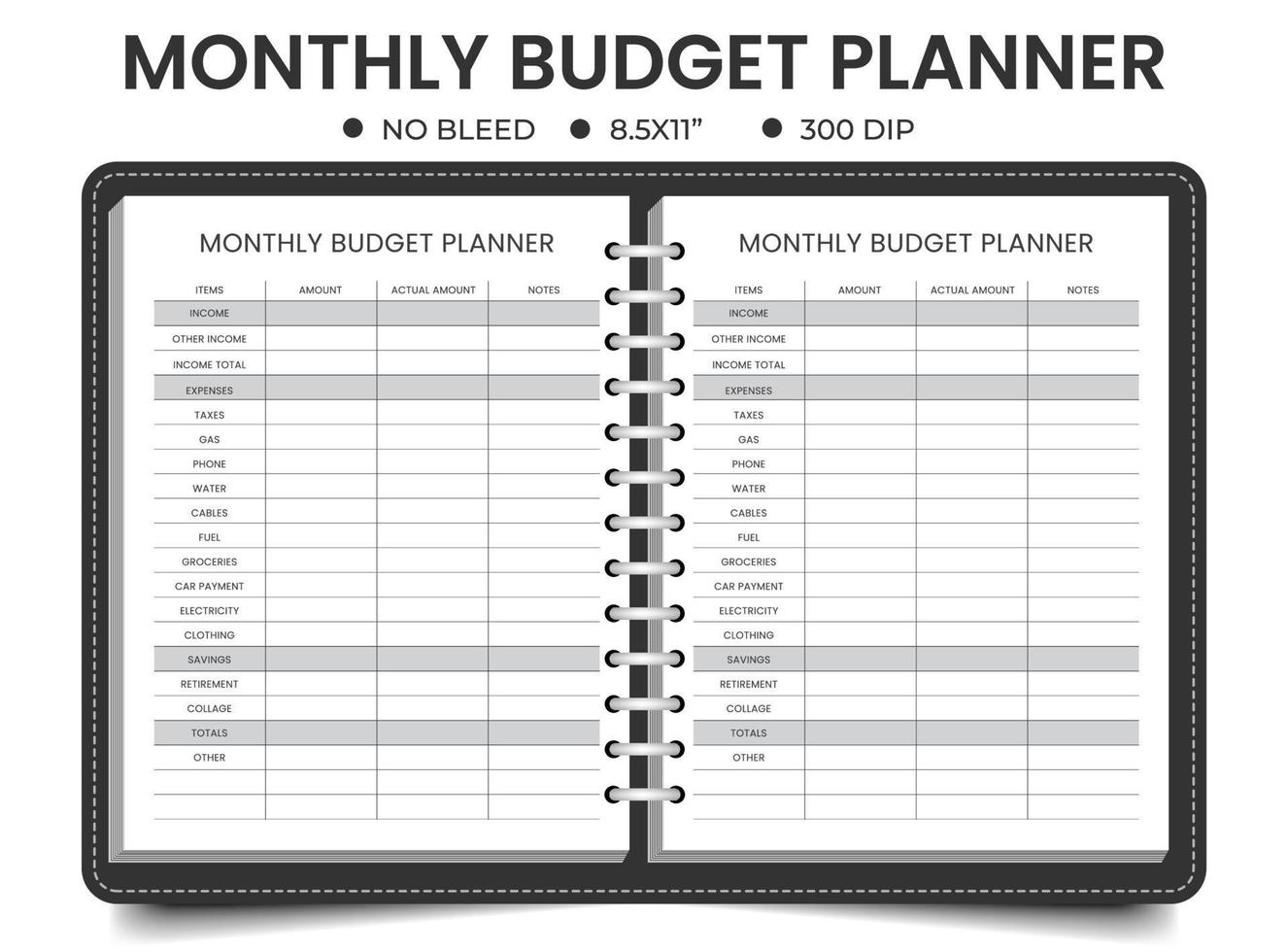
The CFPB’s emergency fund guidance describes dedicated emergency savings as a way to manage unplanned expenses. A sinking fund helps prevent predictable costs from using that emergency reserve.
Why Sinking Funds Make a Budget More Realistic
A monthly budget that includes rent, food, utilities, and debt but ignores annual expenses can create a false sense of affordability. When the annual bill arrives, you may rely on a credit card or drain savings.
Sinking funds convert irregular costs into monthly obligations. A $600 annual car insurance bill becomes a $50 monthly savings target. A $1,200 annual car-repair allowance becomes $100 per month.
Step 1: Review the Last 12 Months
Look through bank and credit-card statements for non-monthly expenses. Write down everything that cost enough to disrupt a normal month.
Look for
- Vehicle registration
- Insurance renewals
- Medical costs
- School expenses
- Travel
- Repairs
- Annual subscriptions
- Birthdays and holidays
- Professional fees
This is more accurate than trying to remember every irregular expense from memory.
Step 2: Separate Predictable From Truly Unexpected
A tire replacement is not scheduled to the exact day, but tire wear is predictable. An annual registration fee is clearly predictable. A sudden job loss is not.
Put reasonably predictable costs into sinking funds. Keep the emergency fund for events that are difficult to plan specifically.
Step 3: Choose Only the Most Important Categories First
You do not need 20 sinking funds. Start with the expenses most likely to create debt.
A beginner may start with
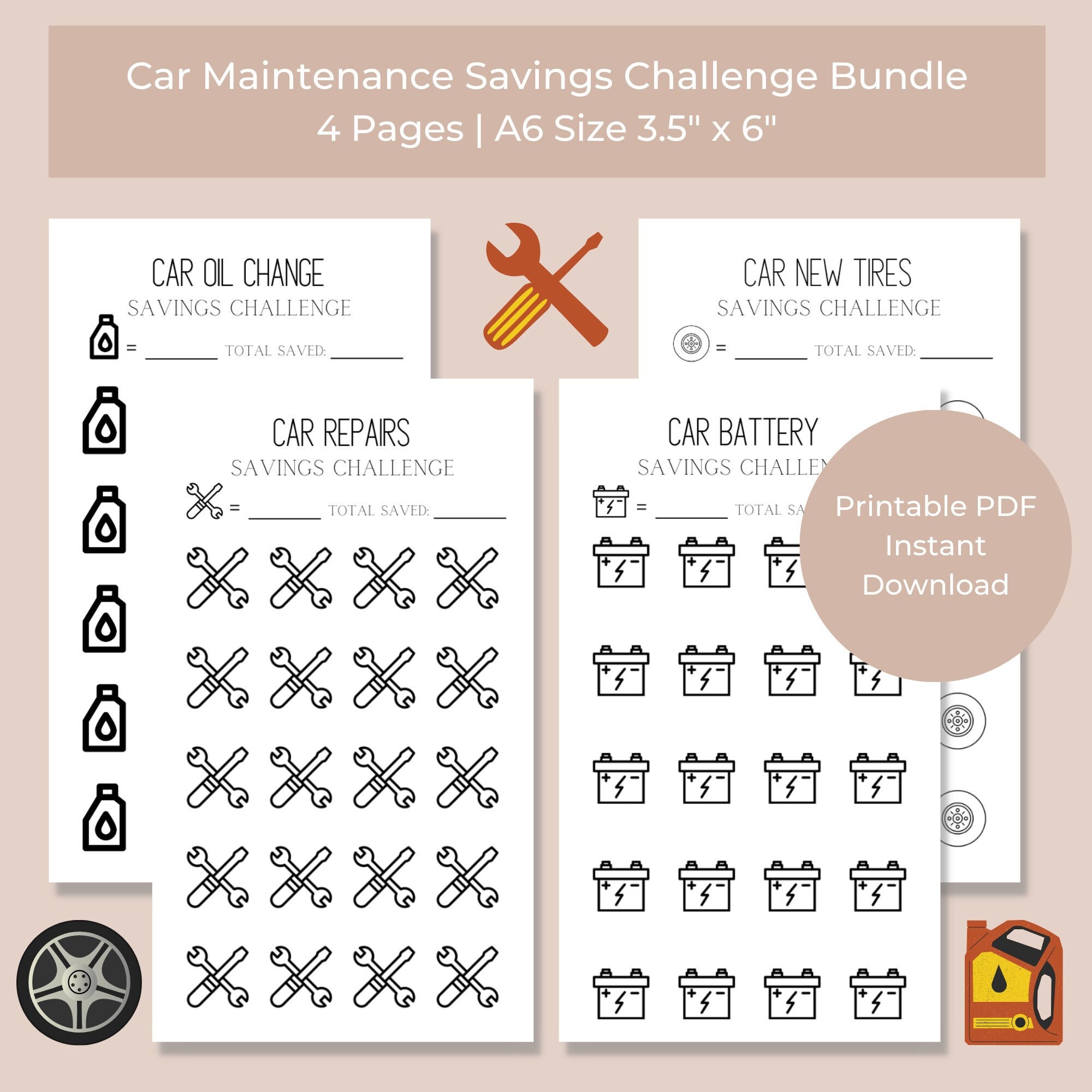
- Car maintenance
- Annual bills
- Medical costs
- Home or renter-related costs
- One personal goal
Add more categories after the system becomes easy to maintain.
Step 4: Calculate the Monthly Contribution
Use a simple formula:
Expected cost ÷ months until needed = monthly sinking-fund contribution.
Example: you expect a $720 insurance premium in 12 months. Save $60 per month.
If you need $900 in six months, save $150 per month.
Step 5: Estimate Unknown Costs Conservatively
Some costs are unpredictable in amount but predictable in category. You may not know your next car repair, but you know the vehicle will require maintenance.
Use your recent history, vehicle age, home condition, insurance deductible, or average annual spending to choose a reasonable target. Review it periodically.
Step 6: Decide Where to Keep Sinking Funds
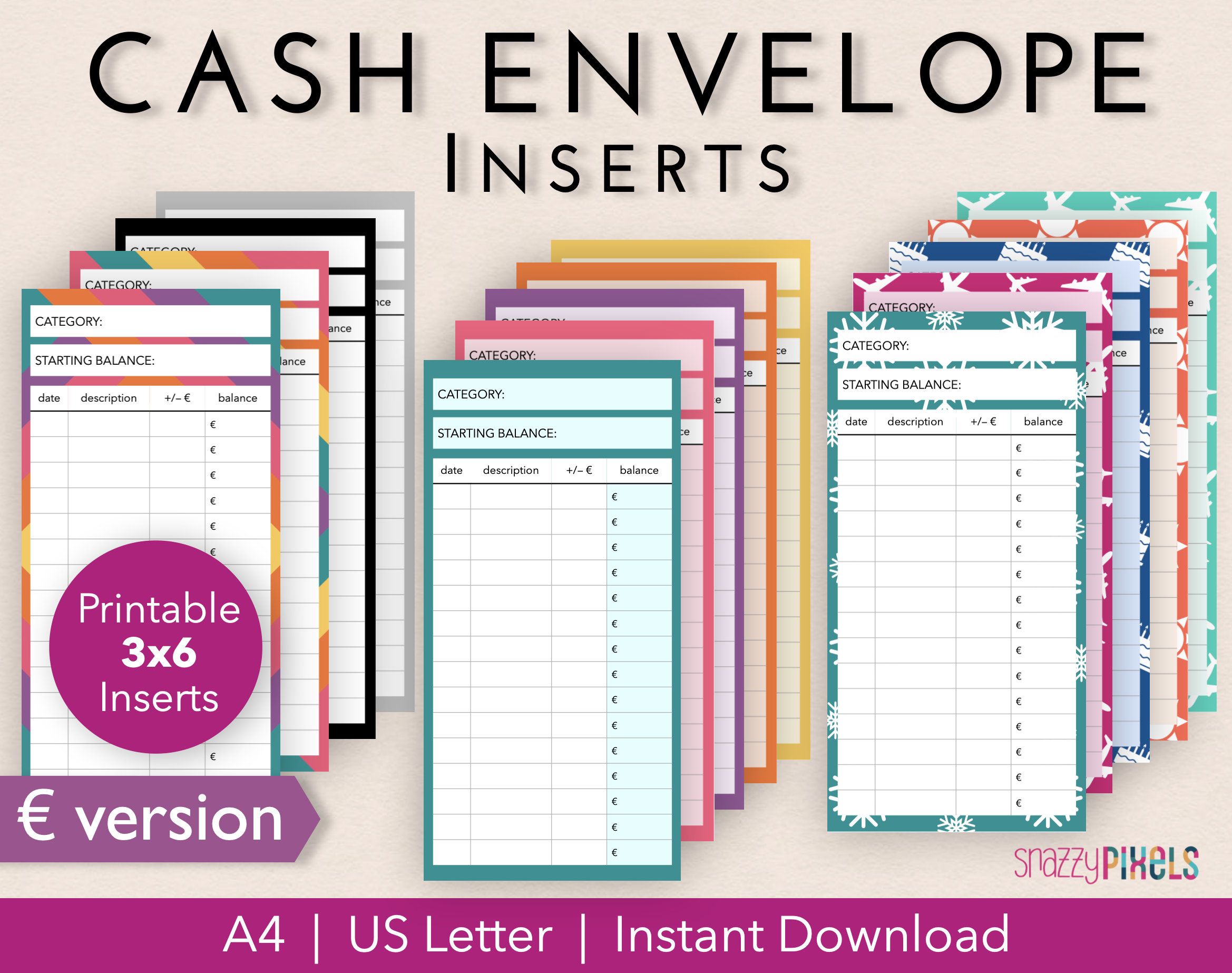
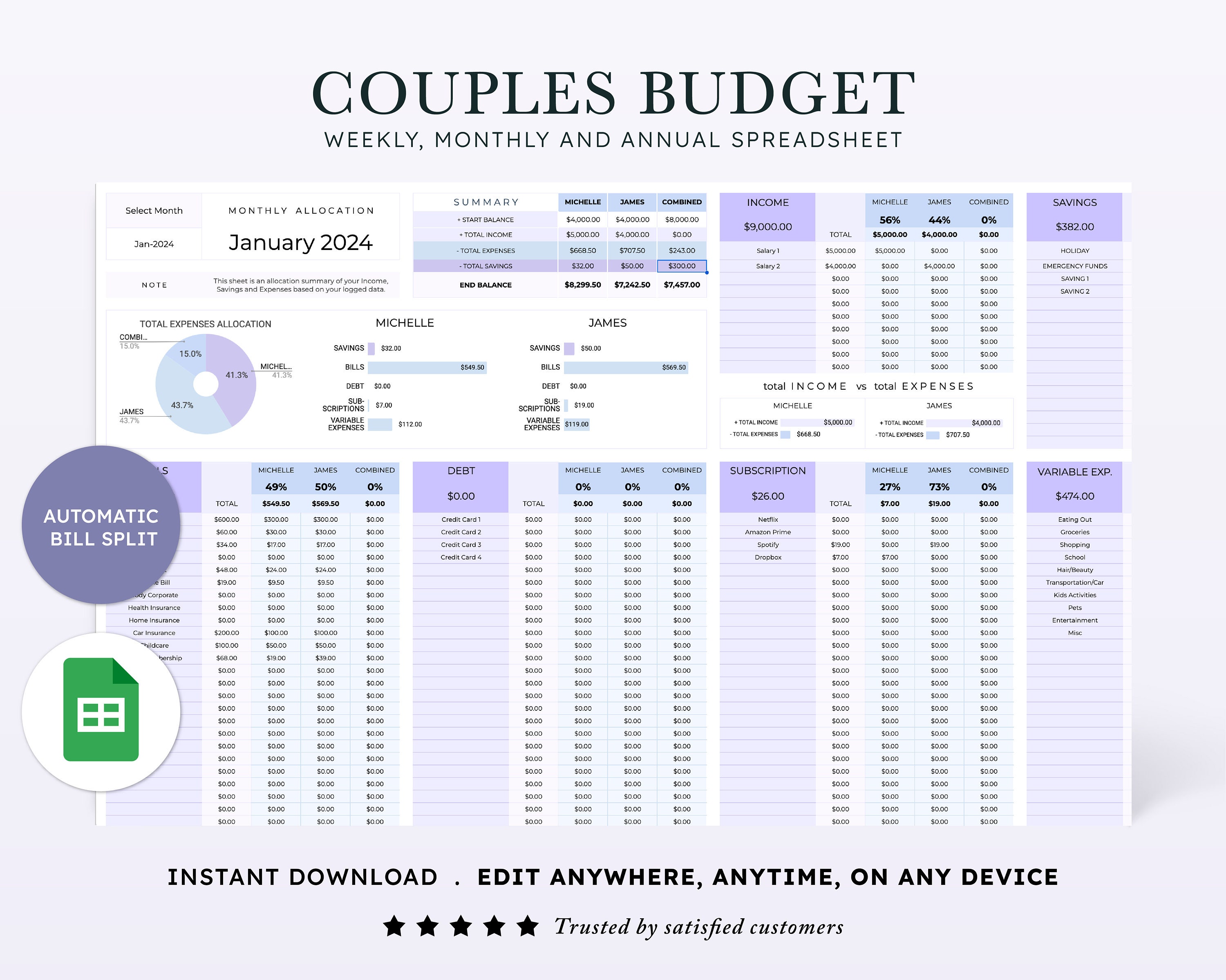
You can use one savings account with a spreadsheet, multiple labeled savings buckets if your bank supports them, or separate accounts if that helps you stay organized.
The money should generally be accessible on the timeline you expect to use it. Do not put a six-month insurance fund into a volatile investment where the value could fall when the bill is due.
Step 7: Automate Contributions
Automatic transfers can make saving consistent. Schedule transfers just after payday if cash flow allows.
If your income varies, automate a smaller baseline amount and add more during stronger months. The CFPB notes that automatic saving can help make contributions consistent.

Step 8: Add Sinking Funds to the Budget as Real Expenses
If you save $50 for insurance, $75 for car repairs, and $40 for medical costs, your monthly budget should include $165 for sinking funds.
Do not treat that $165 as “extra money.” It is already assigned to future bills.
Step 9: Use the Money Only for Its Purpose
A sinking fund works because the money remains available when the planned expense arrives. If you repeatedly borrow from car repairs for entertainment, the system loses its value.
If you need flexibility, keep a small general “irregular expenses” fund rather than raiding specific categories.
Step 10: Refill After You Spend
After using a sinking fund, recalculate the next target. If you spend $600 on tires, start rebuilding for the next maintenance cycle.
Sinking Fund Example
| Category | Annual/target cost | Monthly savings |
|---|---|---|
| Car maintenance | $1,200 | $100 |
| Insurance | $600 | $50 |
| Medical | $600 | $50 |
| Gifts/holidays | $480 | $40 |
| Technology | $360 | $30 |
| Total | $3,240 | $270 |
This example shows why irregular expenses matter. A budget that ignores $270 per month of predictable future costs may look healthier than it really is.
How to Prioritize When You Cannot Fund Everything
If your budget is tight, prioritize categories that protect income, housing, health, and legal obligations.
Higher-priority examples
- Vehicle maintenance if the car is necessary for work
- Insurance premiums
- Medical deductible
- Essential home repair
- Professional license needed for employment
Lower-priority or adjustable examples
- Vacation
- Large holiday budget
- Electronics upgrade
- Decor
You can still save for enjoyable goals, but essentials should not be sacrificed to hit a lifestyle target.
Use a Priority Ladder for Sinking Funds
When your budget cannot fully fund every future expense, rank each sinking fund by deadline and consequence. Start with costs that have a fixed due date or could threaten your ability to work, stay insured, or remain safely housed. Vehicle registration, required insurance premiums, necessary car maintenance, medical deductibles, and essential home repairs usually deserve attention before flexible goals such as vacations or electronics.
Next, separate fixed-deadline funds from flexible-target funds. A six-month insurance renewal has a clear date, so divide the remaining amount by the pay periods left. A future laptop replacement may be flexible; you can contribute less during a difficult month and catch up later. This prevents one optional goal from forcing you to miss a required bill.
Review the ladder after major changes
Reorder priorities after a move, job change, new vehicle, insurance renewal, medical event, or major purchase. A sinking-fund system should respond to real life. If an expense disappears, redirect that monthly contribution instead of letting it quietly become unplanned spending. If a new mandatory cost appears, reduce lower-priority categories before taking on debt. A short quarterly review keeps the system useful without turning budgeting into a daily project.
How Sinking Funds Help Reduce Credit-Card Dependence
Many people use credit cards for expenses that were predictable but not budgeted. A sinking fund lets you pay from saved cash instead of creating a balance.
If you already have debt, our zero-based budgeting guide can help you assign money to both debt and future expenses.
Sinking Funds for Irregular Income
If income changes each month, use a two-level approach:
- Set a minimum contribution you can make in weak months.
- Use a percentage of stronger-month income to catch up.
Prioritize sinking funds with fixed deadlines, such as annual insurance, over flexible goals.
What If the Bill Arrives Before the Fund Is Full?
Use the saved amount first. Then decide how to cover the remaining cost without automatically using high-interest debt.
Possible options include reducing flexible spending, adjusting another lower-priority sinking fund, negotiating a payment date where appropriate, or using emergency savings if the expense qualifies as an emergency.
Do You Need a Separate Bank Account for Every Fund?
No. Some people prefer one account with labeled categories in a spreadsheet or budgeting app. Others need physical separation to avoid spending the money.
Choose the simplest system that prevents confusion.
Annual Sinking-Fund Review
Once or twice a year, review:
- Did actual costs match estimates?
- Which categories were never used?
- Which categories were too low?
- Are new expenses coming next year?
- Can you reduce any annual bill?
If an annual subscription is no longer useful, canceling it is better than building a sinking fund to keep paying it.
Common Sinking-Fund Mistakes
- Creating too many categories at once.
- Forgetting to include contributions in the monthly budget.
- Using the money for unrelated spending.
- Keeping short-term funds in risky investments.
- Ignoring irregular expenses because the exact amount is unknown.
- Funding vacations while having no plan for essential repairs.
- Confusing sinking funds with emergency savings.
Sinking-Fund Setup Checklist
- Review 12 months of transactions.
- List irregular expenses.
- Choose 3–5 priority categories.
- Estimate each target.
- Calculate monthly contributions.
- Choose a storage method.
- Automate where possible.
- Track balances.
- Refill after spending.
- Review targets twice a year.
Frequently Asked Questions
How many sinking funds should I have?
As many as you can manage without making the system confusing. Beginners often do better with a few important categories.
Is a car repair a sinking-fund expense or emergency?
Routine maintenance and expected repairs can be sinking-fund expenses. A sudden major failure beyond what you saved may also require emergency savings.
Should I save for annual subscriptions?
If you genuinely use them, yes. But review whether the service is still worth paying for before automatically renewing.
Can I have sinking funds while paying debt?
Yes. Small sinking funds can prevent predictable expenses from creating new debt while you repay existing balances.
Where should I keep the money?
For near-term expenses, many people use an accessible savings account or bank sub-account. Match the location to the time horizon and your need for stability.
Conclusion: Make Irregular Expenses Regular in Your Plan
Sinking funds are simple because they turn a large future bill into smaller contributions today. Review past spending, choose the expenses most likely to disrupt your budget, calculate monthly targets, and keep the money separated from everyday spending.
You do not need a perfect system. Even one sinking fund for car repairs or annual insurance can reduce stress and credit-card dependence. Build a few categories, automate what you can, and adjust the targets as real life gives you better information.