
Finding a budget-friendly rental home in 2026 requires more than filtering listings by the lowest monthly rent. A property can appear affordable and become expensive after utilities, parking, application fees, commuting, insurance, deposits, or mandatory service charges are added. The smartest rental search compares the total monthly cost, lease terms, location, condition, and legitimacy of the listing before money changes hands.

This guide explains how to find budget-friendly rental homes without relying on unrealistic “secret deal” claims. It covers budgeting, search strategy, move-in costs, rental scams, shared housing, lease review, assistance resources, inspections, and the questions that can help you make a safer financial decision.
Decide What You Can Afford Before Opening Rental Apps
Start with your household’s actual take-home income and essential expenses. Rent is only one part of the budget, so do not choose a maximum rental price by copying a percentage rule without checking your own cash flow.
Include these monthly obligations
- Food
- Utilities
- Transportation
- Insurance
- Healthcare
- Childcare or education costs
- Debt payments
- Savings and emergency needs
- Phone and internet
- Other necessary household expenses
Our monthly budget guide can help you calculate a realistic housing limit before the search begins.
Compare Total Rent, Not Just Base Rent
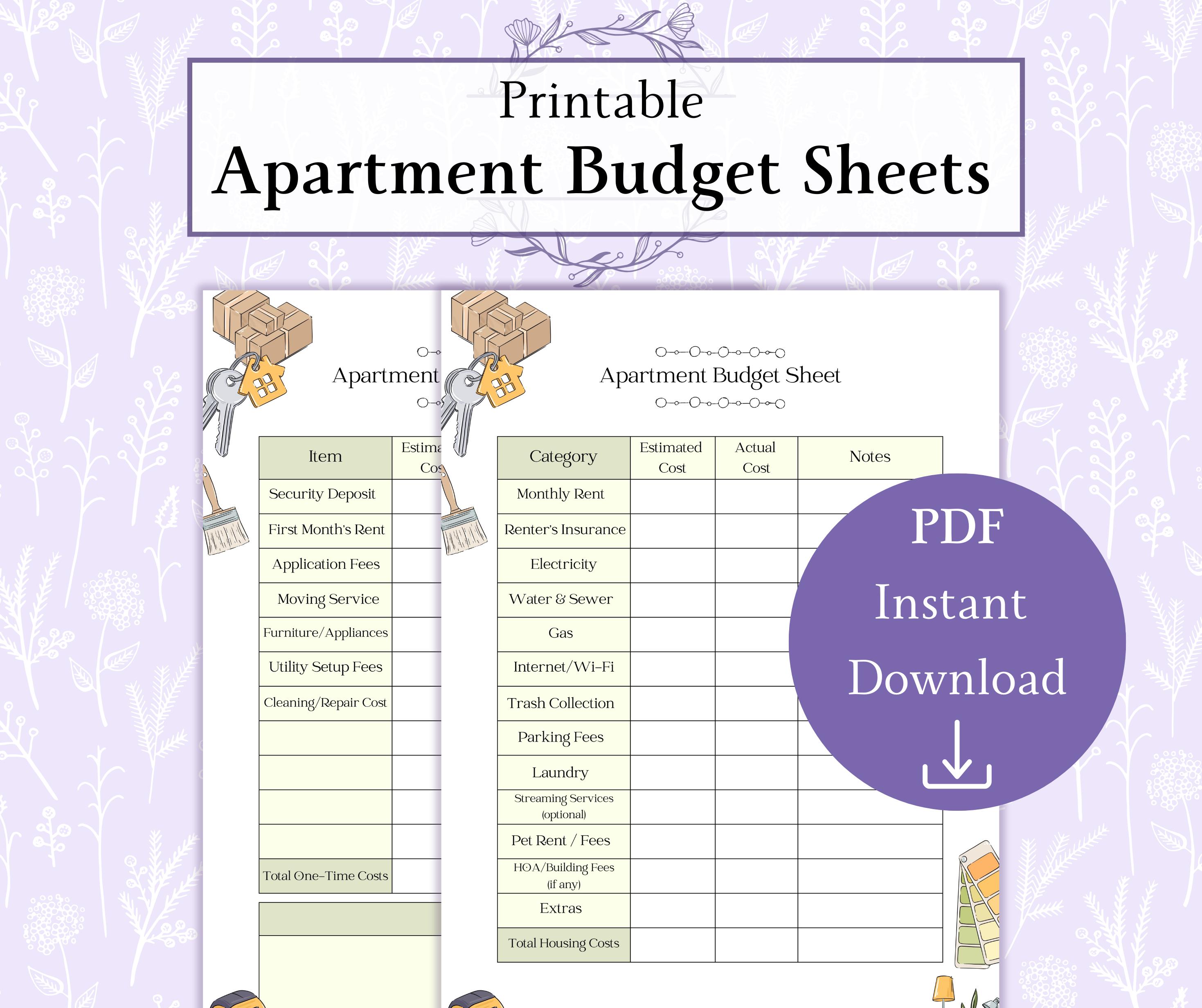
Many listings highlight base rent while other required charges appear later. Ask for a written breakdown of recurring costs before deciding that one home is cheaper than another.
| Cost | Questions to Ask |
|---|---|
| Base rent | What is the exact monthly amount? |
| Utilities | Which are included and which do I pay separately? |
| Parking | Included, optional, or mandatory? |
| Internet | Can I choose a provider or is there a required fee? |
| Pet costs | Deposit, monthly rent, or other fees? |
| Amenity/service fees | Are any mandatory? |
| Laundry | In-unit, paid facility, or off-site? |
| Insurance | Is renters insurance required? |
A slightly higher base rent that includes several utilities can sometimes be less expensive than a cheaper unit with multiple mandatory add-ons.
Calculate Move-In Costs Separately
A rental may fit your monthly budget but still require significant cash upfront. Planning for move-in costs reduces the risk of signing a lease and then relying on expensive debt for basic setup.
Possible upfront costs
- Application or screening fees
- Security deposit
- First month’s rent
- Other lawful prepaid rent where applicable
- Utility deposits
- Moving costs
- Renter’s insurance
- Basic furniture or household supplies
Rules about deposits and fees vary by state and locality, so check the law where you are renting if an amount seems unusual.
Expand the Search Radius Carefully
Moving a few miles away from a high-demand neighborhood can sometimes reduce housing costs, but distance has a price too. Compare transportation before assuming a farther location is cheaper.
Estimate the commute
- Fuel
- Transit fares
- Parking
- Tolls
- Vehicle maintenance
- Time spent commuting
If a $100 rent saving creates $150 in additional transportation cost, it does not improve the household budget.
Search Several Types of Rental Sources
Large listing websites are convenient, but they are not the only place to look. Depending on your area, legitimate rentals may also be advertised by established property-management companies, local apartment communities, housing agencies, or verified local landlords.
Build a repeatable search routine
- Set your maximum all-in monthly cost.
- Choose several acceptable neighborhoods.
- Save searches with the correct bedroom and price limits.
- Check new listings regularly.
- Track promising properties in one spreadsheet or note.
- Verify every listing independently before applying.
Keeping one comparison list prevents you from losing track of fees, utility details, and lease terms across multiple properties.
Verify Every Rental Listing Independently
Rental scams can use real photos, addresses, and descriptions copied from legitimate listings. A professional-looking ad is not proof that the person requesting money controls the property.
The Federal Trade Commission’s current rental listing scam guidance warns that scammers may copy legitimate rental advertisements and change the contact information to collect money from prospective renters.
Verification steps
- Search the property address independently.
- Compare the listing across multiple sources.
- Verify the property-management company or landlord using an independent contact method.
- See the property when practical, or use a trusted local person if you are relocating.
- Question pressure to pay before reasonable verification.
- Get important fees and terms in writing.
Do not send sensitive documents or money to an unverified person simply because the listing appears urgent.
Prepare Rental Application Documents in Advance
Being organized can help you respond quickly to a legitimate listing without making rushed financial decisions.
Common items landlords may request
- Government-issued identification
- Proof of income
- Employment information
- Rental history
- References
- Authorization for lawful screening
Requirements differ by landlord and jurisdiction. Keep copies of documents secure and share them only through a verified process.
Use a Rental Comparison Sheet
Comparing properties by memory makes it easy to focus on one attractive feature and forget important costs. Use a simple table.
| Factor | Rental A | Rental B |
|---|---|---|
| Base rent | ___ | ___ |
| Required monthly fees | ___ | ___ |
| Estimated utilities | ___ | ___ |
| Transportation | ___ | ___ |
| Move-in cash needed | ___ | ___ |
| Lease length | ___ | ___ |
| Parking | ___ | ___ |
| Laundry | ___ | ___ |
| Condition | ___ | ___ |
| Commute | ___ | ___ |
Rank each home by how well it fits your real needs, not by how impressive the listing photos look.
Inspect the Actual Property
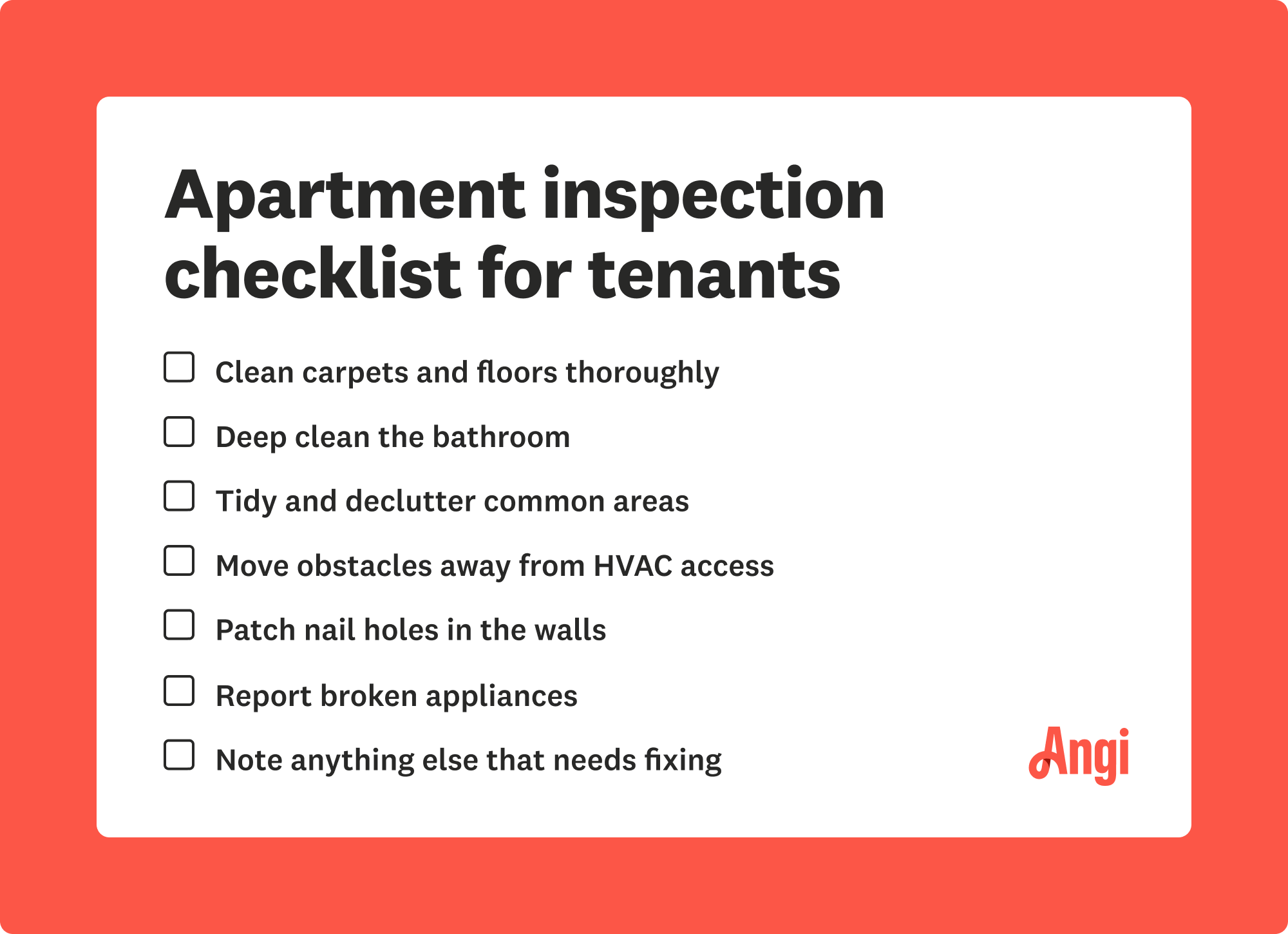
When possible, see the rental before signing. Pay attention to the condition of the exact unit, not only a model apartment.
Basic inspection points
- Doors and locks
- Windows
- Visible plumbing leaks
- Heating and cooling
- Electrical outlets and obvious damage
- Smoke and carbon monoxide alarms where required
- Signs of moisture or unresolved maintenance
- Appliances included with the lease
- Common areas
- Parking and entry access
Document existing damage according to the landlord’s move-in process and keep copies for your records.
Read the Lease Before Paying or Signing
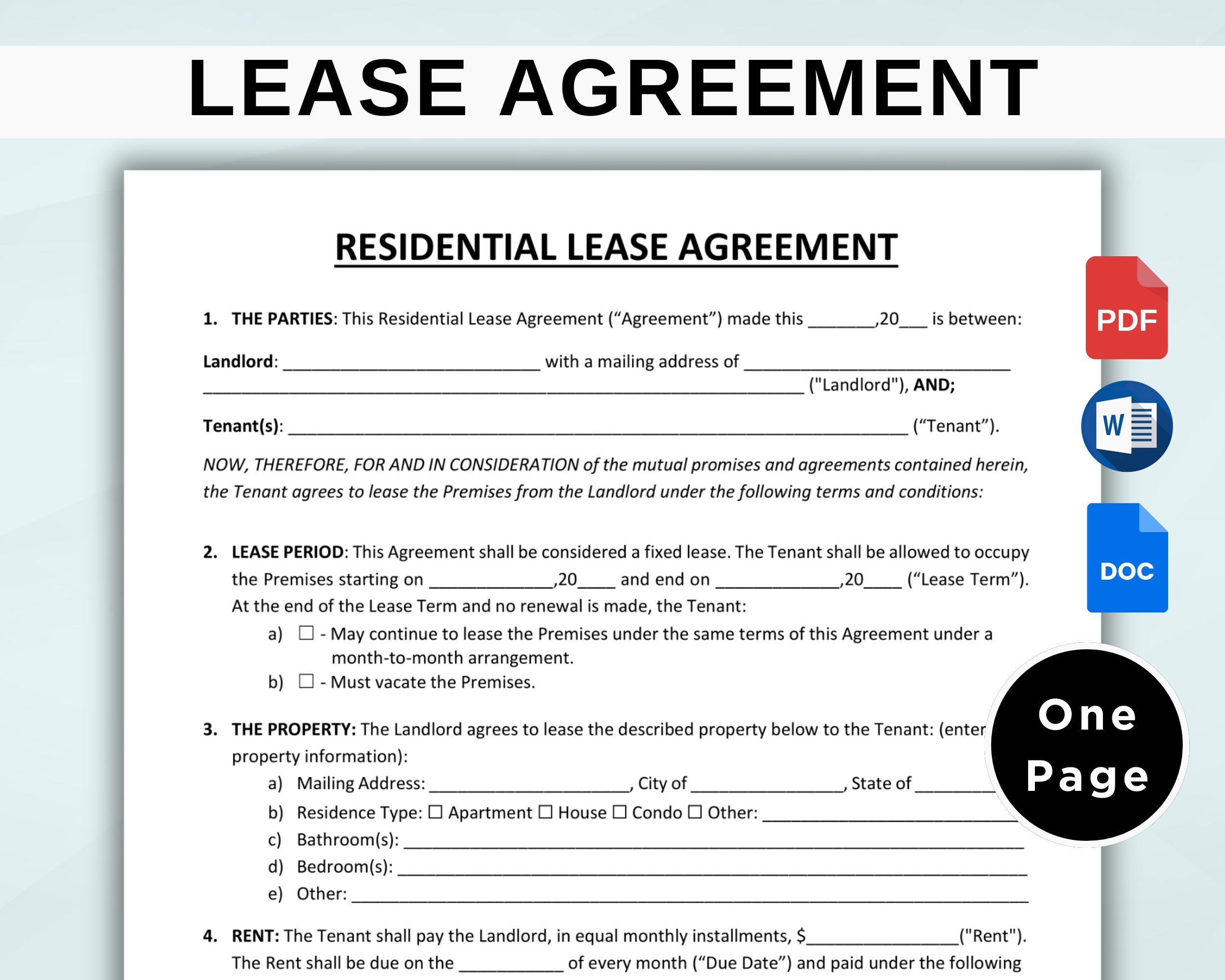
A lease is a financial and legal commitment. Read the full agreement rather than relying on what was said during a tour.
Check these terms
- Rent amount and due date
- Lease start and end date
- Renewal rules
- Late fees
- Utility responsibilities
- Maintenance procedures
- Pet rules
- Guest and occupancy rules
- Parking
- Notice requirements
- Early termination provisions
- Rules about subletting
If a lease term has important legal consequences that you do not understand, consult an appropriate local tenant resource, legal-aid organization, or qualified professional.
Understand Rent Concessions
Some properties advertise a free month, reduced deposit, or promotional rate. A concession can be useful, but calculate the full lease cost.
Example
If a property advertises one month free on a 12-month lease, ask whether the displayed monthly price is the actual rent charged each month or an “effective” average after the concession. Also ask what rent will apply at renewal.
Do not choose a rental based on the promotional headline without reading the actual payment schedule.
Ask About Utility History and Responsibility
Utility bills can vary significantly between homes. Ask which utilities you control directly, which are billed by the landlord, and whether any billing formula is used for shared utilities.
If historical information is available, use it only as a rough guide because household size, weather, usage, and rates change.
Consider Roommates or Shared Housing
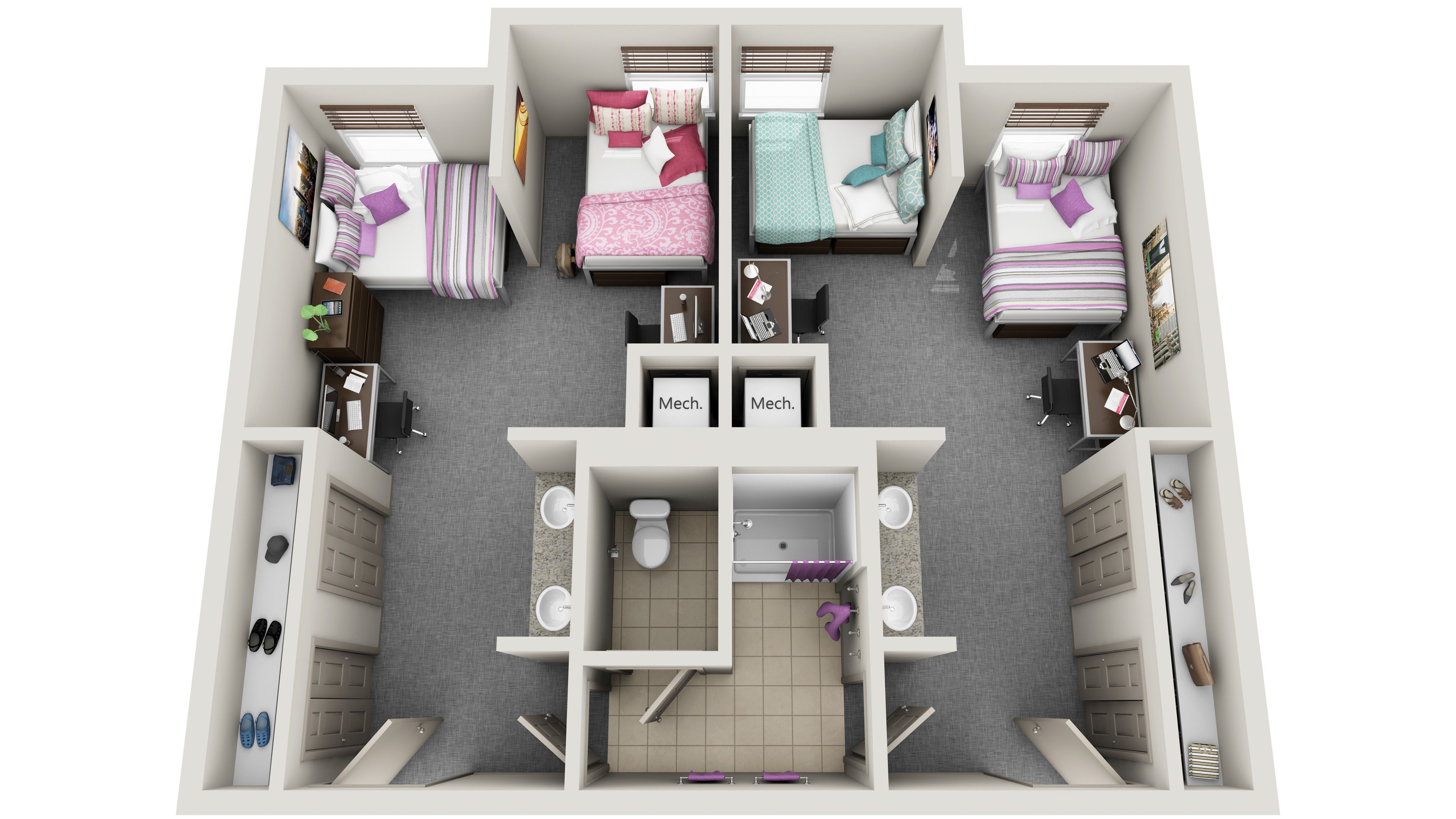
Sharing a home can lower per-person housing costs, but it creates financial and lifestyle dependencies. Make sure the lease permits the arrangement and understand each person’s legal responsibility.
Our shared living guide explains how to divide expenses, protect privacy, verify leases, and avoid treating a “50% saving” as a guarantee.
Discuss before moving in
- Rent division
- Utilities
- Cleaning
- Guests
- Noise
- Shared supplies
- What happens if someone moves out
Compare Co-Living With Traditional Rentals
Co-living may bundle furniture, utilities, cleaning, or flexible terms. That convenience can be valuable, but bundled pricing is not automatically cheaper.
See our co-living guide for a detailed comparison. Always calculate total monthly cost and privacy tradeoffs.
Check Official Housing Assistance if Your Household May Qualify
Families and individuals with limited income may qualify for certain housing programs, but eligibility, funding, and waiting-list availability vary.
HUD’s Housing Choice Voucher tenant information explains that the program is administered by local public housing agencies. Waiting lists may be long, so contact the appropriate agency for current status rather than relying on a third-party promise.
You can also use HUD’s contact resources to locate housing help.
Be Skeptical of “Guaranteed Approval” Offers
A legitimate housing application can involve eligibility criteria, screening, income requirements, references, or waiting lists. Be cautious when someone promises guaranteed approval in exchange for a fee, especially if they claim special access to a government program.
Verify assistance through official agencies and verify private rentals through independent sources.
Search by Total Lifestyle Cost When Comparing Cities
If you are willing to relocate, do not compare rent alone. Our budget-friendly cities guide for 2026 explains how to use BEA price-level data, HUD rent benchmarks, salary, utilities, and transportation together.
A lower-rent city can still be more expensive for your household if wages are lower or commuting requirements are much higher.
Do Not Ignore Renter’s Insurance
A landlord’s property insurance generally does not replace a tenant’s personal belongings in the same way a renter’s own coverage might. Some landlords require renters insurance.
Compare coverage, limits, deductibles, exclusions, and price rather than choosing only the lowest premium. Insurance rules and needs vary, so ask a licensed provider or appropriate regulator if you need specific advice.
Plan for Renewal, Not Just Move-In
A rental that barely fits the budget today may become difficult if costs rise at renewal. No renter can predict future rent with certainty, but you can reduce risk by leaving some financial margin when possible.
Before signing, ask
- How is renewal handled?
- How much notice is given?
- Does the lease convert to month-to-month?
- Are there different fees for shorter terms?
Do not assume today’s promotional rate will continue indefinitely.
Know When Buying Is Worth Comparing
Renting can be the right option for flexibility, lower upfront responsibility, or a shorter expected stay. If you are planning to remain in one area for a long time and have sufficient savings, it may also be worth comparing ownership.
Our renting-versus-buying guide explains how to compare the two choices without assuming homeownership is automatically cheaper.
A Seven-Day Rental Search Plan
Day 1: Set the budget
Calculate maximum all-in monthly housing cost and available move-in cash.
Day 2: Choose locations
Select neighborhoods based on commute, safety needs, services, and transportation.
Day 3: Build listing alerts
Use multiple legitimate sources and save searches.
Day 4: Verify and shortlist
Independently check landlords, managers, addresses, and fees.
Day 5: Tour
See the best options and inspect actual units where practical.
Day 6: Compare total costs
Use one table for rent, fees, utilities, commute, and move-in costs.
Day 7: Review the lease
Read terms carefully before paying or signing. Extend the process if anything remains unclear.
Common Rental Search Mistakes
Choosing the lowest advertised rent
Mandatory fees and utilities can change the total cost.
Sending money before verification
Urgency is not a reason to skip independent checks.
Ignoring the commute
Transportation can eliminate housing savings.
Skipping the lease
Verbal promises do not replace written terms.
Spending all savings on move-in
Try to preserve an emergency margin when possible.
Assuming a roommate will always pay
Understand your legal responsibility if another occupant leaves or stops paying.
Frequently Asked Questions
What is the best way to find cheap rental homes in 2026?
Start with a realistic total-cost budget, search multiple legitimate sources, compare several neighborhoods, verify listings independently, and evaluate rent together with utilities, fees, and transportation.
How can I tell whether a rental listing is a scam?
Warning signs can include pressure to pay before verification, conflicting information about the property, or a person who cannot reasonably demonstrate authority to rent it. Follow the FTC’s rental-scam guidance and verify independently.
Should I use a roommate to save money?
It can reduce per-person costs, but only if the arrangement is permitted and financially workable. Discuss bills, privacy, responsibilities, and what happens if someone leaves.
Are Housing Choice Vouchers guaranteed for eligible households?
No. Eligibility rules apply and local agencies may have limited funding or long waiting lists. Contact the local public housing agency for current information.
Is an apartment with free rent for one month always a better deal?
No. Calculate the full lease cost, mandatory fees, and renewal terms. A concession can be useful, but it should not hide a higher overall cost.
Budget-Friendly Rental Checklist
- Set a maximum all-in monthly cost.
- Calculate move-in cash separately.
- Compare base rent plus mandatory fees.
- Estimate utilities.
- Calculate transportation.
- Search multiple legitimate sources.
- Verify the address and landlord independently.
- Tour or otherwise verify the actual property.
- Inspect condition.
- Read the complete lease.
- Evaluate roommates or co-living carefully.
- Check official assistance resources if eligible.
- Keep records of payments and agreements.
- Preserve some emergency savings when possible.
Conclusion
The best budget-friendly rental home in 2026 is not necessarily the listing with the lowest rent. It is the property that fits your household after fees, utilities, transportation, move-in costs, lease terms, and location are considered together.
Set your budget first, verify every listing, compare properties in writing, and use official resources when you need housing assistance. A careful search may take more effort than clicking the cheapest result, but it can help you avoid hidden costs, scams, and a lease that does not fit your financial reality.