
When energy bills are high, the most useful home upgrade is not always a new appliance or expensive renovation. Many homes lose heated or cooled air through gaps, weak insulation, poorly sealed ducts and other problems in the building shell. Weatherization focuses on fixing those sources of waste.
For households with limited income, the federal Weatherization Assistance Program can help eligible homeowners and renters improve energy efficiency and home safety through state and local providers. For households that do not qualify or are waiting for service, careful low-cost DIY sealing can still address some simple problems.
This guide explains both paths. It covers how weatherization assistance works, what to expect during an application, how renters can approach the process, which DIY tasks are reasonable, and where safety limits matter.
What Does Weatherization Mean?
Weatherization means improving a home so it wastes less energy while maintaining or improving health and safety. It is broader than adding caulk around a window.
Weatherization work can involve
- Air sealing
- Insulation
- Duct sealing
- Heating-system checks
- Ventilation improvements
- Energy-related health and safety measures
- Other cost-effective improvements identified by an energy assessment
The exact work depends on the home, program rules and results of the energy audit.
What Is the Weatherization Assistance Program?

The U.S. Department of Energy Weatherization Assistance Program, commonly called WAP, provides federal funding that states, territories and tribes use to support weatherization services for eligible low-income households.
The program is administered locally. You do not normally send a home-improvement request directly to the federal Department of Energy and receive a contractor from Washington. You work through the state, tribal or local organizations responsible for your area.
Who May Qualify for Weatherization Assistance?
Income is a major eligibility factor, but the exact rules can depend on the state or local administrator and the funding source used for your project.
The DOE’s weatherization application guide explains that households meeting specified income rules may be eligible and that states can use approved eligibility criteria.
Priority can also matter
Programs may prioritize households that include older adults, people with disabilities, children, high energy users or households with high energy burden. Being income eligible does not always mean immediate service is available.
Homeowners and Renters Can Both Apply
Weatherization is not limited to homeowners. DOE guidance states that renters can also be eligible. However, a renter usually cannot authorize permanent work on someone else’s property without the required landlord participation or permission.
If you rent
- Contact the local weatherization provider first.
- Ask what landlord consent is required.
- Do not pay a contractor for major work before knowing whether the program will cover it.
- Keep written copies of communication with the landlord.
- Do not make permanent building changes that violate your lease.
Weatherization can help renters reduce energy burden without forcing them to finance improvements to property they do not own.
Step 1: Find Your State or Local Weatherization Provider
The federal program sends money through states, tribes and territories, which then work with local agencies and community organizations.
Use the DOE application page to find the correct state contact. From there, identify the provider serving your county or area.
Before calling, write down
- Your address
- Household size
- Approximate household income
- Whether you own or rent
- Your primary heating fuel
- Recent utility costs
- Major comfort or safety problems
This helps the provider explain the next step more clearly.
Step 2: Prepare Income and Household Documents
Local providers need documentation to confirm eligibility. Requirements vary, so ask for the current checklist before submitting an incomplete application.
You may be asked for
- Photo identification
- Proof of residence
- Pay stubs or other income records
- Benefit statements
- Household-member information
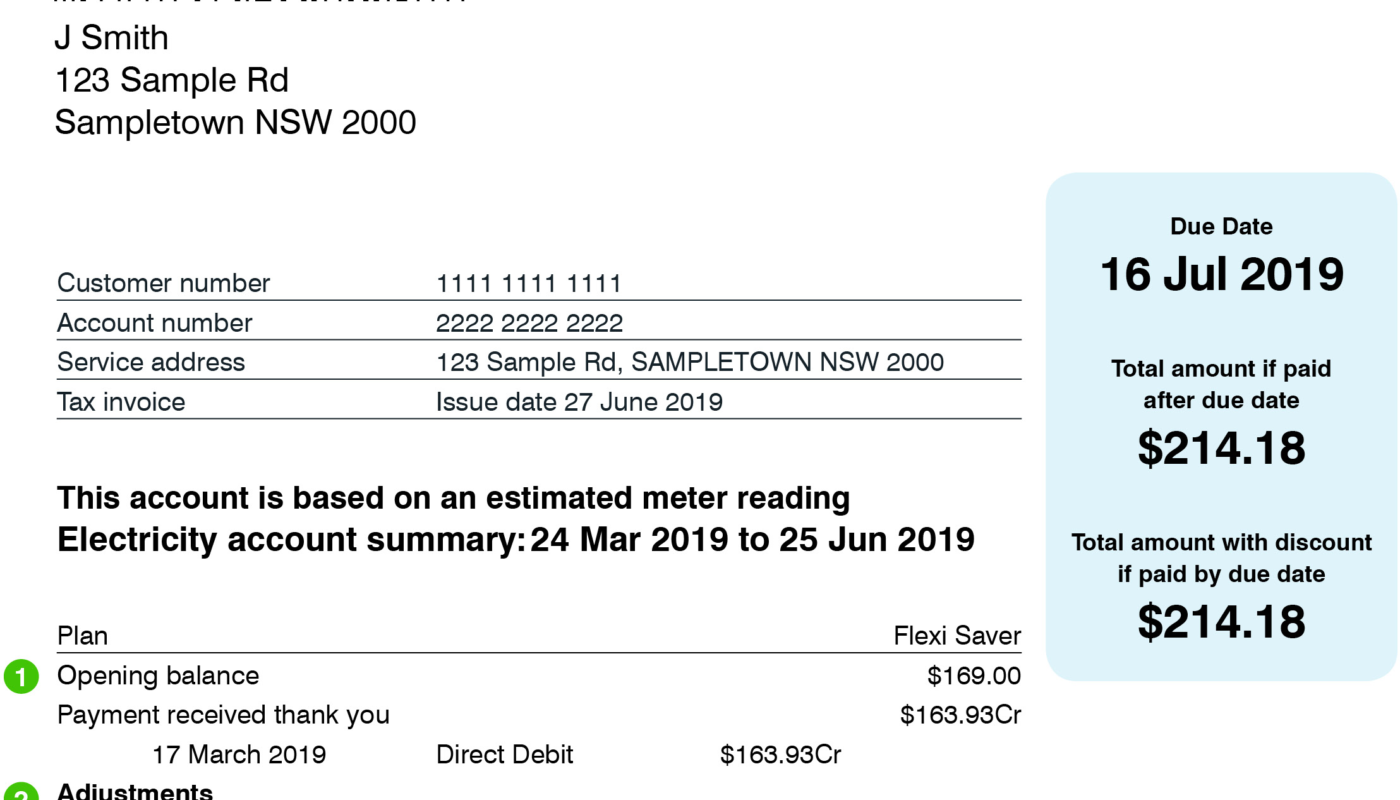
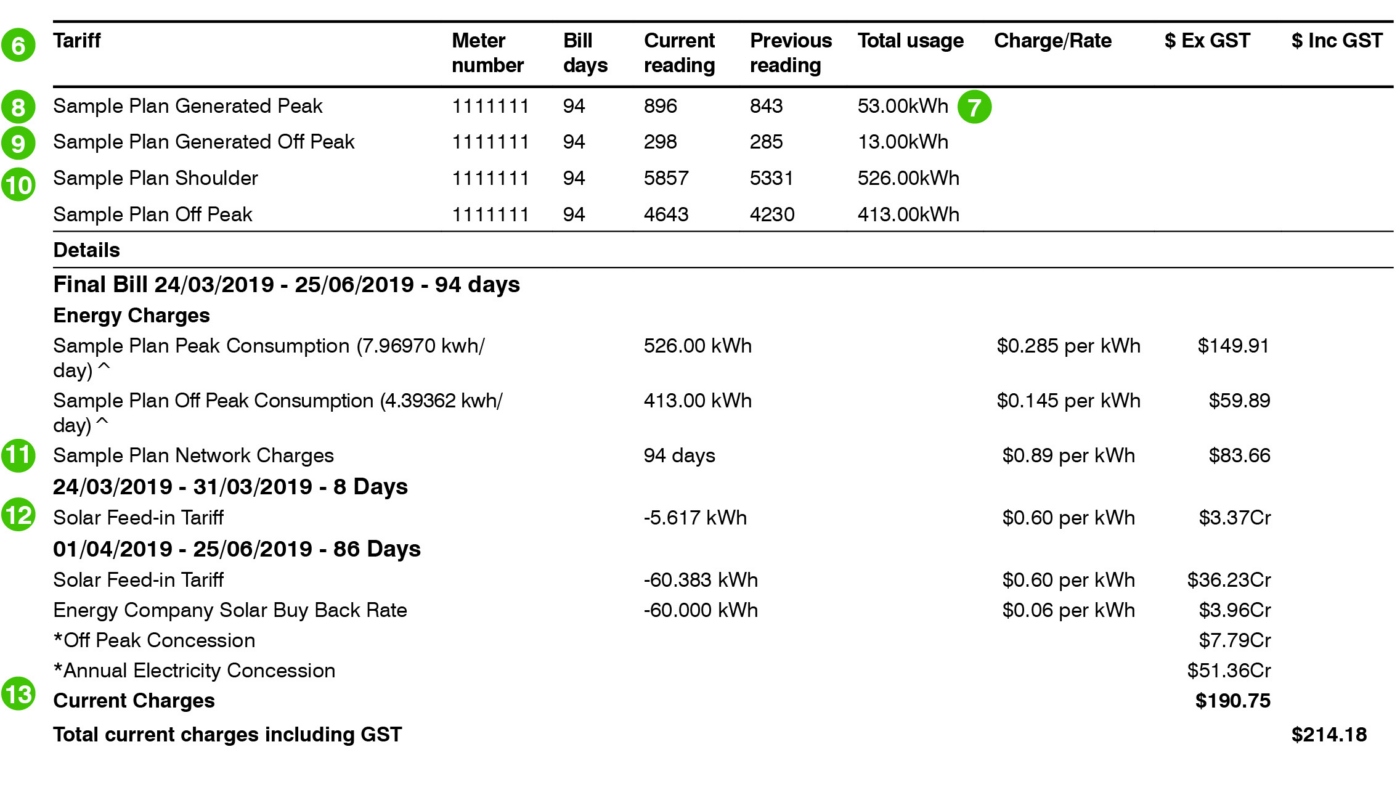
- Utility bills
- Landlord information if you rent
Do not send sensitive documents to a contact you found through an unverified social media post. Confirm the provider through the official state or DOE pathway.
Step 3: Expect a Waitlist in Some Areas
Weatherization programs have limited funding, staff and contractor capacity. An eligible household can still wait for service.
DOE guidance notes that approved households may be placed on a waitlist and that priority rules can affect timing.
While waiting
- Keep contact information current.
- Respond to document requests quickly.
- Save new utility bills.
- Report major health or safety changes.
- Avoid paying someone who promises to move you to the front of the list.
Step 4: The Home Usually Receives an Energy Assessment
Weatherization work should be based on the home’s actual needs. A local provider may schedule a trained energy auditor to inspect the property and run tests.
The assessment can look at
- Air leakage
- Insulation levels
- Heating and cooling equipment
- Ducts
- Ventilation
- Moisture
- Combustion safety
- Other health and safety concerns
This is one reason the program does not simply hand every household the same list of upgrades.
Step 5: The Program Prioritizes Cost-Effective Measures
A weatherization agency usually chooses improvements based on program standards and an energy analysis. The work may not match a homeowner’s wish list.
For example
You may want replacement windows because they look old, but the audit may show that attic air leakage, missing insulation and duct problems offer a better energy benefit for the available funding.
That is not a failure of the program. Weatherization aims to reduce energy waste and improve safety, not to provide general remodeling.
Weatherization Is Not a Free Home-Renovation Program
It is important to set realistic expectations.
Weatherization usually does not mean
- A full kitchen remodel
- Cosmetic painting
- Luxury window upgrades
- New flooring because the old flooring is unattractive
- General landscaping
- Every repair the home needs
Some health and safety repairs may be necessary to complete energy work, but program rules control what is eligible.
Start With a Home Energy Audit Even If You Do Not Use WAP
If you are paying for upgrades yourself, diagnosis still matters. Our home energy audit guide explains how to review utility bills, comfort problems, attic insulation, ducts and major air leaks before spending.
A homeowner who knows the main problem is less likely to spend thousands on a low-impact project.
Low-Cost DIY Weatherization: Start With Doors
Exterior doors are easy places to find visible air leakage.
Check
- Weatherstripping around the frame
- The door sweep at the bottom
- Light visible around the closed door
- Loose hinges or latches
- Failed caulk around the exterior frame
Replacing worn weatherstripping or a damaged sweep can be a low-cost task for many households.
Seal Stationary Cracks Around Windows Before Replacing Windows
Drafts can come from the gap between the window frame and surrounding materials rather than through the glass itself.
Possible low-cost steps
- Replace worn weatherstripping on moving parts.
- Caulk appropriate stationary exterior gaps.
- Repair locks that prevent a sash from closing tightly.
- Use removable seasonal sealing products where suitable.
Do not seal designed drainage paths or moving components that need clearance.
Attic Air Sealing Can Be High Impact but Requires Care
Warm air can escape through openings around wiring, plumbing, attic hatches and other penetrations. Sealing these areas can reduce uncontrolled airflow.
But attics contain hazards
- Exposed electrical wiring
- Hot flues
- Recessed lights with clearance requirements
- Weak ceiling surfaces
- Fiberglass or other insulation
- Possible asbestos-containing material in older homes
- Heat stress
If you cannot identify safe sealing methods and required clearances, hire a qualified professional.
Do Not Seal Combustion or Ventilation Openings
This is one of the most important weatherization safety rules.
A gap may look like wasted energy but actually serve a safety function. Fuel-burning furnaces, water heaters, fireplaces and other equipment need proper combustion air and venting. Bathrooms, kitchens and whole-house systems may also rely on intentional ventilation.
Stop and get professional help if
- You smell gas.
- A carbon monoxide alarm activates.
- A furnace or water heater has venting damage.
- You see soot or unusual combustion staining.
- You are unsure whether an opening is intentional.
Use Caulk and Foam for the Right Size Gap
Different sealing materials serve different jobs.
Caulk
Often works for narrow stationary cracks around trim and building joints where the product is rated for the material and location.
Expanding foam
Can fill larger openings, but some products expand aggressively and can damage frames or create a mess. Use low-expansion products where required and follow manufacturer instructions.
Weatherstripping
Works on moving joints such as doors and operable windows.
Do not use one product for every opening.
Insulation Should Follow Air-Sealing Logic
Insulation slows heat transfer. It does not automatically stop air moving through holes.
In many attics and building assemblies, air sealing should be addressed before adding more insulation. Otherwise, air can continue moving through gaps beneath the new insulation.
Check insulation condition
- Is it evenly distributed?
- Is it wet?
- Is it compressed?
- Are large areas missing?
- Does the attic hatch have insulation?
Wet insulation can indicate a roof, plumbing or moisture problem that should be fixed first.
Seal Ducts With Proper Materials
Duct leakage can send heated or cooled air into attics, crawl spaces or garages.
For accessible metal ducts
Approved mastic or rated foil tape is often used at joints. Ordinary cloth “duct tape” is not a durable HVAC duct-sealing material.
Do not crush flexible ducts or block airflow. If ducts are damaged, inaccessible or contaminated, use an HVAC professional.
Do Not Forget the Attic Hatch
The attic hatch is a common weak point because it may have little insulation and no gasket.
A simple improvement can include
- Weatherstripping around the hatch where appropriate
- Insulating the hatch panel
- Making sure it closes securely
Maintain safe clearances from heat-producing equipment and follow local code.
Use Thermostat Changes as a No-Cost Weatherization Partner
Weatherization reduces the energy needed to keep the home comfortable. Thermostat management reduces the demand you place on the system.
Practical habits
- Avoid extreme temperature changes that make the system work unnecessarily hard.
- Use scheduled setbacks when they fit your equipment and household.
- Do not heat or cool empty rooms more than necessary where safe zoning is available.
- Replace HVAC filters on the recommended schedule.
The best setting depends on comfort, health, humidity and the type of heating system.
Coordinate Weatherization With HVAC Replacement
If your furnace, boiler, heat pump or air conditioner is near replacement, improve the building envelope first when practical.
A tighter, better-insulated home may need less heating and cooling capacity. That can influence equipment sizing.
Our heat pump vs furnace guide explains how weatherization, climate, ductwork and electrical capacity affect equipment choice.
Look for Utility and Local Programs Too
WAP is not the only source of energy help. Utilities, states, cities and nonprofit agencies may offer audits, rebates, appliance programs, insulation support or bill assistance.
Verify each program
- Who funds it?
- Who qualifies?
- Is an approved contractor required?
- Must work be pre-approved?
- Does the program pay the contractor or reimburse you?
- Is there a deadline?
Do not start expensive work because a contractor says “you’ll get the rebate later” without confirming current official rules.
Real-World Example: High Heating Bill in a Rental
Angela rents an older duplex. Her winter gas bills are high, and one bedroom is always cold. She cannot authorize attic insulation or major duct work herself.
She contacts the local weatherization provider through the state program. The provider explains renter eligibility and landlord-consent requirements. While the application is reviewed, Angela replaces removable door weatherstripping allowed by her lease, uses the thermostat more consistently and reports a damaged exterior door seal to the landlord.
Later, the approved weatherization process identifies air-leak and insulation work that requires owner permission. Angela avoids paying for permanent improvements to someone else’s property and uses the program designed for that situation.
Build a DIY Weatherization Budget
| Task | DIY? | Material Cost | Safety Risk | Priority |
|---|---|---|---|---|
| Door weatherstripping | Often | Low | ||
| Window caulk | Often | Low | ||
| Attic air sealing | Maybe | Medium/High | ||
| Duct repair | Maybe | Medium | ||
| Combustion venting | No for most people | High | ||
| Electrical repair | No for most people | High |
A low-cost project is not a good DIY project if the safety risk is high.
Common Weatherization Mistakes
- Assuming WAP is a general remodeling grant.
- Paying an unofficial person to “guarantee” approval.
- Starting work before checking program rules.
- Renters making permanent changes without landlord permission.
- Replacing windows before diagnosing larger leaks.
- Adding insulation over unresolved moisture problems.
- Sealing combustion or ventilation openings.
- Using ordinary duct tape for permanent duct sealing.
- Ignoring electrical and attic hazards.
- Counting on a rebate before verifying eligibility.
Frequently Asked Questions
Is the Weatherization Assistance Program only for homeowners?
No. Eligible renters can also apply, although landlord permission may be needed before permanent work is completed.
Does weatherization replace all my windows?
Not automatically. The program focuses on measures supported by the energy assessment and program rules.
Can I do weatherization myself?
Simple tasks such as certain weatherstripping and caulking may be suitable for DIY work. Combustion, electrical, complex attic, major insulation and HVAC work often require trained professionals.
Does sealing every gap save energy?
No. Some openings are required for ventilation, drainage or combustion safety. Seal only gaps you understand and use appropriate materials.
What should I do first if my energy bill is high?
Review your utility usage, identify comfort problems and perform or schedule a home energy assessment before spending on major upgrades.
Conclusion: Fix Energy Waste in the Right Order
Weatherization works best when it is based on diagnosis, not guesswork. If your household may qualify for assistance, start with the official DOE pathway and your state or local provider. Prepare income and household documents, expect local eligibility rules and understand that waitlists can occur.
If you are doing basic work yourself, start with low-risk items such as worn door weatherstripping and appropriate stationary cracks. Do not seal combustion, ventilation or electrical areas you do not understand.
The goal is not to make a home airtight at any cost. It is to reduce unnecessary energy loss while keeping the building safe, dry, comfortable and affordable to operate.