
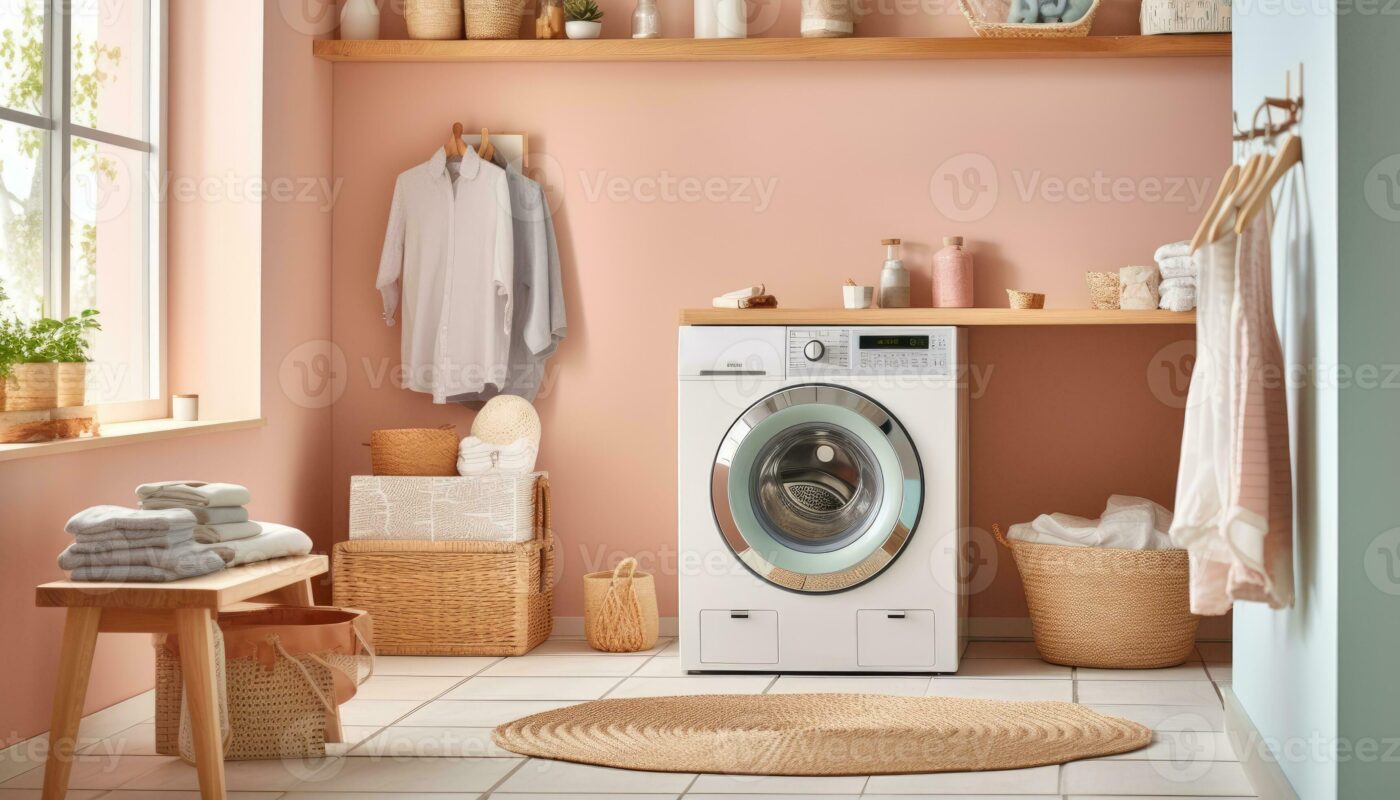
Laundry becomes exhausting when the system is built around too many clothes, too many special-care rules, overflowing hampers, half-finished loads, and a closet that has no room for clean items. A simpler laundry routine does not require expensive machines, matching baskets, or a perfect schedule. It starts by reducing decisions and creating a repeatable flow from hamper to closet.
This guide explains how to build a simple laundry routine that can save time, reduce unnecessary water and energy use, protect clothing, and keep your wardrobe easier to manage. The goal is not to wash less when clothes are genuinely dirty. It is to avoid inefficient habits such as tiny loads, forgotten wet laundry, unnecessary rewashing, and owning more clothing than your storage and routine can reasonably handle.
If your closet itself is overcrowded, use our capsule wardrobe guide alongside this routine.
Why Laundry Feels More Complicated Than It Needs to Be
Most laundry stress comes from a few predictable problems:
- Dirty clothes are stored in several places.
- Loads are started without enough time to finish them.
- Clean clothes remain in baskets for days.
- Too many garments require special handling.
- The closet is so full that putting clothes away is difficult.
- Small loads are run because essentials are always running out.
A better system reduces the number of handoffs and decisions.
Step 1: Choose One Main Laundry Collection Point
Give dirty clothing a clear destination. In a larger household, you may need one hamper per bedroom plus a shared bathroom hamper, but avoid creating random piles on chairs, floors, and bathroom corners.
If sorting before washing helps your household, use two or three simple categories rather than five or six complicated bins.
Practical categories might be
- Everyday washable clothing
- Towels and bedding
- Delicates or special-care items
Always follow garment care labels where special washing is required.
Step 2: Set a Trigger Instead of a Perfect Laundry Day
A rigid “laundry every Tuesday” plan may fail when work, school, or family schedules change. A trigger can be easier.
Examples:
- Wash when the everyday hamper is about three-quarters full.
- Wash towels when only one clean set remains.
- Wash bedding on a recurring weekend schedule.
The goal is to run reasonably full loads without waiting until your household has no clean essentials.
Step 3: Avoid Overloading and Underloading
Very small loads can waste energy and water relative to the amount of clothing washed. Overloaded machines may clean poorly and can stress the appliance.
The U.S. Department of Energy recommends washing full loads and using cold water when appropriate to reduce energy use. Its Energy Saver laundry guidance also notes that clothes dryers can be significant household energy users.
Follow your washer manufacturer’s guidance for capacity rather than packing the drum tightly.
Step 4: Use Cold Water When Appropriate
Heating water can account for a large share of the energy used in a wash cycle. Many everyday clothes can be washed effectively in cold water with a suitable detergent, but some sanitation or fabric-care situations may require a different temperature.
Check garment labels and product instructions. Do not lower wash temperatures in a way that conflicts with a medical, hygiene, or manufacturer requirement.
Step 5: Reduce “Special-Care” Purchases
A minimalist laundry routine becomes easier when most everyday clothing can be washed together.
Before buying new clothes, consider:
- Can it be machine washed?
- Does it require dry cleaning?
- Will it bleed color?
- Does it need hand washing?
- Is the fabric durable enough for your normal routine?
This does not mean never owning special items. It means understanding the maintenance cost before buying.
Step 6: Treat Stains Early
A stain that sits for a week may be harder to remove and can lead to repeated washing. Keep one simple stain-treatment product or method that is suitable for your household and fabrics.
Follow product safety instructions and test treatments when necessary. Avoid mixing household chemicals unless the label explicitly says it is safe.
Step 7: Finish the Load the Same Day
A simple rule can prevent the most frustrating laundry cycle: do not start a load unless you have enough time to move it, dry it, and put it away that day.
Use a timer when the washer starts. Wet clothing forgotten for too long may develop odors and need rewashing, wasting time and resources.
Step 8: Dry Efficiently
The Department of Energy recommends cleaning the lint filter after every dryer load and using lower heat or moisture-sensor settings where appropriate. It also notes that drying similar fabrics together can improve efficiency.
Simple drying habits
- Clean the lint filter.
- Do not overload the dryer.
- Use moisture-sensor settings if your machine has them.
- Air-dry items when practical and suitable.
- Dry similar-weight fabrics together.
Always follow dryer safety guidance and never block vents.
Step 9: Make Putting Away Easier Than Leaving Clothes in a Basket
If clean laundry sits unfolded for days, the storage system may be too complicated.
Simplify:
- Fold only items that benefit from folding.
- Hang clothing that is easier to hang.
- Use one drawer per broad category rather than tiny subcategories.
- Keep frequently worn clothes easiest to reach.
- Do not overfill drawers.
If the clean load has nowhere to go, the closet probably needs editing rather than another laundry basket.
Step 10: Reduce the Clothing Bottleneck
Owning more clothing does not always reduce laundry frequency. It can create larger piles and more time spent sorting, folding, and storing.
Use our one-in-one-out rule for clothing categories that repeatedly overflow.
A Simple Weekly Laundry Rhythm
| Day or trigger | Load | Goal |
|---|---|---|
| When everyday hamper is 75% full | Everyday clothes | Wash, dry, put away same day |
| Midweek or as needed | Towels | Keep enough clean sets without overstocking |
| Weekend | Bedding | Use a consistent reset point |
| As needed | Delicates | Combine appropriate items into one careful load |
How to Set a Reasonable Clothing Quantity
You do not need a universal “33 items” or “10 shirts” rule. Clothing needs depend on work, climate, laundry access, culture, exercise, health, and family responsibilities.
A practical test is whether:
- Clothes fit in the available storage.
- You can complete laundry before essentials run out.
- You regularly wear most items.
- You are not storing large quantities of duplicates that never get used.
Save Closet Space by Folding for Visibility
Use the method that lets you see items without disturbing the entire drawer. Vertical folding can work for some clothing, while stacks may be better for shelves.
The method matters less than visibility and easy return.
Use a Small “Repair Before Washing Again” Basket
Clothes with loose buttons, small tears, or broken hems often get washed repeatedly and returned to the closet without being worn.
Keep a small repair area and schedule one short repair session monthly. If you cannot or will not repair an item, decide whether professional repair, donation, textile recycling, or responsible disposal is appropriate.
How Laundry Simplicity Can Save Money
A simpler system may reduce:
- Extra wash cycles caused by forgotten loads
- Dry-cleaning purchases
- Impulse clothing replacement
- Energy from inefficient drying
- Detergent overuse
- Closet-organizer purchases
Do not expect dramatic savings from one habit. The benefit comes from many small efficiencies repeated over time.
Use the Correct Amount of Detergent
More detergent does not always mean cleaner clothes. Excess detergent can leave residue and may require extra rinsing. Follow the detergent label and machine instructions, especially for high-efficiency washers.
Do Not Wash Items More Often Than Necessary
Some garments need washing after each use, while others can be worn again if they are clean, dry, and odor-free. Hygiene needs vary by item, activity, health, and climate.
Use common sense and garment-care guidance rather than a rigid minimalist rule.
Laundry in a Small Apartment
If you use shared laundry or a laundromat, the routine may need more planning.
Helpful habits
- Keep quarters or the payment app funded.
- Bring detergent in a small reusable container.
- Choose a lower-traffic time when possible.
- Stay with belongings where appropriate.
- Fold before returning home if that prevents basket clutter.
Common Laundry Routine Mistakes
- Starting a load without time to finish it.
- Owning so many clothes that putting them away is difficult.
- Running tiny loads unnecessarily.
- Overloading machines.
- Ignoring care labels.
- Using too much detergent.
- Leaving the dryer lint filter clogged.
- Buying special-care clothing without considering maintenance.
Simple Laundry Checklist
- Use one clear dirty-clothes system.
- Wash reasonably full loads.
- Use cold water when appropriate.
- Set a timer.
- Finish the load the same day.
- Clean the lint filter.
- Put clothes away immediately.
- Repair before replacing.
- Keep closet storage within capacity.
- Review clothing quantity seasonally.
Frequently Asked Questions
How often should I do laundry?
There is no universal schedule. Use household size, clothing quantity, hygiene needs, and machine capacity to choose a rhythm that avoids both tiny loads and overflowing hampers.
Is cold water always best?
Cold water can reduce energy use and works for many everyday loads, but follow garment labels and sanitation needs.
Does a capsule wardrobe mean more laundry?
It can if the wardrobe is too small for your routine. A useful capsule should include enough clothing to support your realistic laundry access.
Should I buy more hampers to sort everything?
Only if sorting solves a specific problem. Start with the containers you already have.
How can I stop clean laundry from piling up?
Simplify storage and finish the full wash-dry-put-away cycle on the same day whenever possible.
Conclusion: Make Laundry a Flow, Not a Storage System
A simpler laundry routine reduces decisions from the moment clothes enter the hamper until they return to the closet. Use clear categories, reasonably full loads, efficient wash and dry settings, and storage that makes putting clothes away easy.
The best routine is not the one with the fewest clothes or the strictest schedule. It is the one your household can repeat without overflowing hampers, forgotten wet loads, or a closet that requires another organization project every week.