Annual bills are easy to underestimate because they do not appear every month. Vehicle registration, insurance premiums, school costs, professional fees, holiday spending, memberships, taxes, and home maintenance can each arrive only once or twice a year. When the budget ignores them, a predictable expense can turn into new credit-card debt.
This guide explains how to plan for annual expenses without using a credit card. You will build a yearly expense list, convert each cost into a monthly savings target, use sinking funds, add renewal dates to a bill calendar, and decide what to do when an annual cost is too large for the time remaining.
Why Annual Expenses Cause Budget Problems
A monthly budget can appear balanced because it shows rent, groceries, utilities, and minimum debt payments. But if $3,600 of predictable annual costs are missing, the budget is effectively understating expenses by $300 per month.
The solution is not to guess perfectly. It is to make irregular costs visible.
Step 1: Review the Last 12 Months
Look through bank and credit-card statements and list costs that occurred less frequently than monthly.
Common annual or irregular expenses
- Auto insurance
- Vehicle registration
- Property tax if not escrowed
- Home maintenance
- School expenses
- Professional licenses
- Membership renewals
- Tax preparation
- Holiday spending
- Travel
- Medical deductibles
- Pet care
Step 2: Separate Essential and Optional Costs
Essential annual bills should be funded before optional goals.
Higher priority
- Insurance
- Registration
- Required professional fees
- Essential repairs
- Taxes
More flexible
- Vacations
- Large gift budgets
- Optional memberships
- Technology upgrades
Step 3: Add the Due Date
Knowing the amount is not enough. Add the expected month and date.
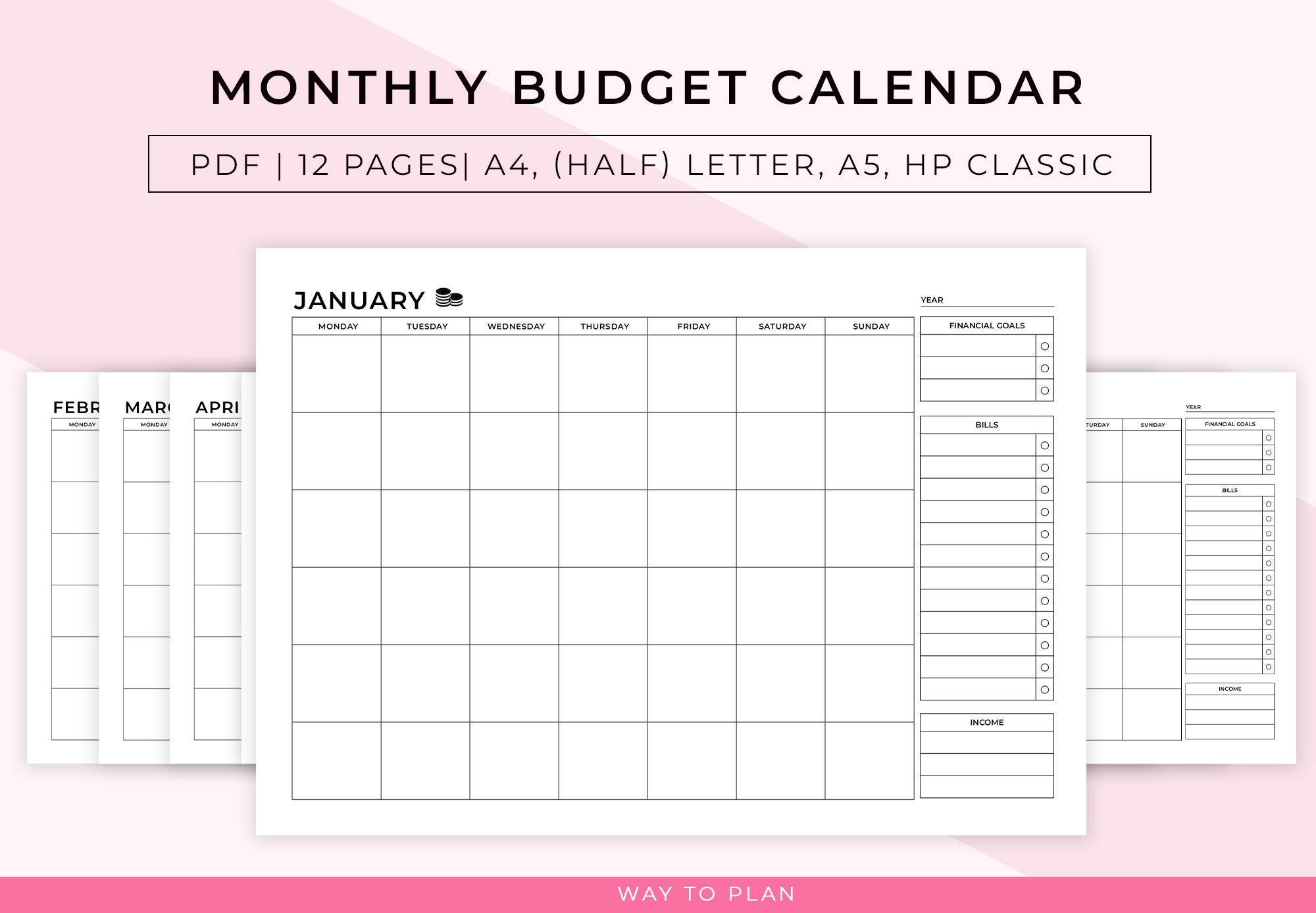
Use our bill calendar guide to keep annual renewals beside monthly bills.
Step 4: Convert Each Cost Into a Monthly Target
Formula:
Expected cost ÷ months until due = monthly savings target.
Example: $900 insurance premium due in nine months requires $100 per month.
If the bill repeats annually and you are starting immediately after paying it, divide by 12.
Step 5: Use Sinking Funds
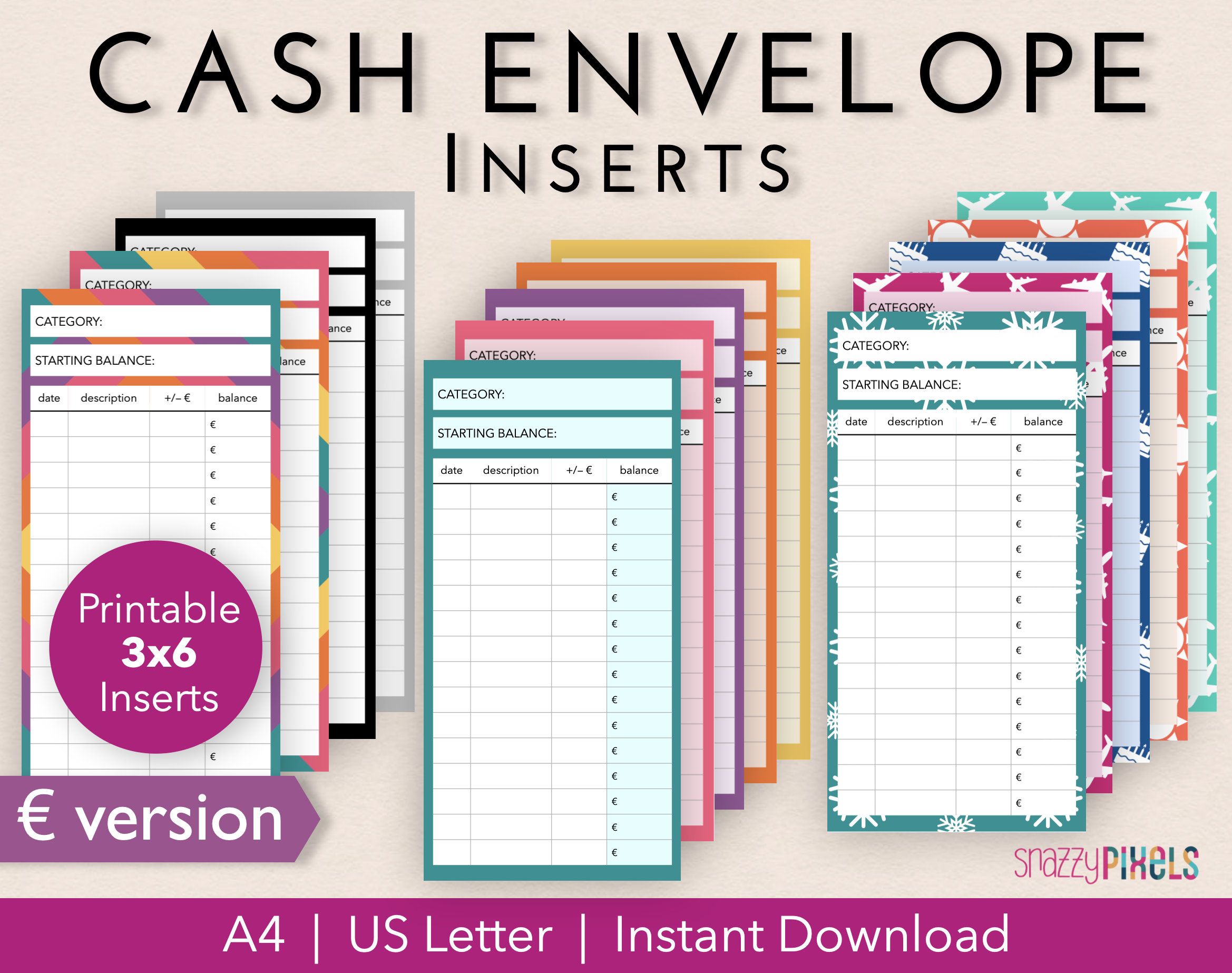
A sinking fund is money reserved for a known future expense. Our sinking funds guide explains how to organize multiple targets without making your budget complicated.
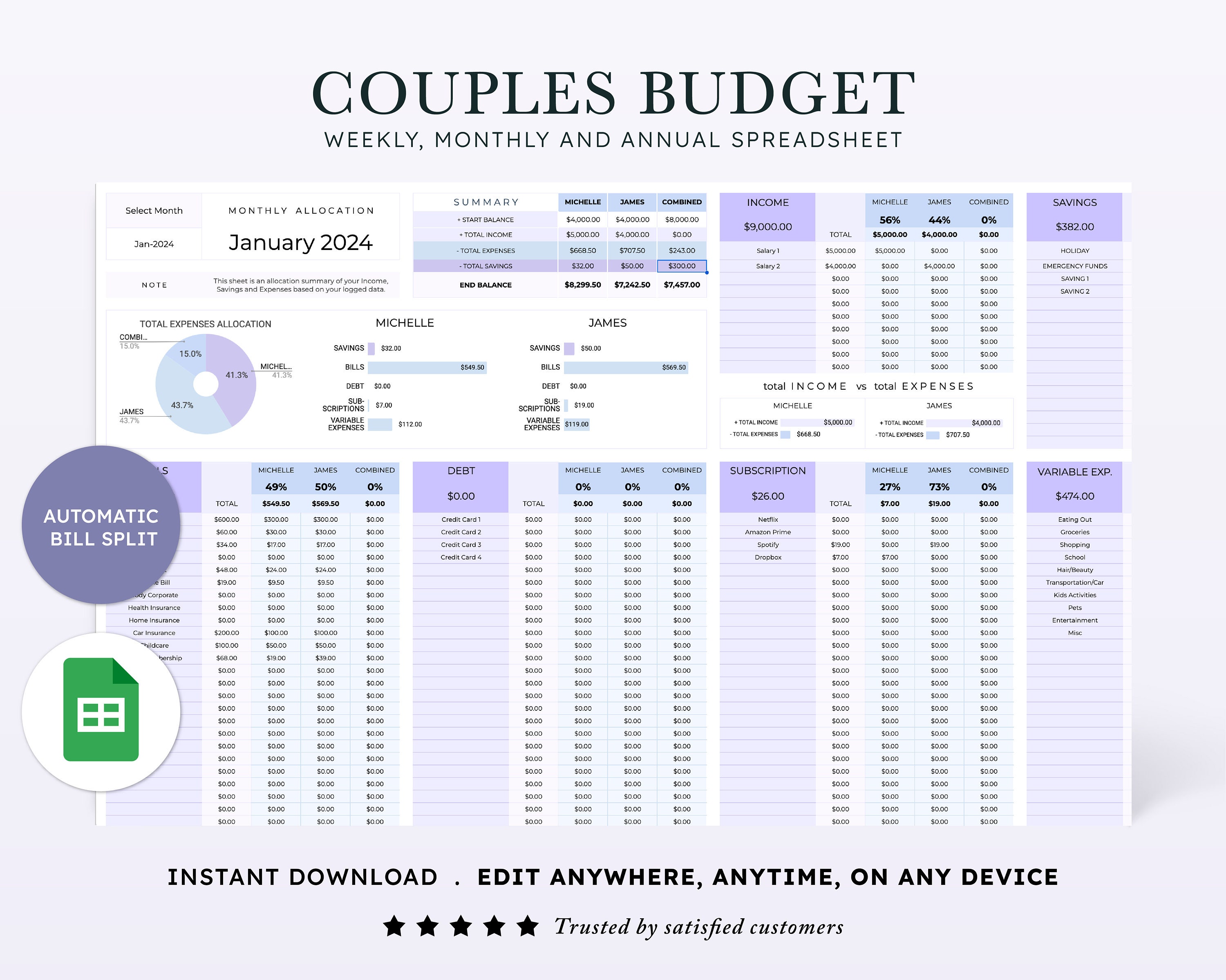
You can keep all annual-expense savings in one account and track categories on a spreadsheet, or use bank savings buckets if available.
Step 6: Automate the Savings
Schedule a transfer after each payday. Treat the transfer like a bill rather than leftover savings.
If income is irregular, use a minimum contribution plus extra deposits in stronger months.

Step 7: Create a Renewal Review Before You Save
Not every annual expense should automatically continue. Before building a fund for a subscription or membership, ask whether you still use it.
The Federal Trade Commission advises consumers to review automatic renewal terms and unexpected charges. Its auto-renewal guidance is useful for annual subscriptions.
Step 8: Build a Small Cost-Increase Margin
If an expense is likely to rise, save slightly above last year’s amount.
Example: if registration and related fees were $280, you might target $300 rather than assuming the exact amount will repeat.
Do not inflate every estimate dramatically; use a reasonable cushion.
Step 9: Prioritize When the Total Is Too High
If annual targets add up to more than you can save, reduce optional goals before abandoning essential ones.
Possible changes:
- Lower holiday budget.
- Pause travel.
- Cancel unused memberships.
- Shop insurance before renewal.
- Delay nonessential upgrades.
Step 10: Compare Annual vs. Monthly Payment Options
Some bills offer monthly installments instead of one annual premium. Compare the total price.
Monthly payment may improve cash flow but sometimes includes installment fees. Annual payment may be cheaper but requires stronger savings discipline.
Choose based on the total cost and your ability to prepare.
Step 11: Do Not Invest Near-Term Bill Money Aggressively
Money needed for a bill in six or twelve months should generally be kept somewhere stable and accessible. A market decline at the wrong time can turn a planned bill into a cash shortage.
Step 12: Keep Emergency Savings Separate
Annual expenses are predictable. Emergency savings are for unexpected financial shocks.
The CFPB’s emergency fund guidance explains the purpose of a dedicated reserve.
If you use emergency money every year for insurance or registration, those costs belong in the regular plan.
Build a 12-Month Annual Expense Map
Once you have the master list, place every expense into a January-to-December map. For each item, record the expected due date, last known amount, current target, monthly or per-paycheck contribution, renewal decision date, and the account where the money is stored. This turns a loose list into a schedule that shows which months are heavy and which months offer room to catch up.
A simple map might show auto registration in February, an insurance renewal in April, school expenses in August, professional dues in October, and holiday spending in November and December. If several large costs land close together, you can start those funds earlier instead of trying to save the same amount for every category each month.
Use a catch-up formula when starting late
If you discover a $720 bill with only four paychecks left before it is due and you have saved $120, subtract the amount already saved first. The remaining $600 divided by four paychecks means a $150 contribution from each remaining check. If that amount is unrealistic, you have useful information early enough to reduce optional spending, ask about installment options, compare providers, or lower a flexible annual goal.
Do not hide an impossible target by continuing to save too little. A realistic catch-up plan should show both the required contribution and the trade-offs needed to reach it.
Add a renewal or cancellation decision date
For subscriptions, memberships, insurance policies and service contracts, add a review date 30 to 60 days before renewal. Use that date to compare prices, check actual usage, review coverage, and cancel or switch if appropriate. Saving for an annual bill does not mean you have decided to keep the same service forever.
At the end of each month, compare the target balance with the actual balance for every category due in the next 90 days. Move extra savings toward any category that is falling behind before contributing more to distant optional goals.
Annual Expense Planning Example
| Expense | Annual cost | Monthly target |
|---|---|---|
| Auto insurance | $900 | $75 |
| Registration | $240 | $20 |
| Medical | $600 | $50 |
| Holiday gifts | $480 | $40 |
| Home/car maintenance | $1,200 | $100 |
| Total | $3,420 | $285 |
If your existing monthly budget did not include that $285, it was incomplete.
What If an Annual Bill Is Due in Three Months and You Have Saved Nothing?
Divide the bill by the months remaining and see whether the target is realistic.
If it is not:
- Reduce optional spending temporarily.
- Pause lower-priority sinking funds.
- Ask whether the provider offers a lower-cost option or installment plan.
- Shop comparable services where appropriate.
- Use emergency savings only if the bill truly qualifies and no better option exists.
Use Extra Paychecks and Windfalls Intentionally
Tax refunds, bonuses, gifts, or three-paycheck months can accelerate annual-expense funds.
Decide the allocation before the money arrives.
How to Include Annual Costs in a Zero-Based Budget
In zero-based budgeting, sinking-fund contributions get their own line like any other category. Our zero-based budgeting guide explains the method.
If you save $75 for insurance, that money has a job even though the bill is months away.
How to Plan for Costs With Unknown Amounts
Use history and a reasonable range.
For car maintenance, you may not know which repair will happen. Set an annual allowance based on vehicle age, mileage, past repairs, and manufacturer maintenance schedules.
Review the target once a year.
Common Annual Expense Planning Mistakes
- Remembering only the biggest bill.
- Saving after the bill arrives.
- Mixing sinking funds with emergency savings.
- Renewing unused services automatically.
- Ignoring installment fees.
- Keeping near-term money in volatile investments.
- Setting targets once and never updating them.
Annual Expense Checklist
- Review 12 months of statements.
- List every irregular cost.
- Mark due dates.
- Rank essential vs. optional.
- Calculate monthly targets.
- Set up sinking funds.
- Automate transfers.
- Add a small cost cushion.
- Review renewals before paying.
- Update targets annually.
Frequently Asked Questions
Should I put annual bills on a credit card for rewards?
Only if the money is already saved and you can pay the statement in full according to your plan. Rewards do not make interest-bearing debt worthwhile.
How many annual expenses should I track?
Track the ones large enough to affect your monthly budget. You do not need a separate category for every tiny purchase.
Can I keep all sinking funds in one savings account?
Yes, if you track each category balance separately and do not accidentally spend money reserved for another bill.
What if the price changes?
Update the target after renewal and use a small buffer for likely increases.
Should emergency savings cover annual bills?
Predictable annual bills should normally be planned in the budget. Emergency savings is better reserved for unexpected events.
Conclusion: Turn Yearly Bills Into Monthly Decisions
Annual expenses stop being financial surprises when you convert them into monthly targets. Review your past year, list due dates, create sinking funds, automate contributions, and reconsider optional renewals before paying them again.
You may not eliminate every difficult month, but planning ahead can dramatically reduce the need to put predictable costs on a credit card. The goal is simple: when the annual bill arrives, the money should already have been waiting for it.