
Choosing between renting and buying in 2026 is not a contest with one universal winner. The more affordable option depends on your cash reserves, monthly budget, expected time in the home, local prices, mortgage terms, maintenance risk, and how much flexibility you need. A home can build long-term equity, but ownership also brings costs that do not appear in the listing price. Renting can cost less upfront and make moving easier, but rent can rise over time and you do not build ownership in the property.

This guide gives you a practical way to compare both choices without assuming that buying is always better or that renting is automatically “throwing money away.” If you are planning around a tight or moderate income, the safest decision is usually the one that leaves enough room for emergencies, everyday expenses, and future goals after housing costs are paid.
Renting vs. Buying: The Cost Categories That Matter
The monthly rent or mortgage payment is only one part of the comparison. A realistic affordability check should include the full cost of getting into the home, keeping it, and eventually leaving it.
Typical costs when you rent
- Application or screening fees where permitted by law
- Security deposit and first month’s rent
- Monthly rent
- Utilities not included in rent
- Renters insurance if required or desired
- Parking, pet, amenity, or other disclosed fees
- Moving costs and possible lease-break costs
Renting often requires less cash at the beginning. That can matter if paying a large down payment would wipe out your emergency savings. Before sending money for a rental, verify the listing and the person collecting payment. The Federal Trade Commission’s rental-scam guidance explains common warning signs such as fake listings, pressure to pay before seeing a property, and requests for hard-to-recover payment methods.
Typical costs when you buy
- Down payment
- Closing costs and prepaid expenses
- Mortgage principal and interest
- Property taxes
- Homeowners insurance
- Mortgage insurance when applicable
- Homeowners association dues where applicable
- Routine maintenance and unexpected repairs
- Utilities and services
- Transaction costs when you later sell
The Consumer Financial Protection Bureau recommends looking beyond the price of the home and building a complete monthly budget. That is especially important for first-time buyers who may not yet have experienced irregular costs such as appliance replacement, roof work, plumbing problems, or property-tax changes.
Upfront Affordability: How Much Cash Will You Need?
For many households, the first decision point is not “Which option creates more wealth?” but “Which option can I enter without becoming financially fragile?”
A renter may need a deposit, first month’s rent, moving expenses, and setup costs. A buyer usually needs substantially more cash because the transaction can include a down payment, lender costs, title-related charges, inspections, prepaid taxes or insurance, and moving expenses. Some buyers qualify for low-down-payment mortgages or assistance programs, but those programs have their own eligibility rules and do not eliminate every cost.
If you are preparing for ownership, our first-time home buyer guide on a budget explains how to organize savings, documentation, and the purchase process. You can also review our guide on saving money for a house.
Monthly Cost: Compare the Same Things on Both Sides
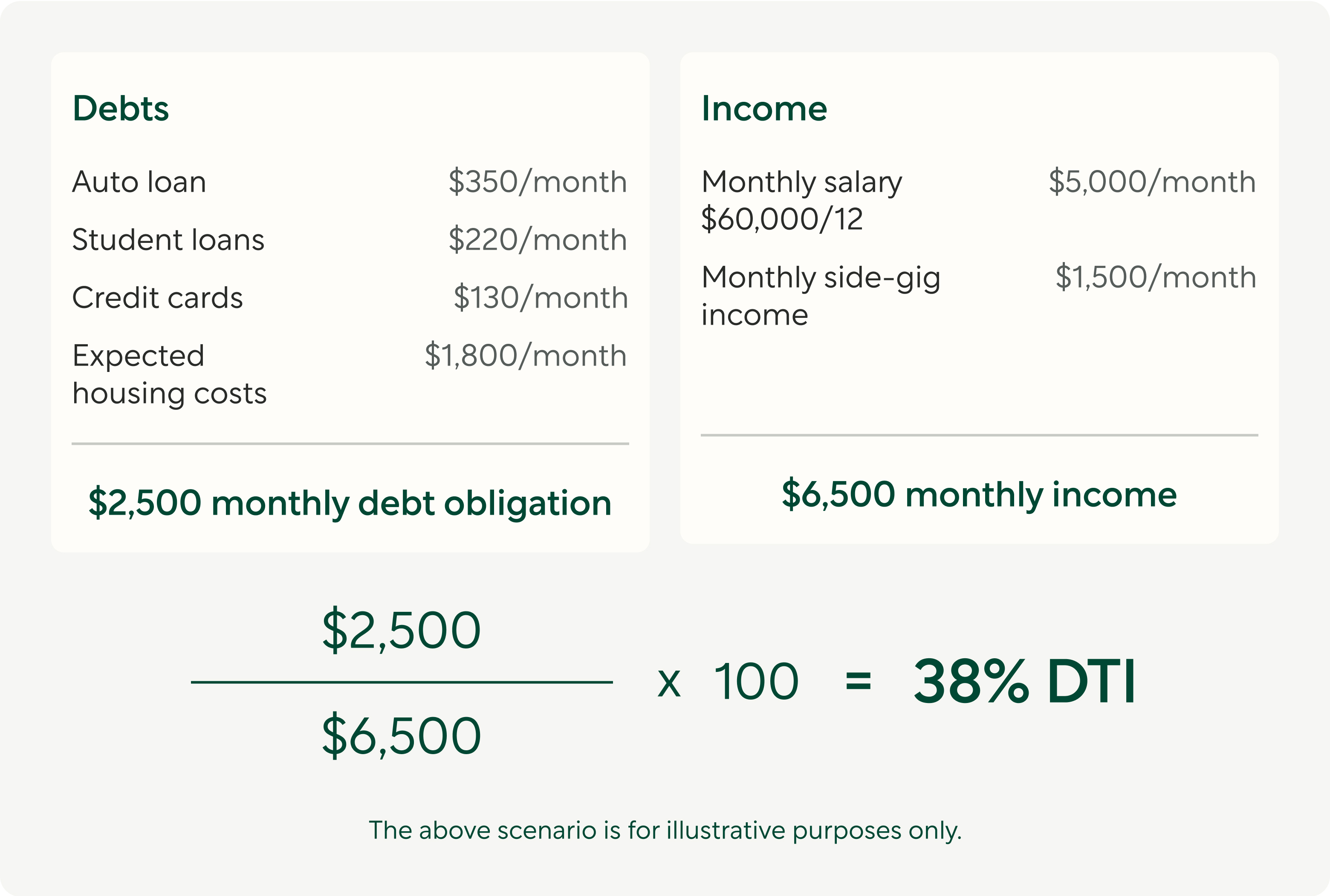
A common mistake is comparing rent only with mortgage principal and interest. That understates the cost of ownership. A fair comparison adds taxes, insurance, mortgage insurance if applicable, HOA dues, and a realistic allowance for maintenance.
For example, suppose a rental costs $1,600 per month plus utilities. A nearby home might appear attractive with a $1,550 principal-and-interest payment, but if taxes, insurance, HOA dues, and maintenance add several hundred dollars, the owner’s true monthly housing cost may be higher. The reverse can also happen in markets where rents are high and a well-qualified buyer can purchase at a sustainable all-in cost.
Do not rely on a single online calculator. Use it as a starting point, then confirm loan terms, taxes, insurance, and recurring fees with actual quotes. The CFPB’s homebuying preparation resources are useful for building a realistic budget before shopping.
A Practical Rent-or-Buy Decision Framework
Instead of asking which option is “cheaper” in general, score your situation across the factors below.
| Question | Renting may fit better when… | Buying may fit better when… |
|---|---|---|
| How long will you stay? | You may move within a few years. | You expect to stay long enough to spread purchase and selling costs over time. |
| How much cash do you have? | A purchase would drain emergency savings. | You can cover closing costs and still keep a cash cushion. |
| How stable is your income? | Income or location may change soon. | Income is reasonably predictable and the payment fits comfortably. |
| How much flexibility do you need? | Work, school, or family needs may require a move. | You value control over the property and expect to remain in the area. |
| Can you handle repairs? | You prefer a landlord to manage major repairs. | You can budget for maintenance and unexpected costs. |
| What is your local market like? | Comparable rents are much lower than all-in ownership costs. | Purchase costs are sustainable relative to comparable rent. |
How Long You Plan to Stay Can Change the Answer
Buying involves transaction costs at both the purchase and sale stages. If you buy and then move quickly, there may not be enough time for any increase in home value or principal reduction to offset those costs. Home prices can also fall, so appreciation should never be treated as guaranteed.
Renting can be especially useful for people starting a new job, testing a new city, finishing school, rebuilding savings, or planning a major life change. A lease creates obligations too, but the financial commitment is generally shorter than a mortgage.
Buying becomes more compelling when you are confident about the location, can afford the full payment without stretching, and want the control that comes with ownership. Even then, the decision should be based on your numbers rather than a rule of thumb.
When Renting May Be the Better Fit
Renting can be a financially responsible choice when it protects your cash flow and flexibility. It may be worth prioritizing when:
- You do not yet have an adequate emergency fund.
- Your income is variable or you expect a job change.
- You may relocate within the next few years.
- Homes in your target area are far more expensive than comparable rentals.
- You do not want responsibility for major repairs.
- You are rebuilding credit or reducing high-interest debt before applying for a mortgage.
If you decide to rent, focus on total recurring costs rather than the advertised rent alone. Ask for mandatory fees in writing, check utility responsibility, understand renewal terms, and verify the property before paying. Our guide to finding budget-friendly rental homes can help you organize that search.
When Buying May Be the Better Fit
Buying can make sense when the payment is sustainable and ownership supports your long-term plans. Strong signs include:
- You have stable income and manageable debt.
- You can cover the purchase without emptying your savings.
- You plan to stay in the home for a meaningful period.
- You have room in the budget for maintenance and repairs.
- You have compared multiple mortgage offers rather than accepting the first one.
- The home fits your needs without depending on aggressive future income growth.
The CFPB recommends shopping among lenders because rates and fees can differ. Its mortgage-shopping guidance explains how to compare offers rather than focusing only on the headline interest rate.
Do Not Spend Your Emergency Fund to “Win” the Buying Decision
One of the most important affordability tests is what remains after the transaction. A buyer who can technically close but has almost no cash afterward may be exposed to a repair, medical expense, income interruption, or insurance deductible with no buffer.
An emergency fund does not have to reach a perfect number before you make progress. The CFPB’s emergency savings guide emphasizes building a dedicated reserve for unplanned expenses. If buying would reduce that reserve to nearly zero, delaying the purchase can be a rational financial decision rather than a failure.
What About Building Equity?
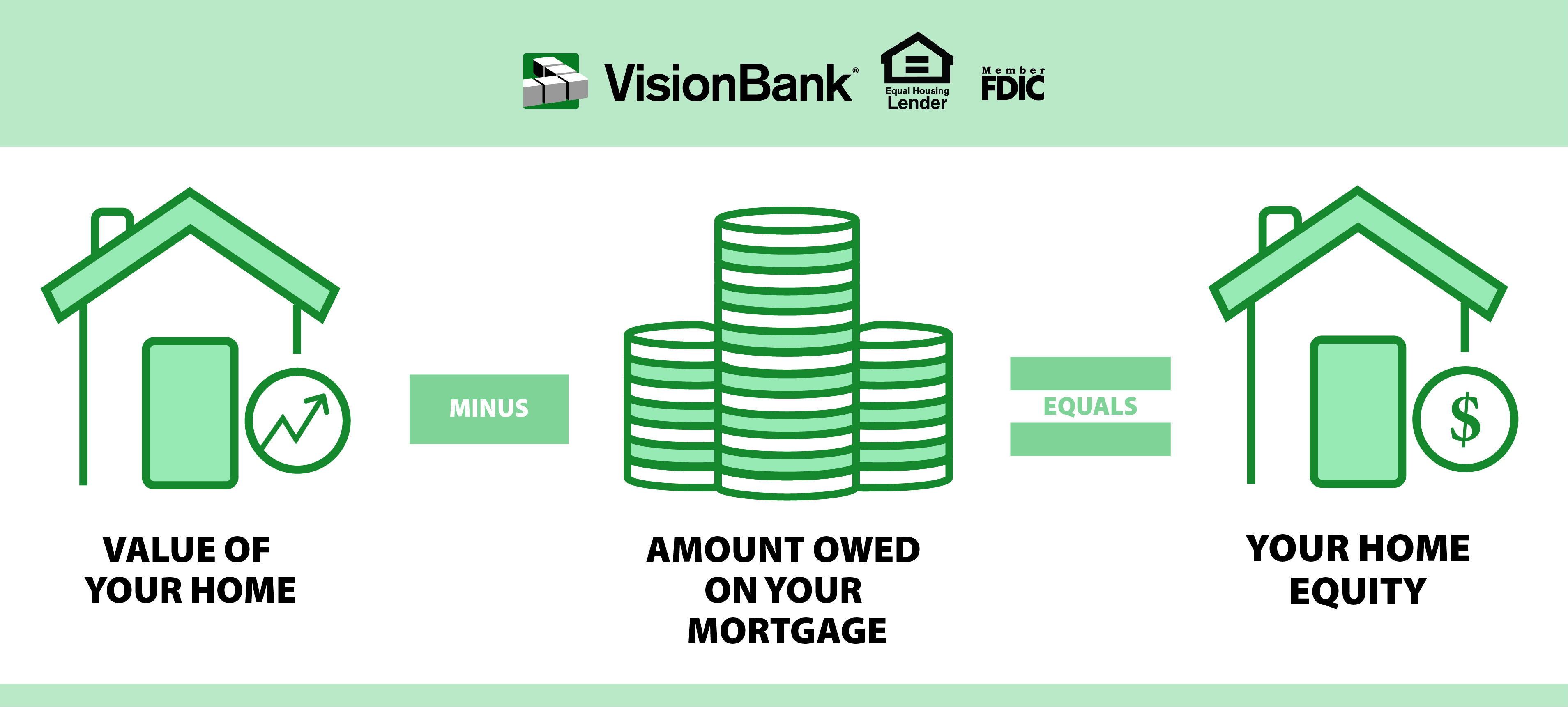
Homeowners can build equity as they repay mortgage principal and if the property gains value. That is a real advantage of ownership, but equity is not the same as cash in a bank account. Accessing it usually requires selling, refinancing, or borrowing against the home, all of which can involve costs and risks.
Renters do not build property equity through rent payments, but they may have more money available for savings, retirement accounts, debt reduction, education, a business, or other goals if renting is materially cheaper. Whether that tradeoff works in practice depends on whether the renter actually saves or invests the difference.
For a low-income household, the best measure of progress is not simply “Do I own a home?” It is whether housing is stable, bills are manageable, emergencies are survivable, and long-term savings are moving in the right direction.
Five Numbers to Calculate Before You Decide
- Cash needed to move in: deposits and moving costs for renting; down payment, closing costs, and moving costs for buying.
- True monthly housing cost: include every recurring fee, not just rent or mortgage principal and interest.
- Emergency savings left afterward: measure the cushion remaining after move-in.
- Expected time in the home: be realistic about work, family, and lifestyle changes.
- Monthly margin: subtract housing, debt, food, transportation, healthcare, utilities, and savings from take-home income. A decision that leaves no margin is vulnerable to even a small surprise.
Frequently Asked Questions
Is renting always cheaper than buying?
No. The result depends on local rent, home prices, mortgage terms, taxes, insurance, maintenance, and how long you stay. Compare the full cost of both options in your specific market.
Is renting “wasting money”?
No. Rent pays for housing, maintenance responsibility carried by the owner, and flexibility. Buying can build equity, but owners also pay costs that do not directly create equity, such as insurance, taxes, interest, and many repairs.
How much should I spend on housing?
There is no single percentage that works for every household. Build a complete budget and leave room for debt payments, food, transportation, healthcare, utilities, savings, and irregular expenses. A lender’s maximum approval amount is not the same as your comfortable budget.
Should I wait for mortgage rates to fall?
No one can reliably predict future rates. A safer approach is to buy only when the current payment and terms work for you. If rates later improve, refinancing may be an option, but it is not guaranteed and can involve costs.
Can a low-income household buy a home?
Yes, some low- and moderate-income households become homeowners through affordable mortgage products, down-payment programs, USDA options in eligible rural areas, or other assistance. Eligibility varies. Start with a HUD-approved housing counseling agency if you want personalized, program-specific guidance.
Final Checklist Before You Choose
- Compare total monthly costs, not only rent versus mortgage.
- Confirm how much cash you will have left after moving.
- Use current lender, tax, insurance, and rental quotes.
- Consider how likely you are to move within the next several years.
- Budget for repairs if buying and renewal increases if renting.
- Verify rental listings before sending money.
- Get independent housing counseling if the decision is difficult or assistance programs may apply.
Conclusion
The more affordable choice in 2026 is the one that fits your real financial life, not the one that sounds more impressive. Renting can be the stronger option when you need flexibility, lower upfront costs, or time to build savings. Buying can be a sound long-term choice when your income is stable, you have adequate reserves, the all-in payment is comfortable, and you expect to stay.
Run the numbers with conservative assumptions, protect your emergency fund, compare actual local offers, and avoid treating future home-price growth or future refinancing as guaranteed. A housing decision should improve your stability—not make every other part of your budget harder to manage.